






In the world of medical technology, documentation is not merely a customer service tool—it is a critical component of patient safety and regulatory compliance. Unlike consumer electronics or household appliances, medical device manuals are subject to some of the most stringent standards in the manufacturing world. A simple omission or ambiguous phrase can lead to misuse, patient harm, and significant legal liability for the manufacturer. Understanding the specific requirements for these documents is essential for any company operating in the healthcare space.
The Highest Level of Regulatory Compliance
Medical device manuals must comply with the regulations of every jurisdiction where the device is sold. In the United States, this means adherence to Food and Drug Administration (FDA) requirements, specifically 21 CFR Part 801, which governs labeling. In Europe, compliance with the Medical Device Regulation (MDR) 2017/745 is mandatory. These regulations dictate not only what information must be included, but also how it must be presented, ensuring consistency and clarity across all user manuals in the healthcare sector.
Clear Instructions for Use (IFU)
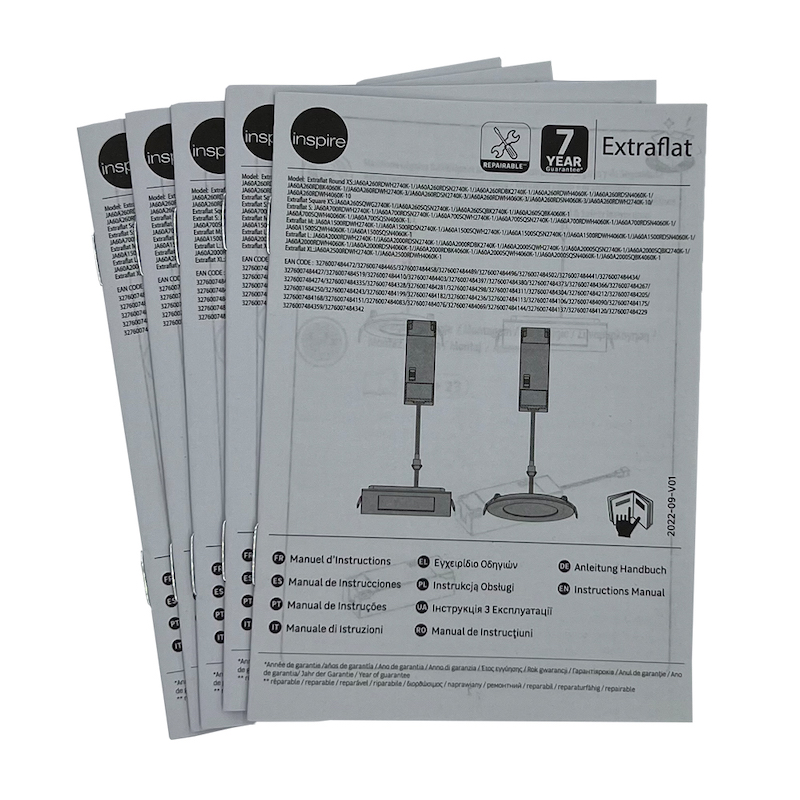
The core of any medical device documentation is the Instructions for Use (IFU). This section must provide unambiguous, step-by-step guidance on how to operate the device safely and effectively. Unlike general install instructions for consumer goods, medical IFUs must account for a wide range of user skill levels, from trained surgeons to patients using the device at home. Every action must be described in precise language, often accompanied by clear diagrams or photographs to eliminate guesswork. The IFU is considered a legally binding document and must be maintained for the entire lifecycle of the device .
Sterile Handling Procedures
For devices that are sold sterile, the installation guide must include detailed instructions on maintaining sterility. This includes:
How to inspect the sterile packaging for damage before opening.
Proper techniques for presenting the sterile device to the sterile field.
Instructions for resterilization if the device is designed for multiple uses.
Disposal procedures for single-use devices after patient contact.
Failure to clearly communicate these procedures can result in life-threatening infections, making this section one of the most critical in any instruction manual for medical products.
Comprehensive Contraindications and Warnings
Medical device manuals must clearly state who should not use the device and under what circumstances. Contraindications are specific situations where the device should not be used because the risk outweighs any potential benefit. For example, a particular implant may be contraindicated for patients with certain allergies or bone densities.
Additionally, warnings must be prominently displayed using standardized signal words—DANGER, WARNING, CAUTION—as defined by ANSI Z535 or ISO 15223 standards. These warnings must address potential adverse events, drug interactions, and environmental restrictions. The layout of user manuals must ensure these safety messages cannot be overlooked by the reader.
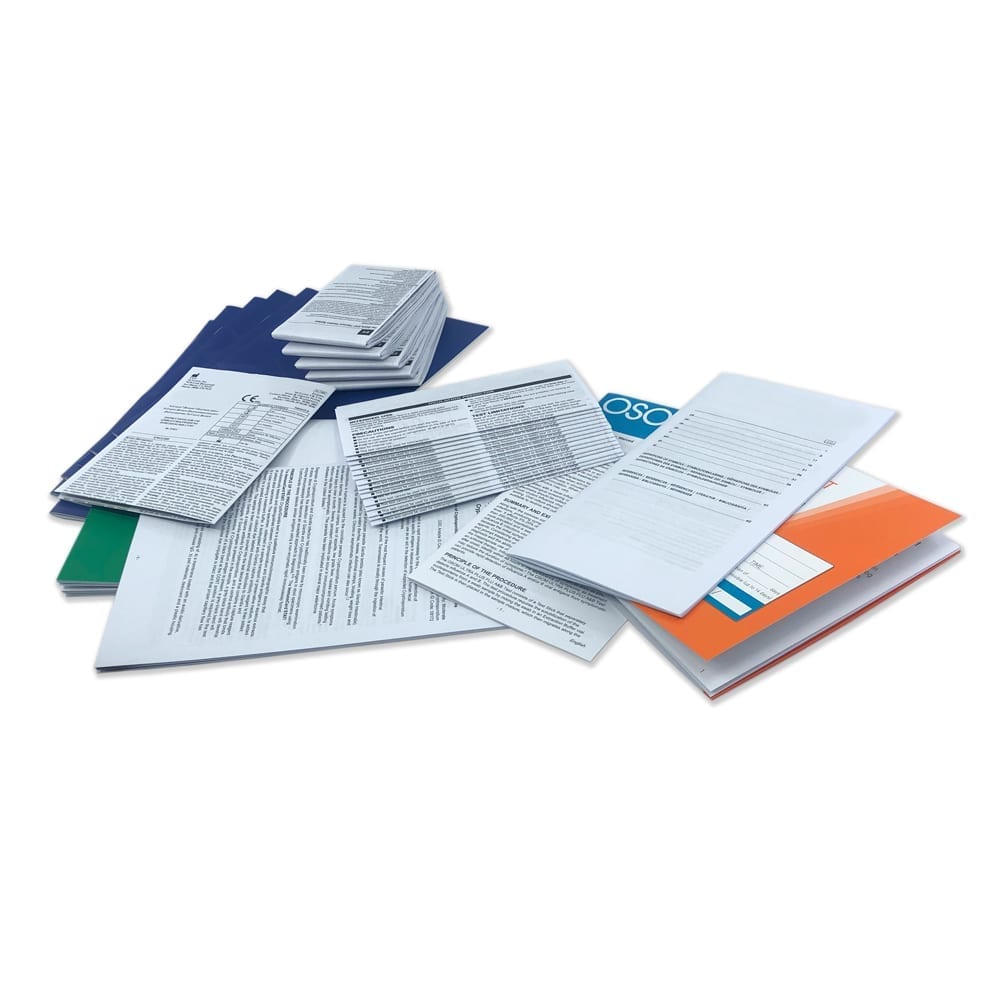
medical device manuals

medical device manuals

instruction manual

instruction manual
Adverse Effect Reporting Instructions
A unique requirement for medical device manuals is the inclusion of adverse effect reporting procedures. Users must be informed how to report any unexpected complications or malfunctions to both the manufacturer and relevant regulatory bodies (such as the FDA's MedWatch program). This post-market surveillance requirement ensures that regulators can track device performance across the entire population and take action if safety issues emerge.
Inclusion with Every Device
Unlike some consumer products where a QR code linking to a website may suffice, medical devices almost always require physical documentation to accompany each unit. Regulations typically mandate that the install instructions or IFU be included inside the packaging of every single device. This ensures that even in emergency situations, the user has immediate access to critical safety and usage information without relying on an internet connection or digital device. For implantable devices, this requirement extends to providing patient-specific information that the recipient can keep for future reference .
Language and Accessibility Requirements
Medical device manuals must be provided in the official language(s) of the country where the device is sold. For example, devices sold in Canada require both English and French. The text must be written at an appropriate reading level for the intended user. For patient-use devices, this often means avoiding complex medical jargon and using plain language that non-professionals can understand. Some regulators also require formats accessible to visually impaired users, such as large-print versions or audio formats.
Creating compliant medical device manuals is a complex, highly regulated process that requires specialized expertise. From FDA requirements and sterile handling procedures to contraindications and adverse event reporting, every element must be carefully crafted to ensure patient safety and regulatory approval. By treating the instruction manual as a critical safety device in its own right, manufacturers protect both their users and their business. Whether you are developing a simple diagnostic tool or a complex surgical system, investing in professionally developed user manuals is not optional—it is an absolute necessity.
