

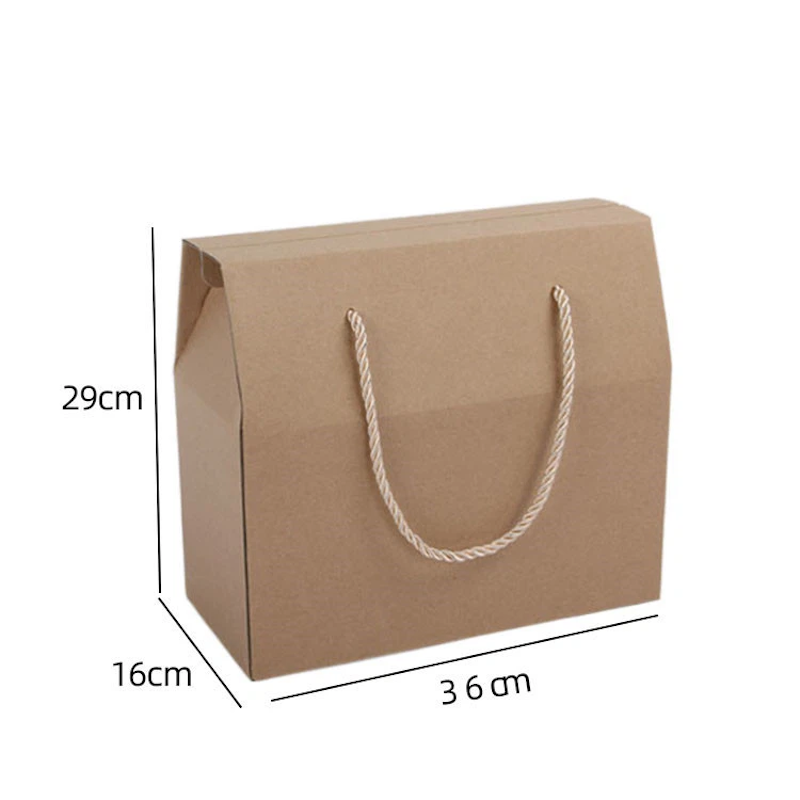


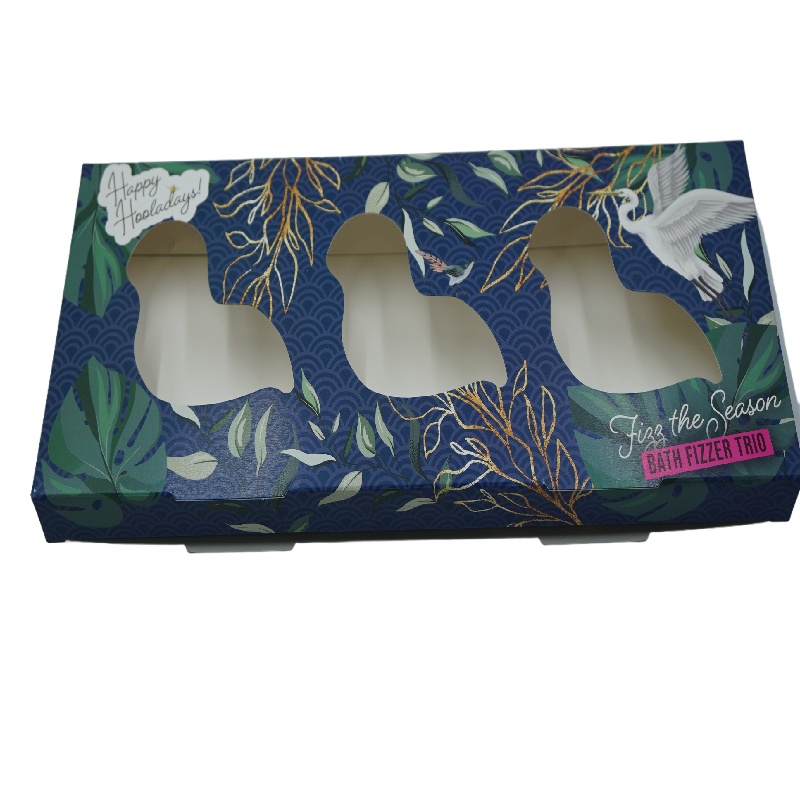
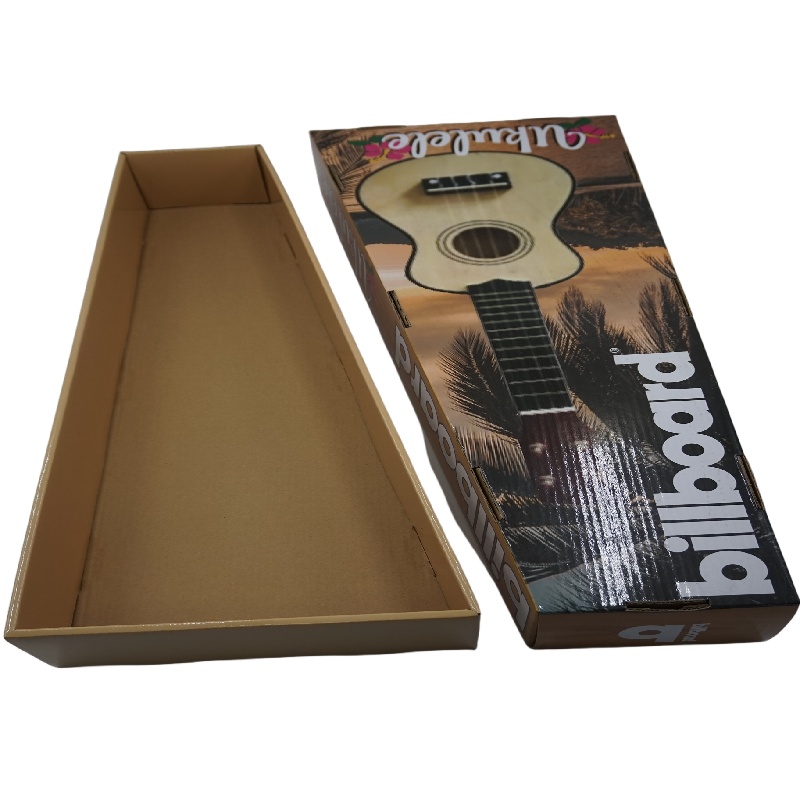
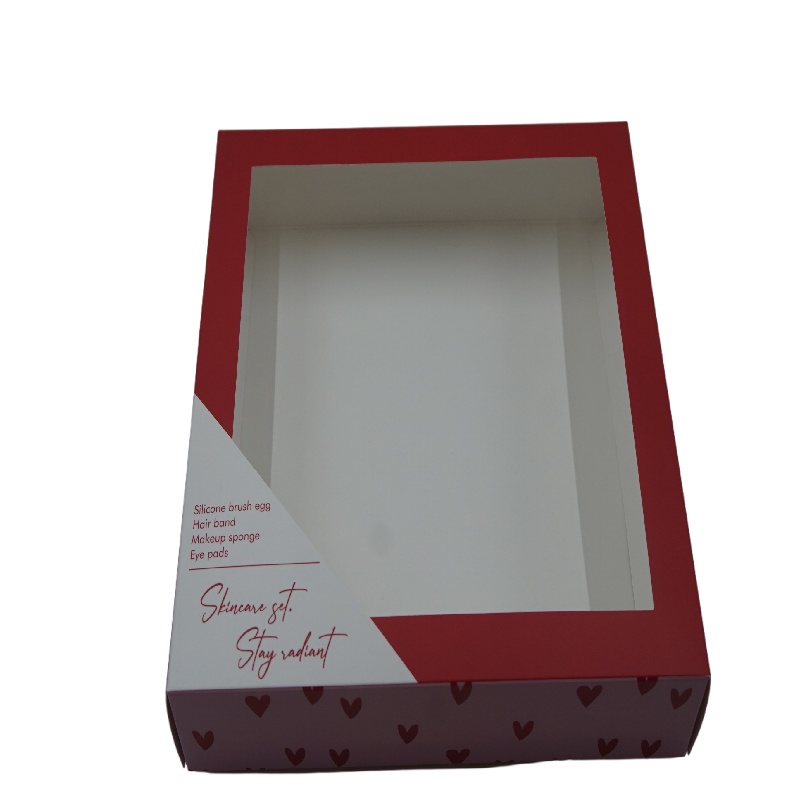
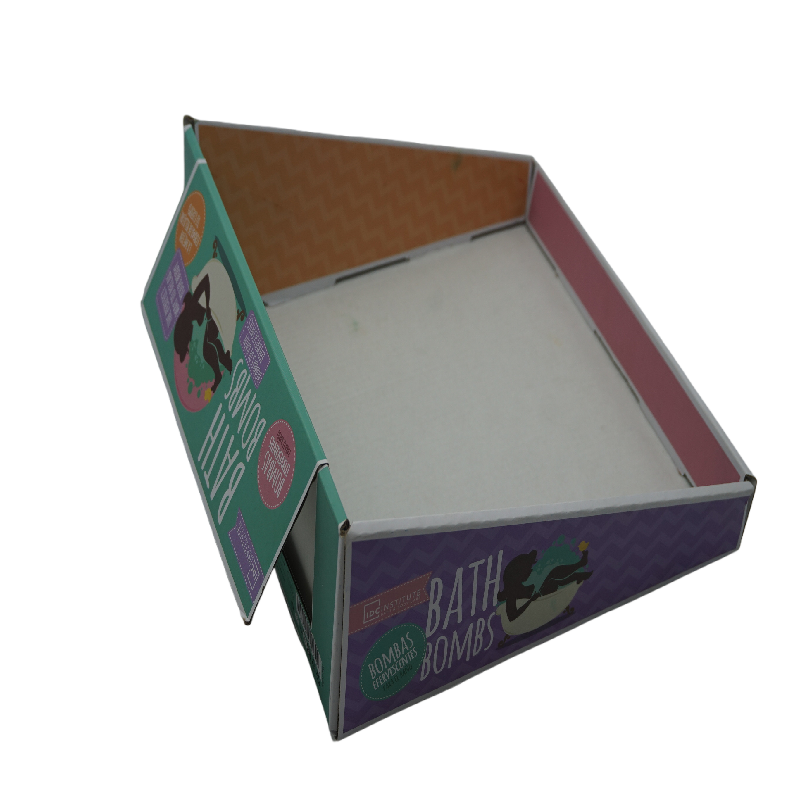

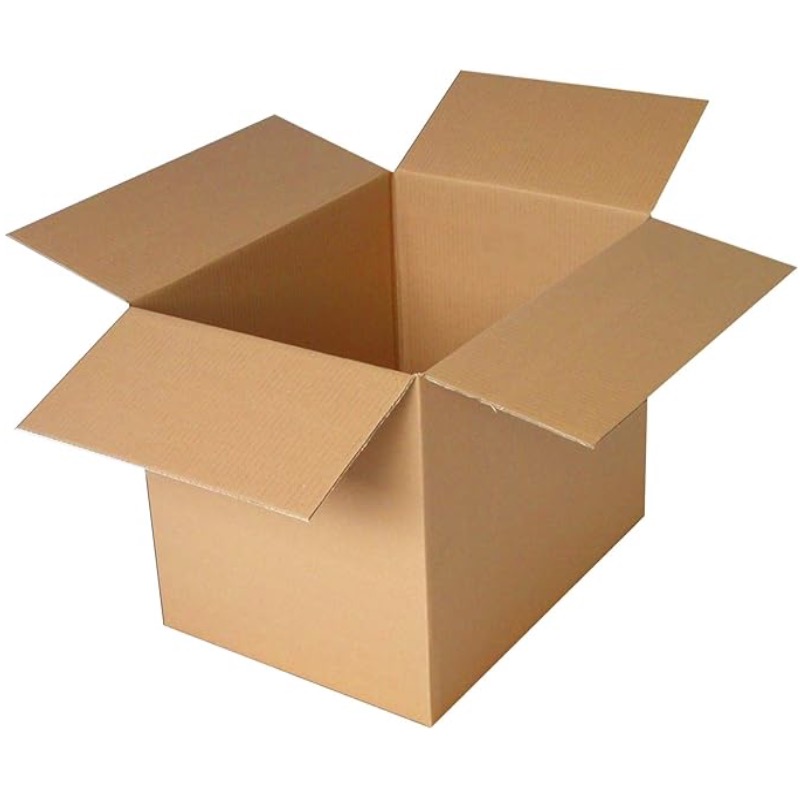

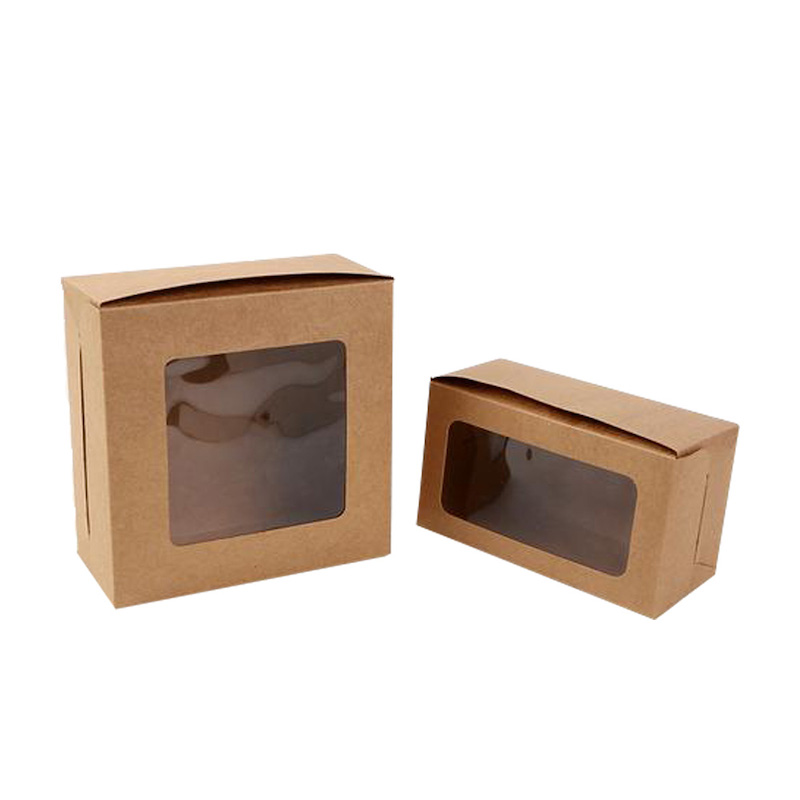
When selecting packaging for heavy or delicate goods, the flute type of corrugated cardboard boxes is the primary determinant of stacking strength. While many assume that thicker material always means better support, the engineering behind A, B, and C flutes reveals distinct load-bearing profiles. Understanding these differences ensures that your corrugated boxes perform optimally under compression, reducing damage and returns.
1. Flute Geometry and Arch Physics
Each flute type is defined by its height and the number of flutes per linear foot. The arch shape is the secret to vertical strength.
A-flute (36 flutes/ft, height ~4.7mm) offers the highest cushioning due to its tall arches, but its load-bearing capacity per square inch is moderate because the tall peaks are prone to buckling under concentrated weight.
C-flute (41 flutes/ft, height ~4.0mm) strikes a balance, with a slightly lower arch that increases the flattening resistance. This makes cardboard boxes with C-flute the industry standard for shipping heavy items like canned goods or machinery parts.
B-flute (50 flutes/ft, height ~2.5mm) has the lowest profile and the most compact arches. While it provides the least shock absorption, it offers the highest top-to-bottom compression strength relative to its thickness.
2. Load Bearing: Dynamic vs. Static Compression
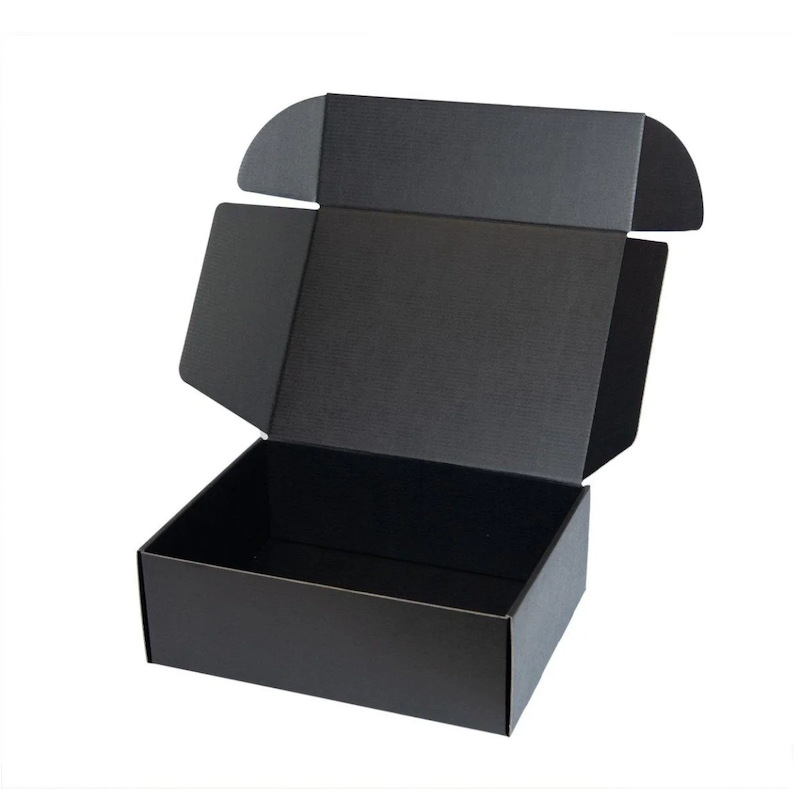
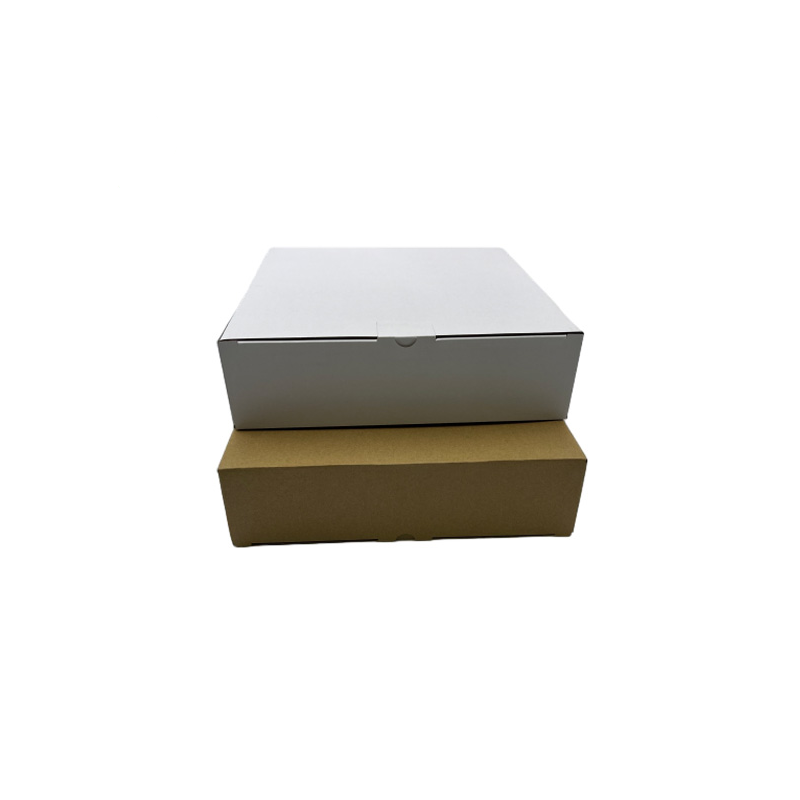
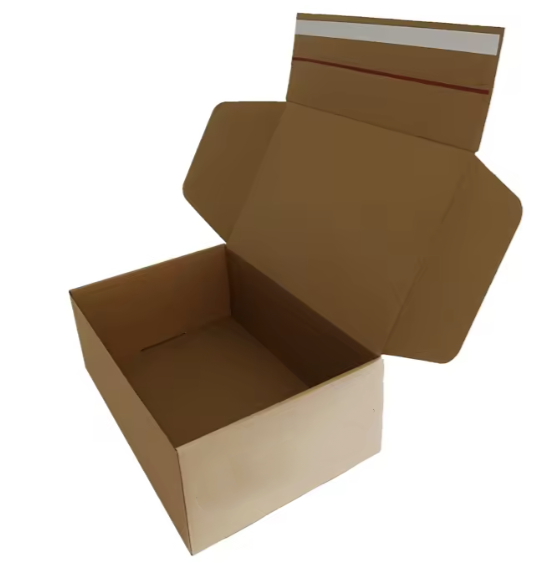
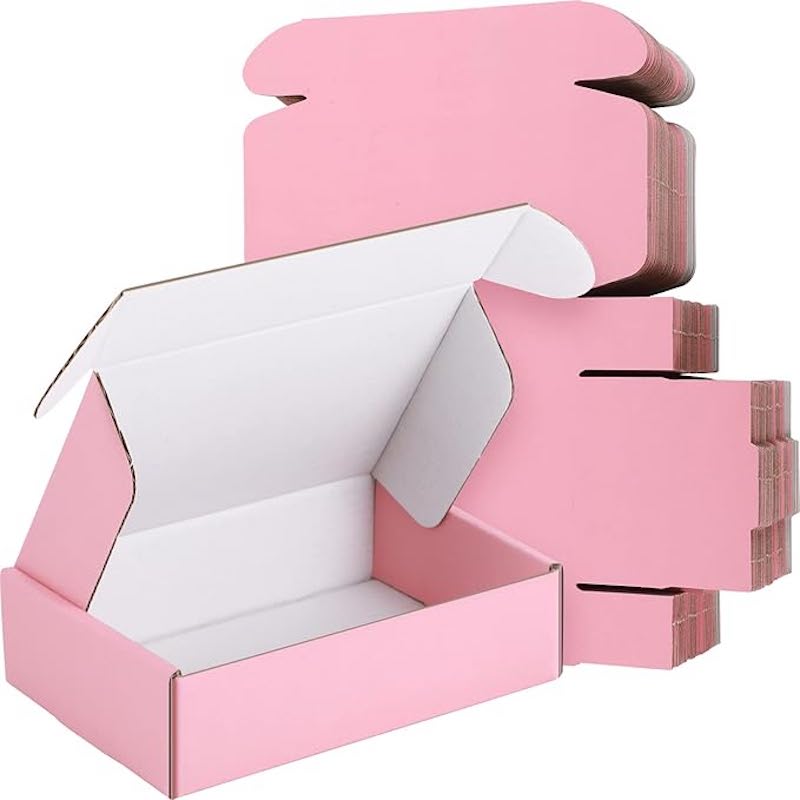
The performance of corrugated mailer boxes under load depends on whether the force is static (stacked pallets) or dynamic (conveyor belts).
A-flute excels in dynamic compression because the tall flutes absorb vibration, protecting fragile contents. However, under sustained static load, the arches degrade faster, losing up to 20% of their initial strength within weeks.
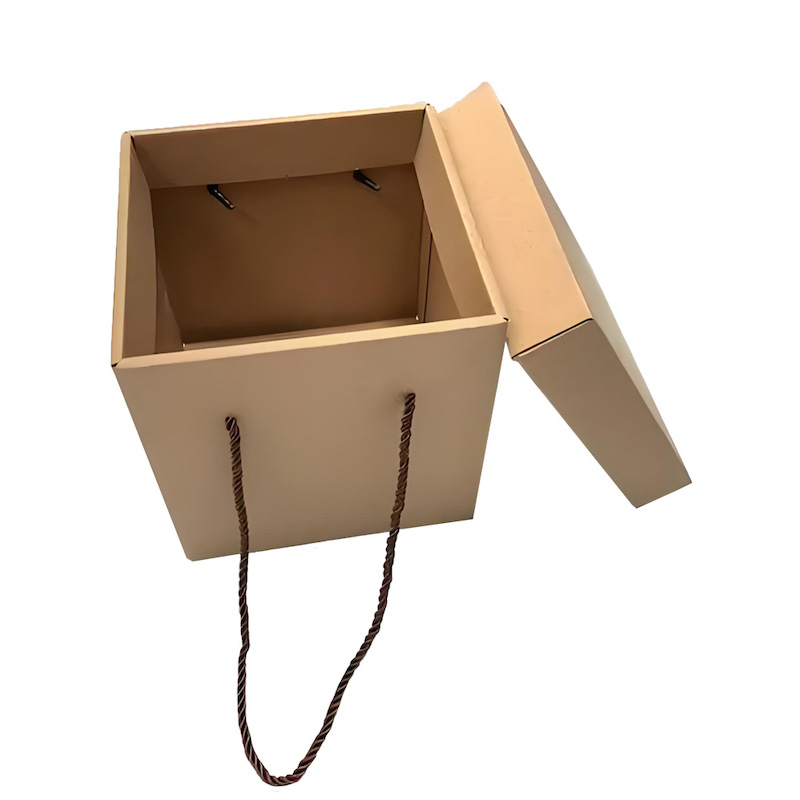
C-flute demonstrates superior static load-bearing properties. The medium arch height provides a stable column structure, allowing cardboard shipping boxes to withstand warehouse stacking for months without visible sagging. For e-commerce, C-flute is preferred when boxes are stacked 6-8 high.
B-flute delivers exceptional puncture and crush resistance on flat surfaces. It does not bend under pressure, making it ideal for die-cut corrugated cardboard boxes that require tight automation lines, but its short arch offers minimal vertical elasticity.
3. Practical Applications Based on Load Weight
Selecting the wrong flute can collapse an entire pallet.
For loads under 10 kg (e.g., light electronics), corrugated boxes with B-flute are sufficient, as their flat surface resists creasing from strapping bands.
For loads between 10-25 kg, cardboard boxes with C-flute reduce compression deflection by 35% compared to A-flute, ensuring that the bottom boxes support the upper tiers without distortion.
For loads exceeding 25 kg or with point-loaded items (e.g., metal tools), triple-wall combinations are used, but within single-wall structures, C-flute is the undisputed champion. A-flute is seldom recommended for heavy stacks because its height introduces instability in lateral forces.
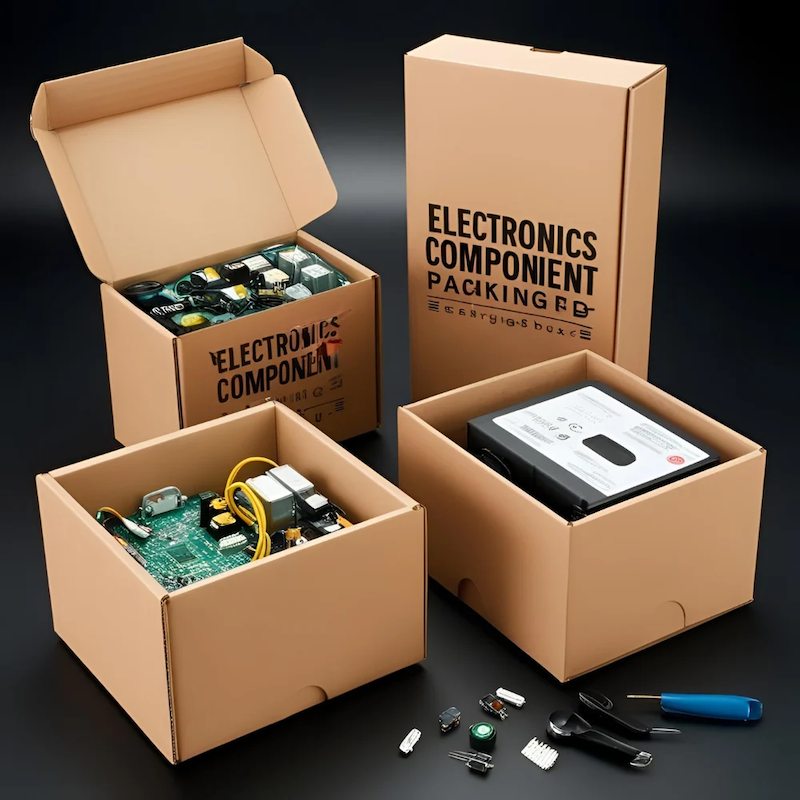
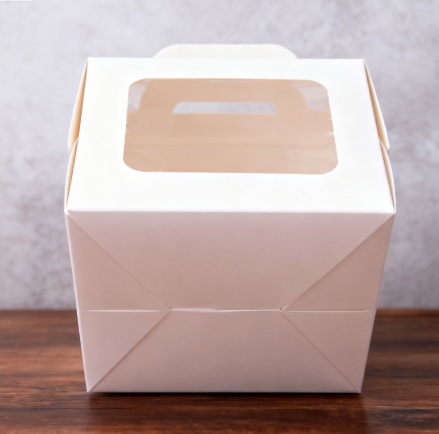
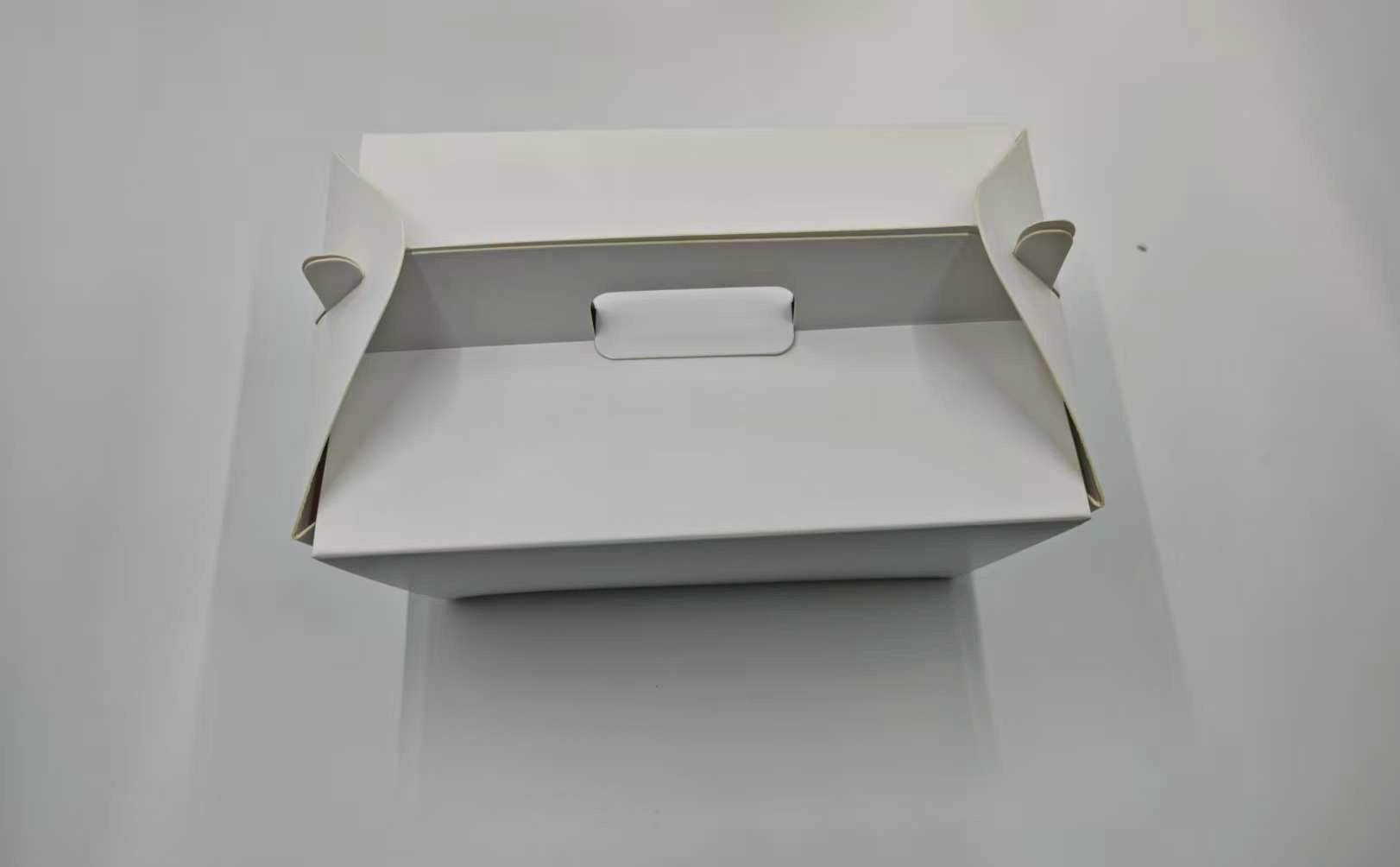
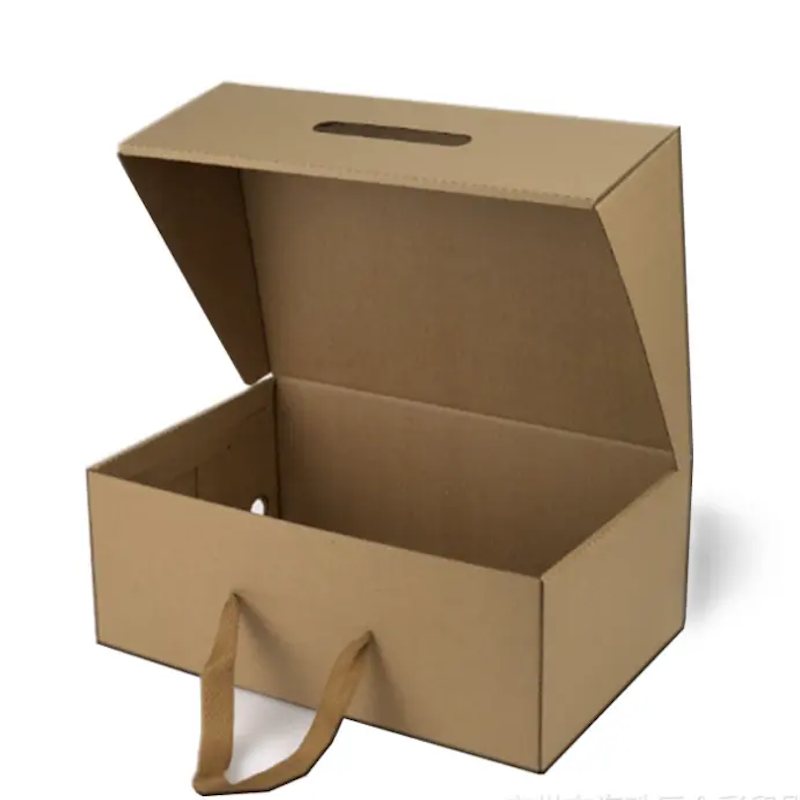
corrugated mailer boxes
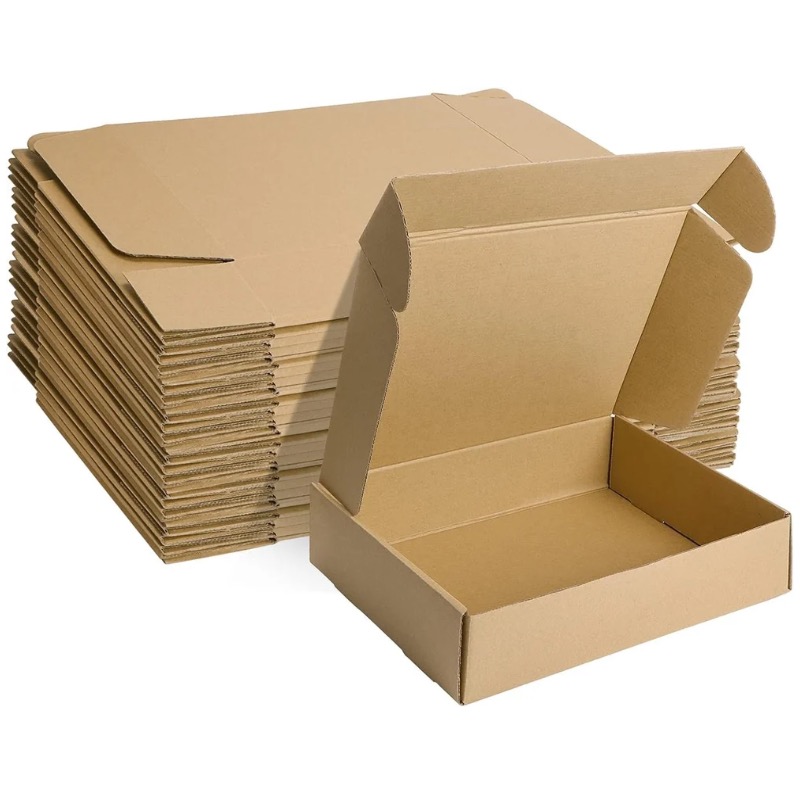
cardboard shipping boxes
corrugated boxes
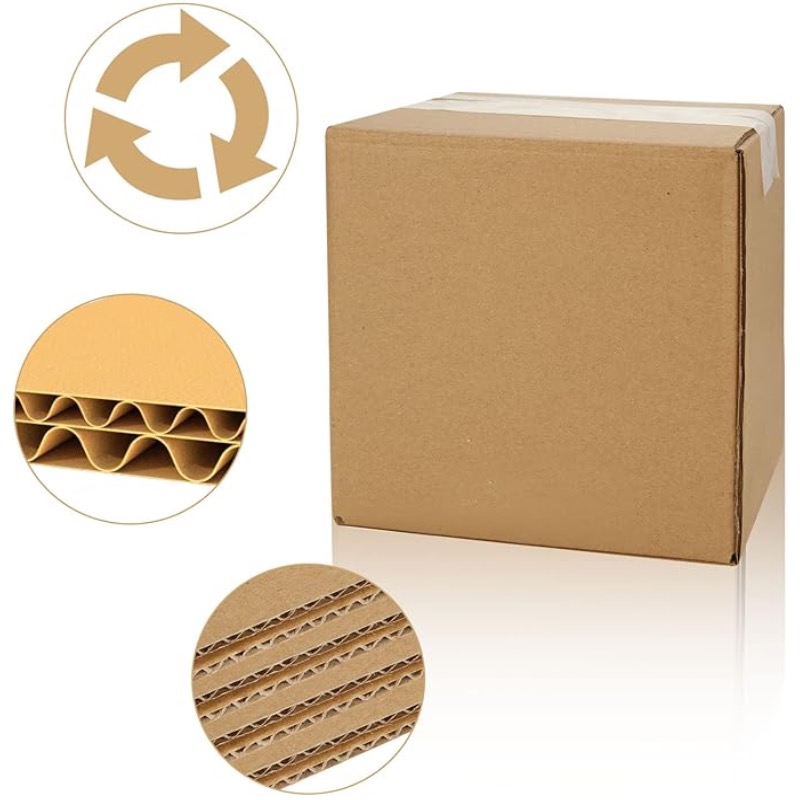
corrugated mailer boxes
4. The Edge Crush Test (ECT) and Flute Synergy
Industry data reveals that C-flute consistently achieves an ECT rating of 38-42 lbs/in, while B-flute scores 40-45 lbs/in, and A-flute scores only 32-36 lbs/in. Surprisingly, B-flute outperforms C-flute in ECT, yet corrugated mailer boxes with B-flute fail more often in real-world warehouses. Why? Because load bearing is not solely about edge compression – it is about panel rigidity. C-flute’s thicker medium prevents the board from bowing outward, maintaining a uniform column effect. When designing cardboard shipping boxes, always prioritize box perimeter support; C-flute provides the best synergy between the linerboards and the medium.
5. Moisture and Fatigue Resistance
Load bearing degrades significantly with humidity. A-flute’s tall arches absorb moisture rapidly, losing 50% of their strength at 80% RH, whereas B-flute’s dense structure retains 70% of its dry strength. However, for short-term transit (under 72 hours), corrugated cardboard boxes with C-flute offer a balanced solution – they resist humidity better than A-flute and distribute point loads more evenly than B-flute. For long-term storage, C-flute is preferred because its moderate arch recovers shape after minor impacts, maintaining consistent load distribution across the stack.
6. Final Verdict for Packaging Engineers
If your primary concern is stacking multiple heavy layers, choose C-flute for its superior overall compression and stability. If automation and puncture resistance are critical, B-flute is adequate for lightweight goods. Avoid A-flute for load-bearing purposes unless you need exceptional cushioning for fragile items with low stacking heights. Always validate your choice through a compression test on the final filled box.
Professional OEM & ODM Packaging Partner
XIAMEN XINLIHONG PAPER CO.,LTD. is a professional color printing manufacturer, mainly engaged in paper packaging such as corrugated boxes、card boxes、lid and base boxes、instruction manual、 folding box、gift boxes、food packaging box、paper bags、envelope bags etc. Focusing on the development, design and production of paper packaging printing products as the core, it provides a full range of professional OEM & ODM packaging solutions for customers in the lighting, electronics, daily chemicals, food packaging and other industries.
