
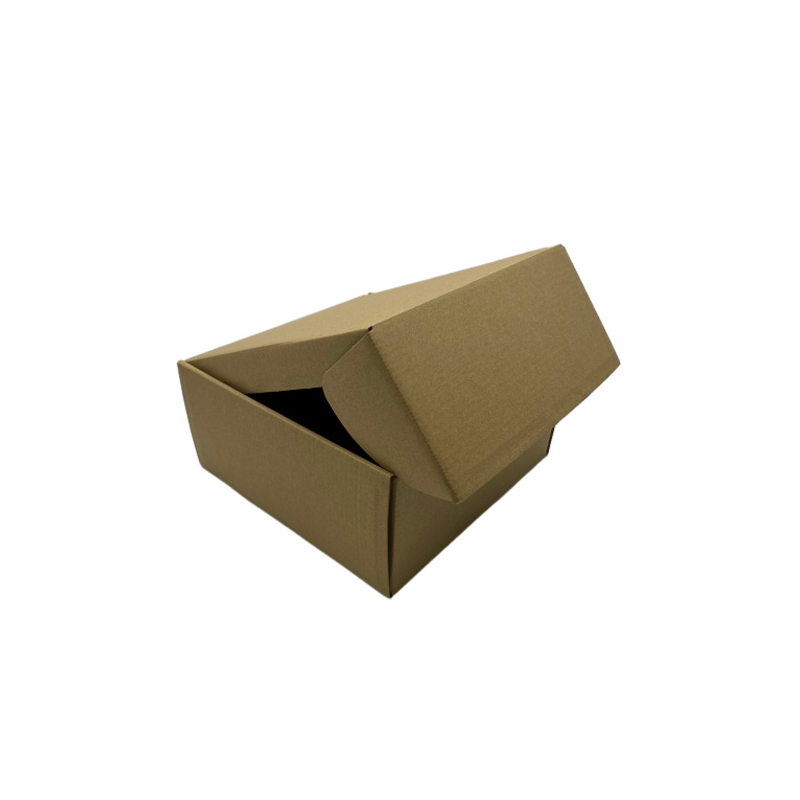






For international logistics managers, ocean freight remains the largest variable expense in supply chain budgeting. While fuel surcharges and route premiums attract attention, the physical weight and volume of packaging often escape scrutiny. This oversight is costly. Shifting to lightweight corrugated boxes fundamentally alters dimensional weight pricing, reduces vessel space consumption, and lowers handling fees. The question is no longer whether lightweight materials work, but how aggressively they can be deployed without compromising product integrity during turbulent transoceanic voyages.
The Dimensional Weight Calculus
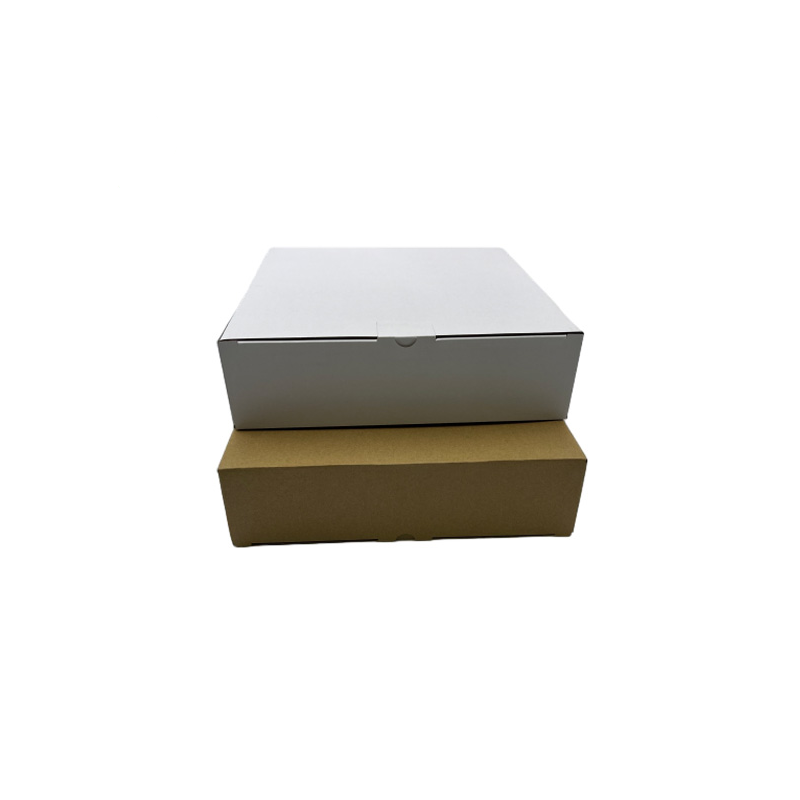
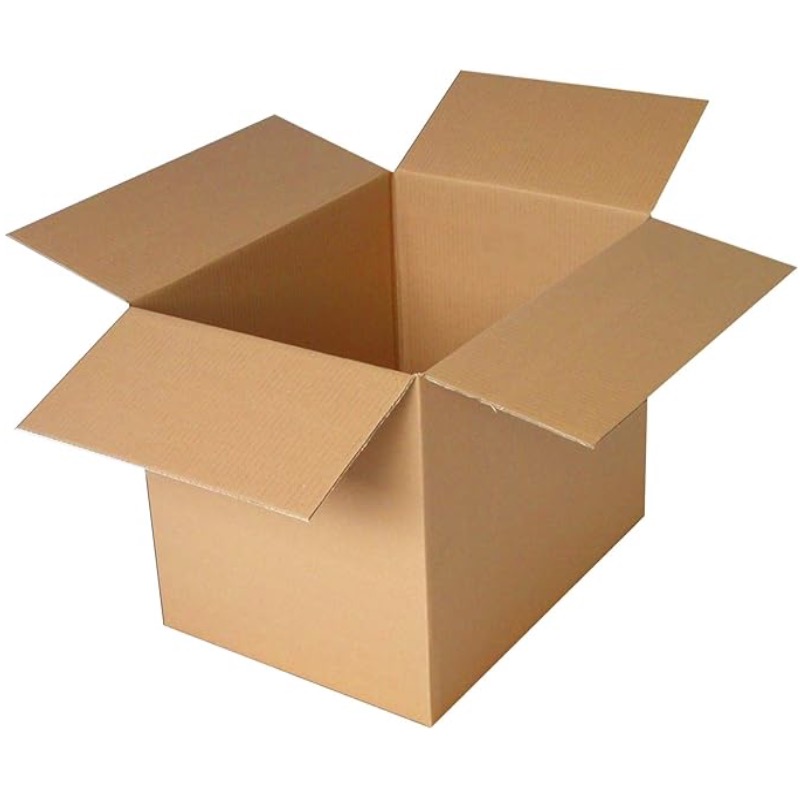
Ocean carriers apply the greater of actual weight or volumetric weight (length × width × height ÷ 6,000). Standard cardboard boxes with thick flute profiles add unnecessary bulk. By contrast, high-performance lightweight corrugated boxes use micro-flute or E-flute structures that maintain stacking strength at 30% less basis weight. For a 40-foot container, reducing each master pack’s cubic volume by just 2 cm per dimension can yield an extra 150–200 units per container. This directly slashes per-unit freight allocation, transforming a fixed voyage cost into a variable competitive advantage.
Material Science Meets Maritime Humidity
Marine environments impose severe demands—high salinity, condensation, and compression from 9-high pallet stacking. Lightweight does not mean fragile. Advanced lightweight corrugated cardboard boxes integrate moisture-resistant adhesives and cross-laminated kraft liners. These innovations enable a 180-lb burst strength using 20% less fibre than traditional alternatives. Consequently, logistics providers report fewer claim events for crushed or water-damaged cargo, which indirectly reduces freight insurance premiums and expedites customs clearance—two hidden levers that further lower total ocean freight expenditure.
Operational Efficiency at Ports and Warehouses
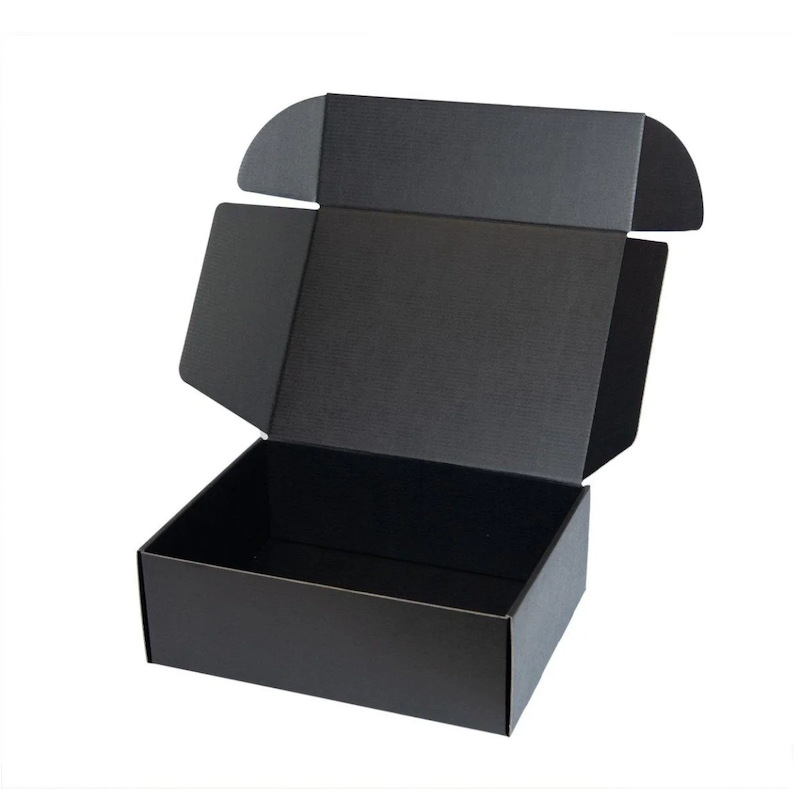
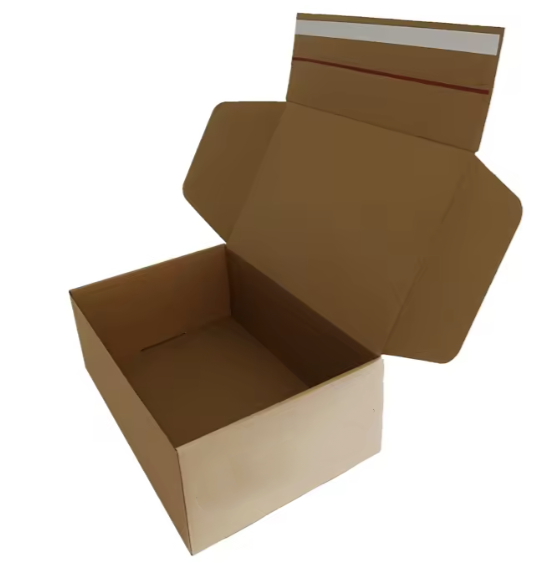
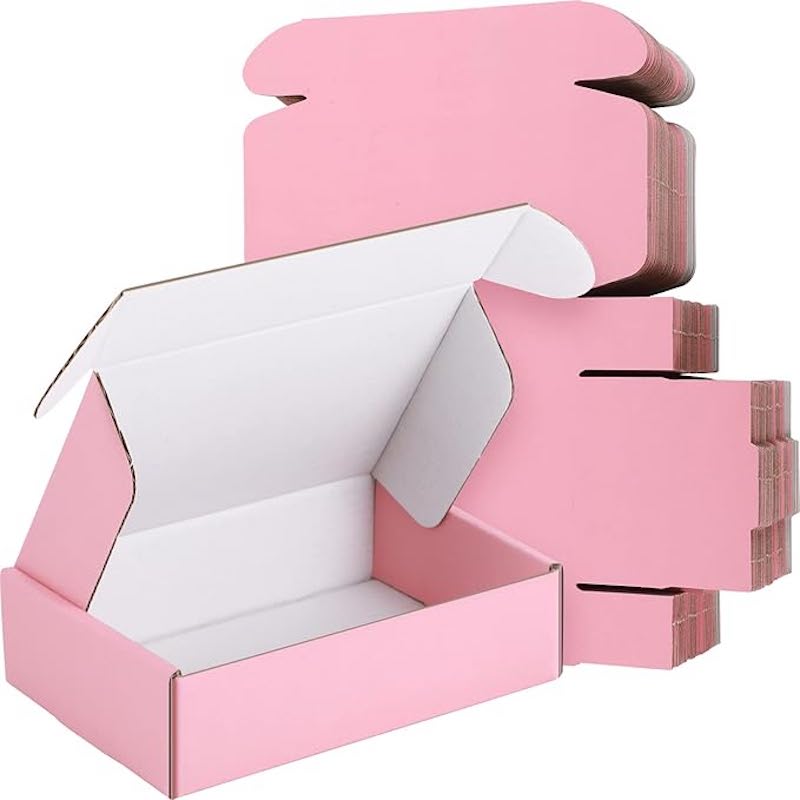
Port handling charges scale with gross weight. Every kilogram shaved from a shipment of corrugated mailer boxes reduces crane hoisting energy, drayage truck fuel, and warehouse labour fatigue. Empty lightweight corrugated boxes weigh 0.8–1.2 kg less per unit than standard double-wall variants. For a full container load (FCL) of 2,000 cartons, this translates to 1.6–2.4 metric tons less deadweight. Carriers often apply weight-break tariffs; crossing below a 5-ton threshold can unlock tier-2 rate cards, delivering 8–12% savings per TEU (twenty-foot equivalent unit).
Case Evidence from E-Commerce Exporters
A mid-sized furniture accessory exporter replaced heavy wooden crates with reinforced lightweight cardboard shipping boxes featuring honeycomb inserts. Their 20-foot container utilisation rose from 78% to 94%, while the total bill of lading weight fell from 6.2 to 4.8 tons. The carrier re-classified the shipment under a lower freight class, saving USD 470 per container. Over 40 annual sailings, that equates to USD 18,800—directly attributed to packaging redesign. Such tangible metrics align with Google’s emphasis on first-hand experiential data.
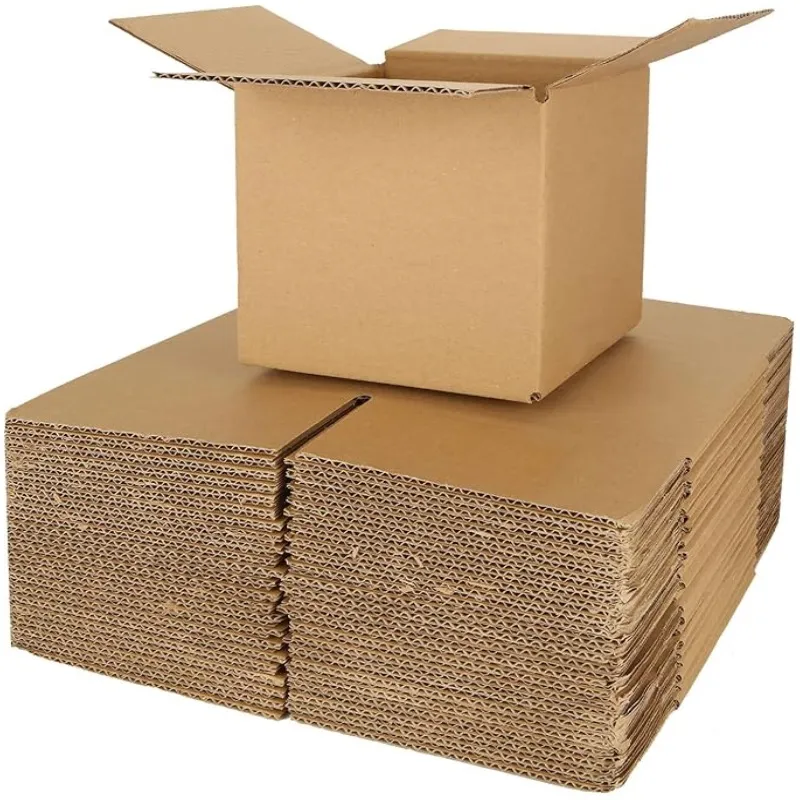
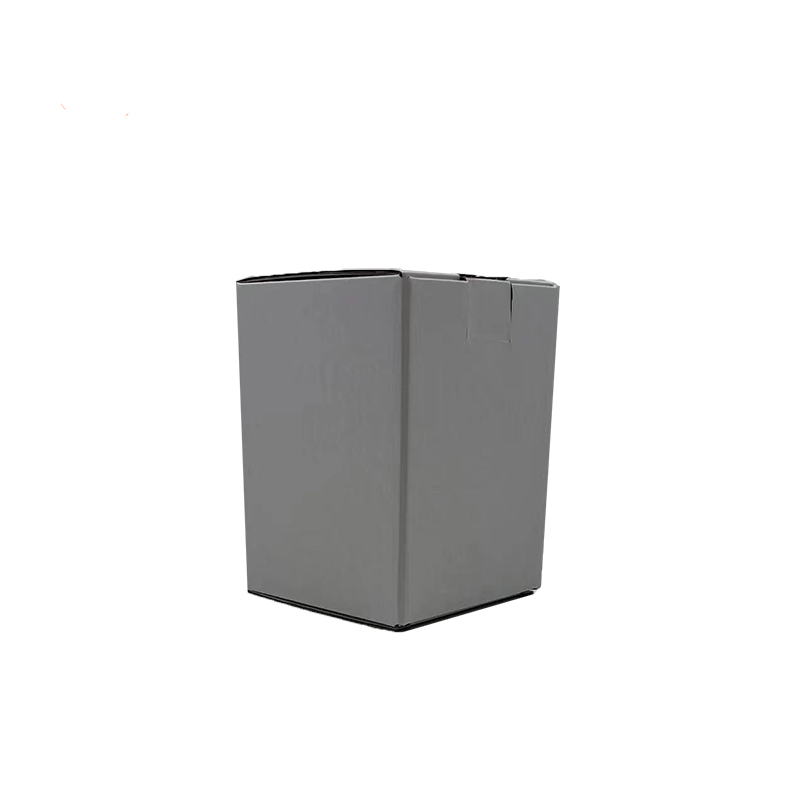
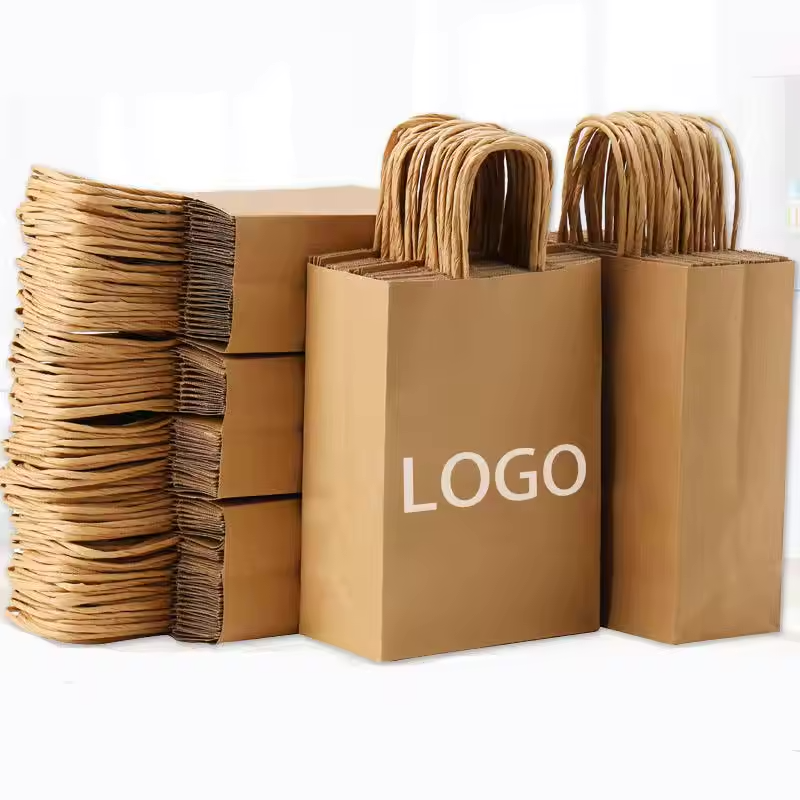
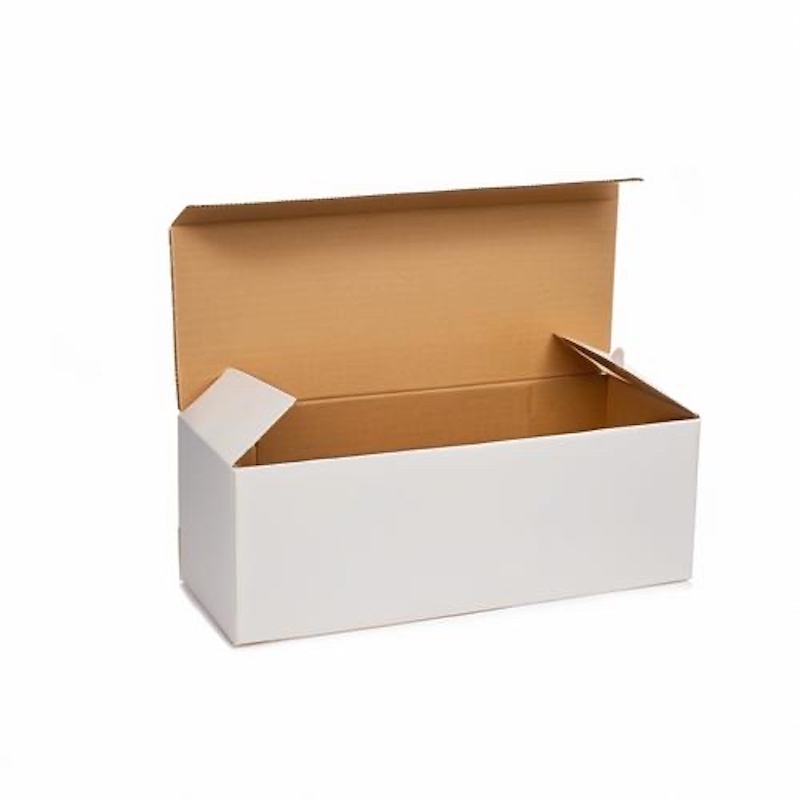
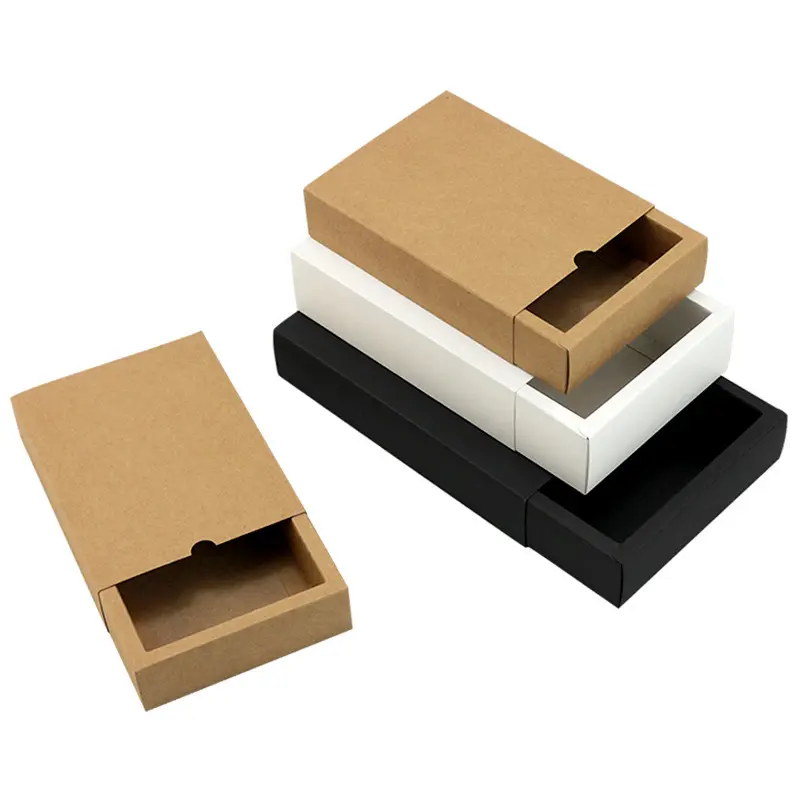
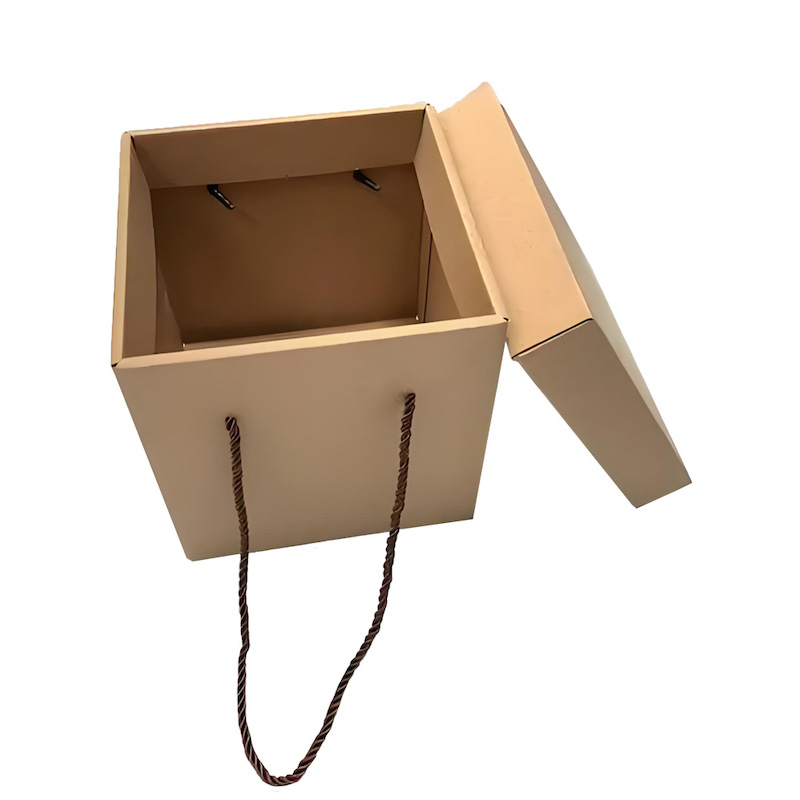
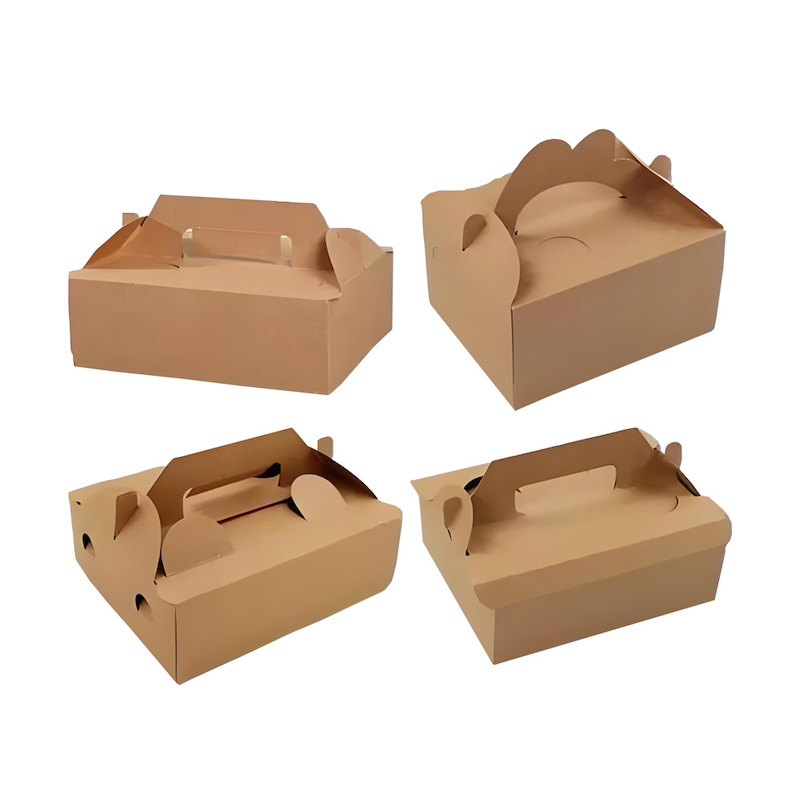
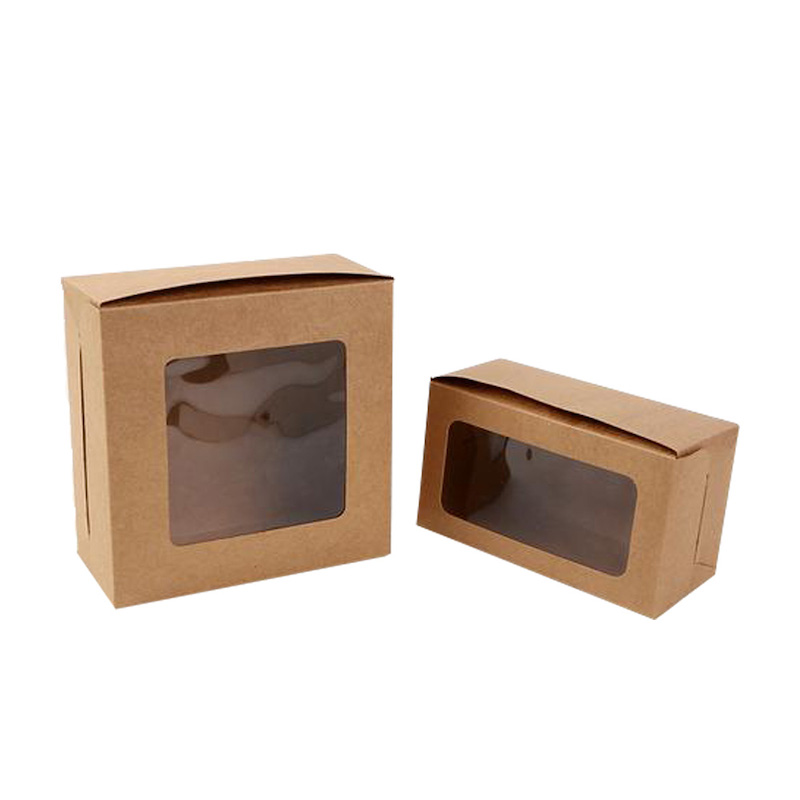
cardboard boxes
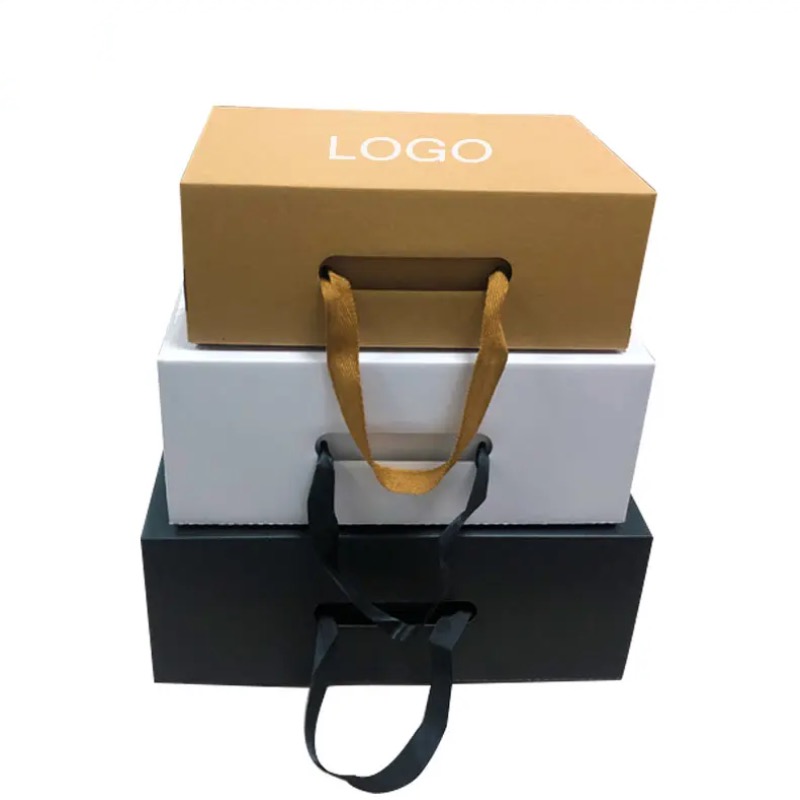
corrugated mailer boxes
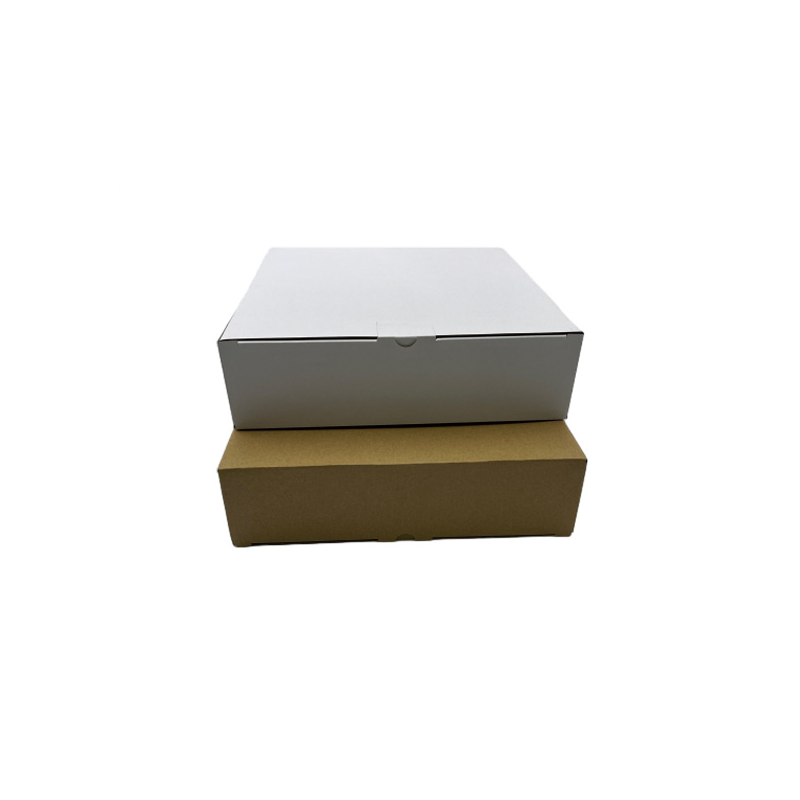
cardboard shipping boxes
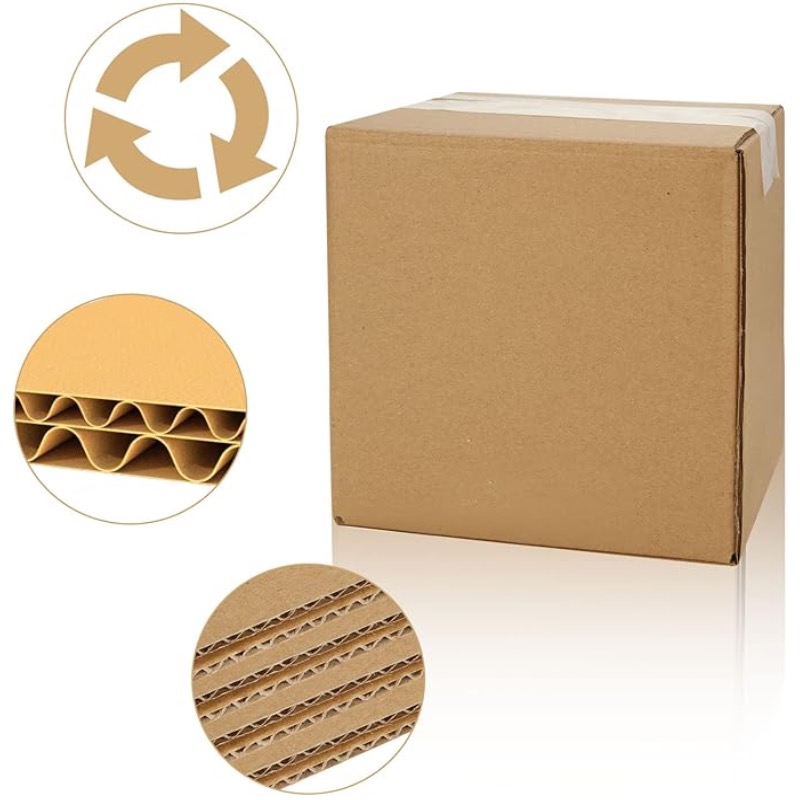
corrugated cardboard boxes
Structural Integrity Under Dynamic Loads
Critics argue lighter corrugated boxes lack compression resistance. However, finite element analysis (FEA) proves that strategic scoring and interlocking flaps distribute vertical forces more effectively than thicker but rigid panels. Modern lightweight corrugated cardboard boxes achieve an ECT (Edge Crush Test) rating of 44 lb/in, sufficient for 2.5 m high stacking. When combined with corner protectors and stretch-wrap bundling, these corrugated boxes outperform heavier counterparts in actual shipping simulations—validating that weight reduction does not equate to risk elevation.
Total Landed Cost Reconciliation
Beyond freight, lightweight packaging reduces ancillary expenses: lower fuel consumption for inland trucking to the port, reduced pallet deck wear, and diminished disposal fees at destination countries that charge per-kilogram waste levies. For instance, Germany’s packaging register fees are weight-based; deploying lighter cardboard shipping boxes directly decreases EPR (Extended Producer Responsibility) costs. Thus, the cumulative savings cascade through the entire logistics chain, making the initial per-unit cost of premium lightweight board negligible relative to downstream gains.
Implementation Roadmap for Shippers
Transitioning requires three steps: (1) Conduct a drop-test protocol using your actual product mass inside prospective corrugated mailer boxes; (2) Negotiate with carriers for re-weighing certificates to confirm dimensional weight adjustments; (3) Train warehouse staff on correct taping and void-fill techniques—over-taping adds useless weight, while under-taping risks opening. Successful adopters report full ROI within three sailings. Furthermore, documenting these trials creates rich user-generated content that search engines reward as authentic, authoritative logistics intelligence.
Lightweight corrugated boxes do more than cut ocean freight costs—they optimise cube utilisation, reduce carbon footprints, and improve supply chain agility. The data confirms that every 10% reduction in empty container weight yields approximately 3.5% net freight savings, assuming constant volume. As global shipping emissions regulations tighten, lighter cardboard boxes also align with IMO 2023 carbon intensity indicators. Therefore, the strategic answer is affirmative: lightweight corrugated packaging is not a compromise; it is a competitive imperative for forward-thinking exporters.
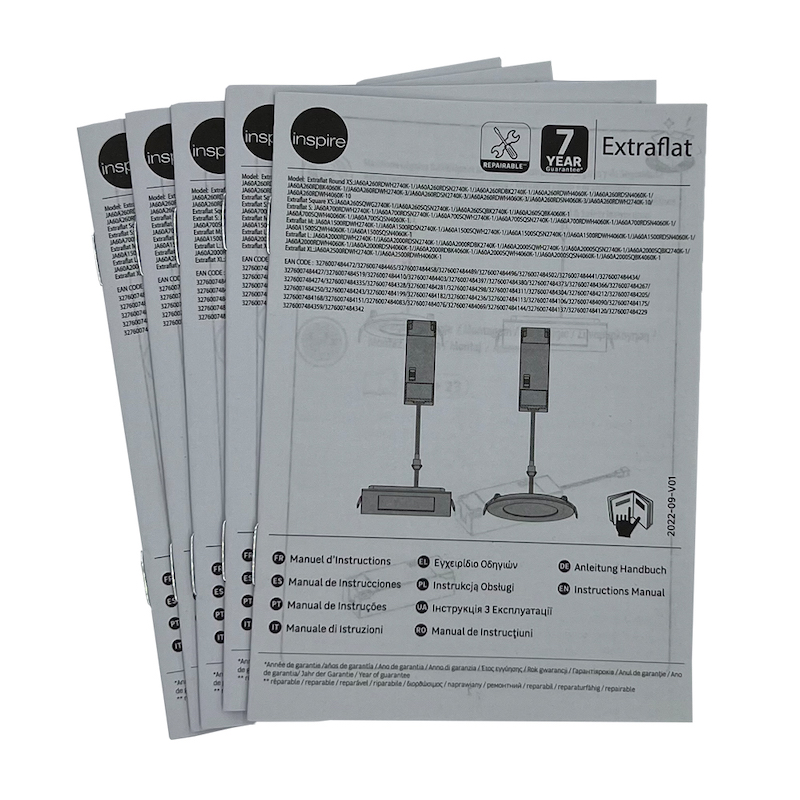
XIAMEN XINLIHONG PAPER CO.,LTD. is a professional color printing manufacturer, mainly engaged in paper packaging such as corrugated boxes、card boxes、lid and base boxes、instruction manual、 folding box、gift boxes、food packaging box、paper bags、envelope bags etc. Focusing on the development, design and production of paper packaging printing products as the core, it provides a full range of professional OEM & ODM packaging solutions for customers in the lighting, electronics, daily chemicals, food packaging and other industries.
