



In an era where digital transformation is reshaping every aspect of business, the question of whether printed materials can coexist with environmental responsibility is more relevant than ever. For companies producing user manuals and product documentation, the environmental impact of paper production and printing is a legitimate concern. However, the answer is not a simple "yes" or "no"—it depends entirely on how those materials are sourced, produced, and designed.
The Foundation of Sustainable Printing
Printed manuals can indeed be environmentally sustainable when produced with intentional, eco-conscious choices. Companies like XIAMEN XINLIHONG PAPER CO.,LTD demonstrate that responsible manufacturing is possible by utilizing key sustainable practices .
FSC-Certified Paper: The Forest Stewardship Council (FSC) certification ensures that paper originates from responsibly managed forests that meet strict environmental, social, and economic standards . This certification guarantees that for every tree harvested, new trees are planted, and biodiversity is protected throughout the supply chain . When your installation guide is printed on FSC-certified paper, it supports sustainable forestry rather than contributing to deforestation.
Vegetable-Based Inks: Traditional petroleum-based inks contain volatile organic compounds (VOCs) that harm air quality and complicate recycling. Vegetable-based inks, derived from sources like soybeans, offer a renewable alternative with lower environmental impact . These inks are biodegradable, produce fewer emissions during printing, and facilitate easier de-inking during the recycling process .
Recyclable Binding Materials: Sustainable manuals use bindings that do not contaminate recycling streams. Stapled or glued bindings that paper recycling facilities can process are preferable to plastic spirals or laminations that must be separated.
The Digital-First Approach
One of the most effective strategies for reducing environmental impact is minimizing paper usage altogether. A digital-first approach prioritizes electronic documentation, significantly cutting material consumption and transportation emissions . Digital install instructions and user manuals are easier to update, distribute globally without shipping, and can include interactive elements that enhance user engagement .
However, a complete transition to digital is not always feasible or legally compliant. Many jurisdictions and industries require printed safety information to accompany products. Regulations often mandate that critical warnings and install guide information be physically present in the packaging, ensuring accessibility even without an internet connection or digital device . Product safety regulations emphasize that consumers must receive essential safety information directly with the product .
The Most Sustainable Solution: Right-Sizing
Given that some printed content is legally required, the most sustainable approach is what industry experts call "right-sizing" or the hybrid model. This strategy involves:
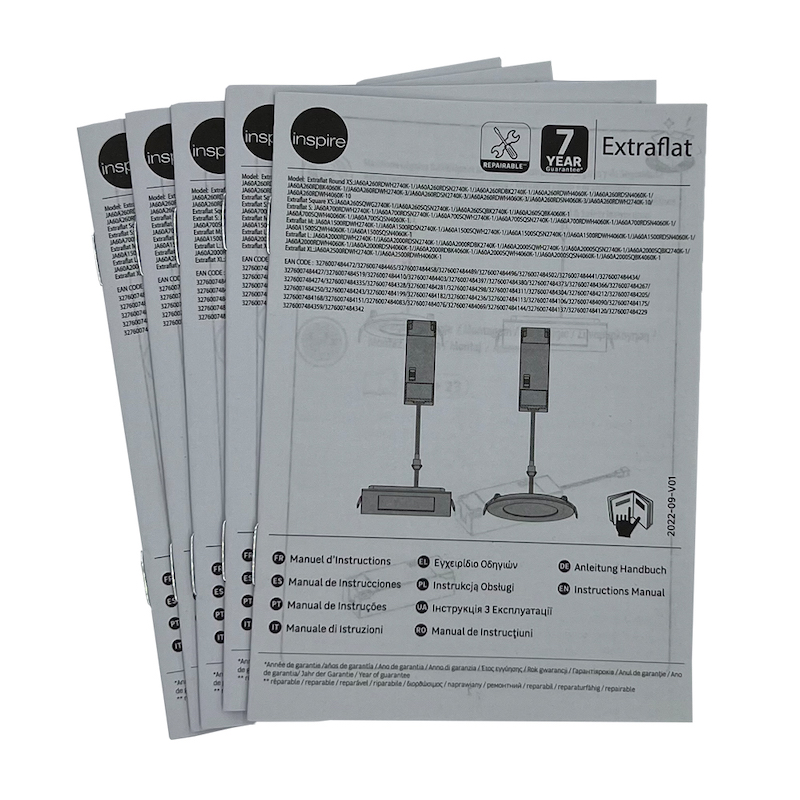
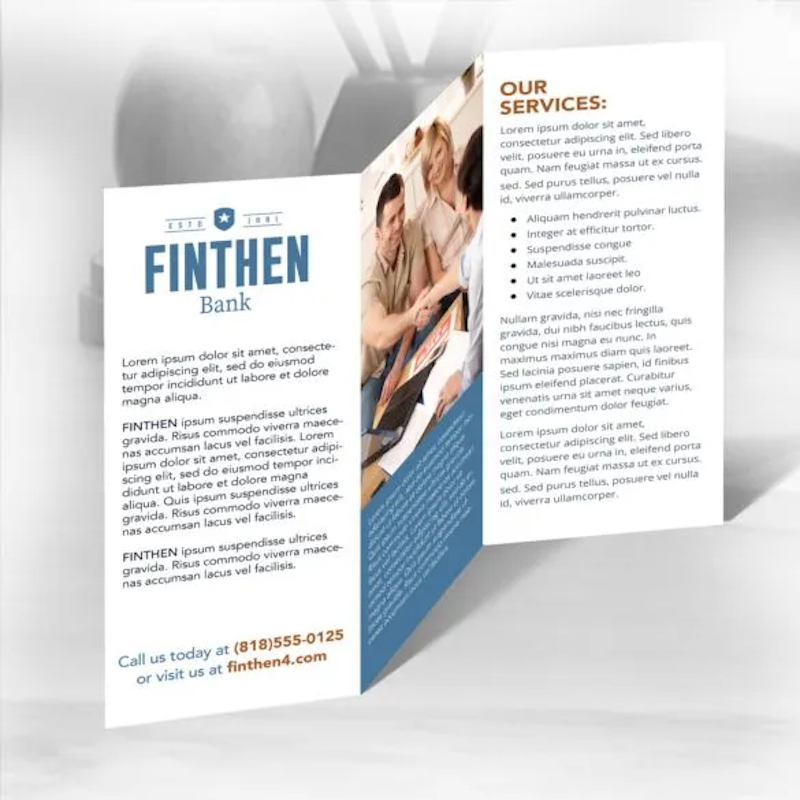
Minimal Essential Printing: Use a compact format—such as a folded brochure—to deliver only the legally required safety information and essential setup steps. This drastically reduces paper usage compared to full-length traditional booklets.
Digital Deep-Dive: Place prominent QR codes on the printed material, linking to comprehensive digital content. Users who need detailed troubleshooting, maintenance schedules, or advanced features can access complete user manuals online, where videos and interactive tools enhance understanding.
On-Demand Availability: Offer downloadable PDF versions for users who prefer offline digital access or wish to print specific sections themselves.
This hybrid approach satisfies all user types while minimizing environmental footprint. The folded brochure uses a fraction of the paper of a full manual, and the comprehensive install guide content lives in the cloud, updatable and accessible without additional printing.
Printed manuals are not inherently unsustainable. When produced with FSC-certified paper, vegetable-based inks, and recyclable bindings—practices embraced by responsible manufacturers like XIAMEN XINLIHONG PAPER CO.,LTD—they can be part of an environmentally responsible packaging strategy. By right-sizing physical content to include only essential information and leveraging digital platforms for comprehensive documentation, brands can meet both regulatory requirements and customer expectations while minimizing their ecological impact.
The future of user manuals is not purely digital or purely printed—it is intelligently hybrid, delivering the right information in the right format at the right time.
install guide
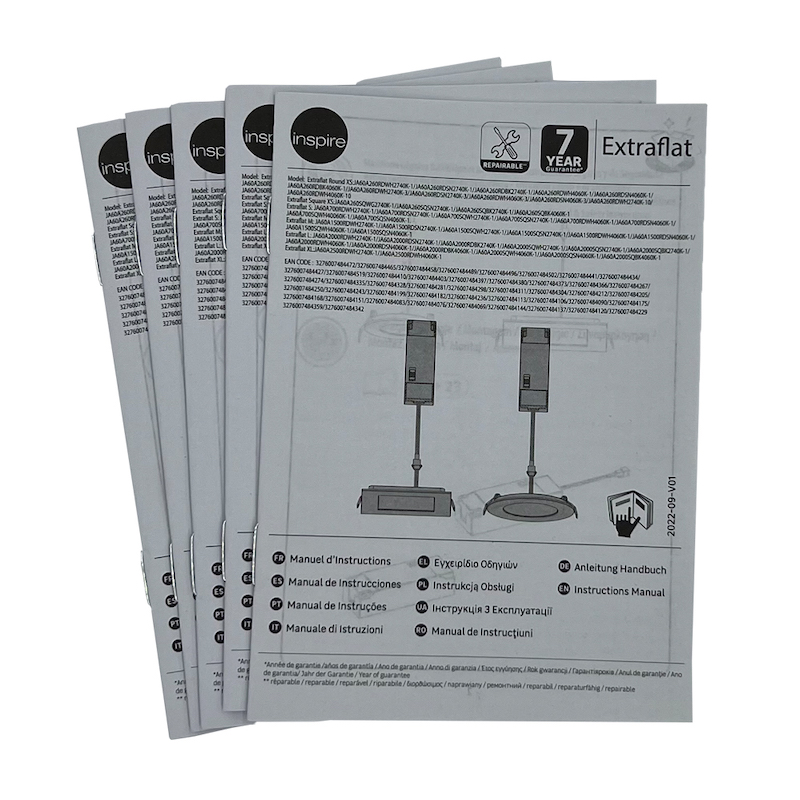
user manuals
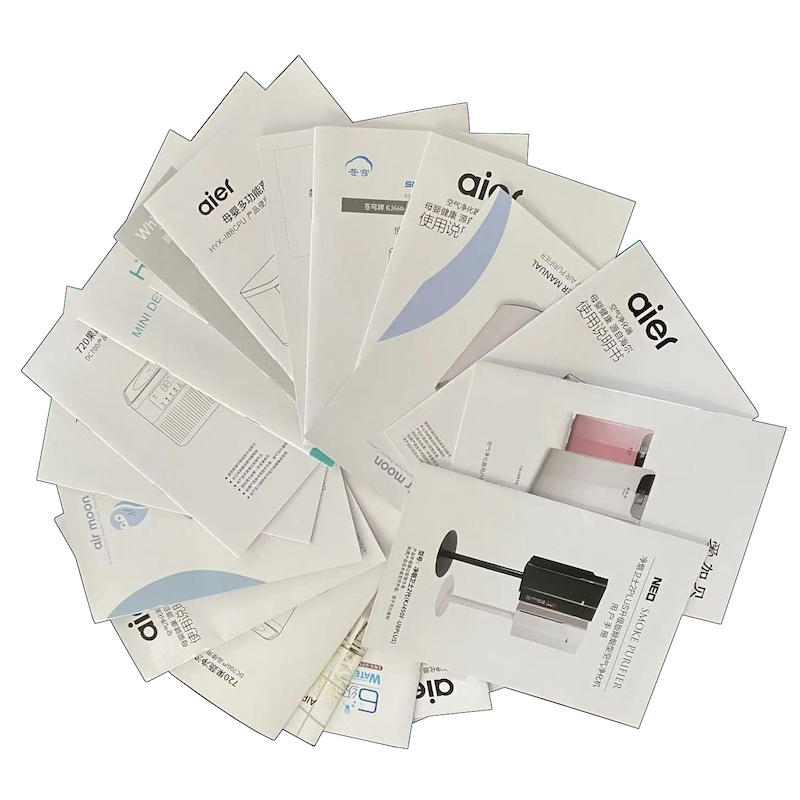
install instructions
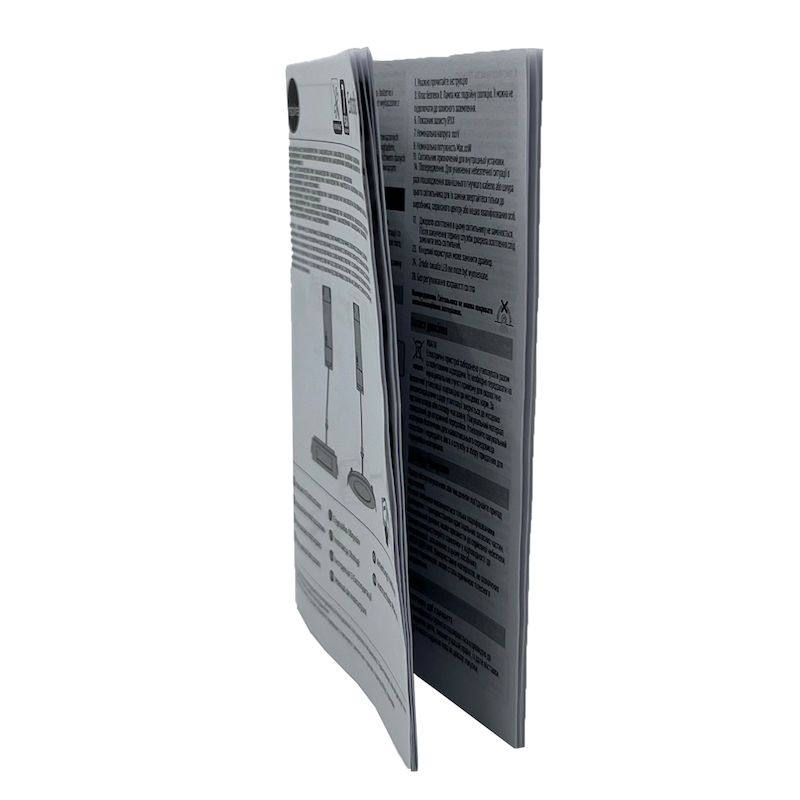
installation guide
XIAMEN XINLIHONG PAPER CO.,LTD installation guide offer a whole lot of sizes and patterns to pick out from to fulfill the packaging wishes of various items. At the identical time, the company logo, slogan, recipient information, etc. may be imprinted on the user manuals in keeping with consumer wishes to boom the personalization and popularity of the user guide.
