
When designing documentation for your product, one of the most critical decisions is choosing the right format. The format you select directly impacts user experience, production costs, and environmental footprint. In 2026, the two most common physical formats remain the traditional booklet and the fold out brochure. But how do you know which one is right for your specific product?
The answer lies in understanding your product's complexity and your user's needs. A simple rule of thumb applies: choose a booklet for complex products with extensive safety protocols, installation steps, and maintenance schedules. Choose a fold out brochure for simpler consumer products where users need quick, visual setup guidance without deep technical detail.
When to Choose a Booklet
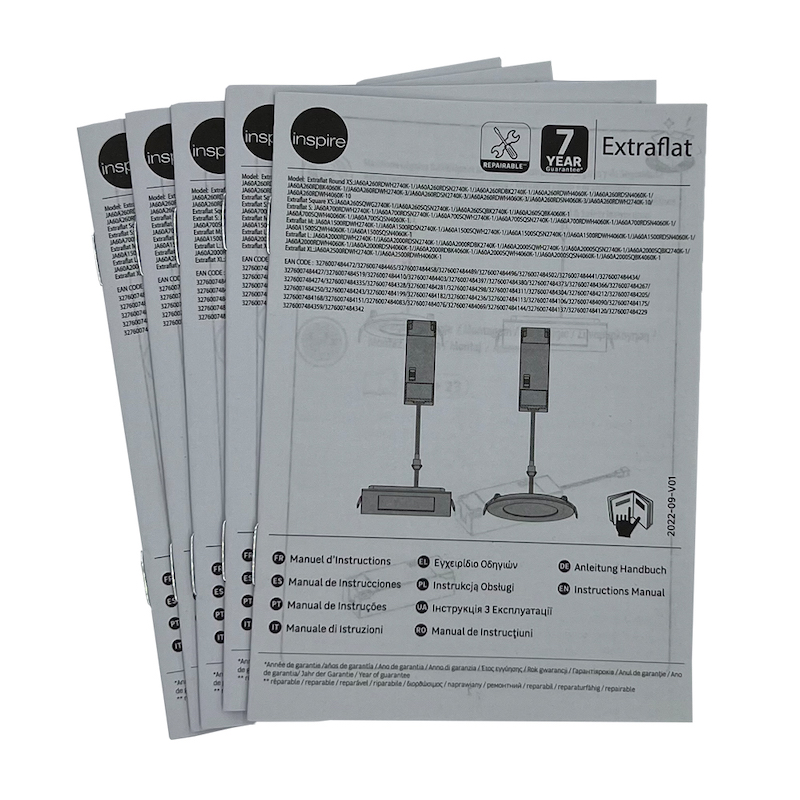
Booklets are bound collections of pages that provide comprehensive information. They are the traditional format for detailed user manuals and technical documentation.
Choose a booklet when:
Your product is complex: Industrial machinery, medical devices, HVAC systems, and high-end appliances require detailed explanations. Users need step-by-step install instructions that cover every possibility.
Safety is paramount: Products with significant risks require extensive safety warnings, regulatory compliance information, and legal disclaimers. A booklet allows you to present this critical information prominently and thoroughly.
Maintenance is ongoing: If your product requires regular maintenance, filter changes, or professional servicing, a durable booklet that users can keep for years is essential.
Multiple languages are needed: For global products, booklets can accommodate 8-12 languages in separate sections, ensuring compliance with international regulations.
For these products, the install guide often runs dozens of pages, covering torque specifications, wiring diagrams, and troubleshooting trees. A simple fold out brochure simply cannot contain this depth of information.
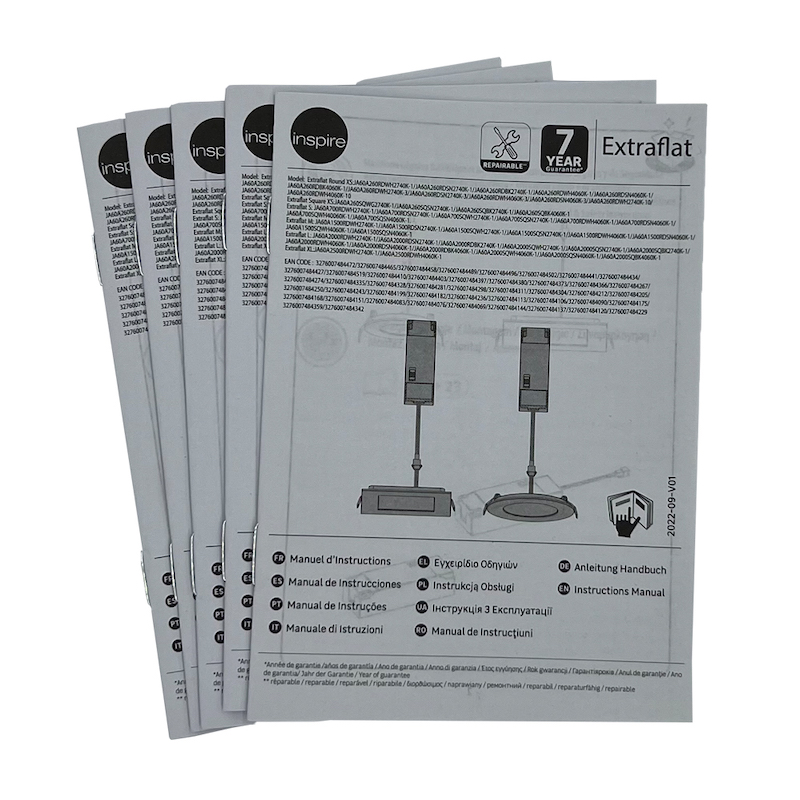
install guide
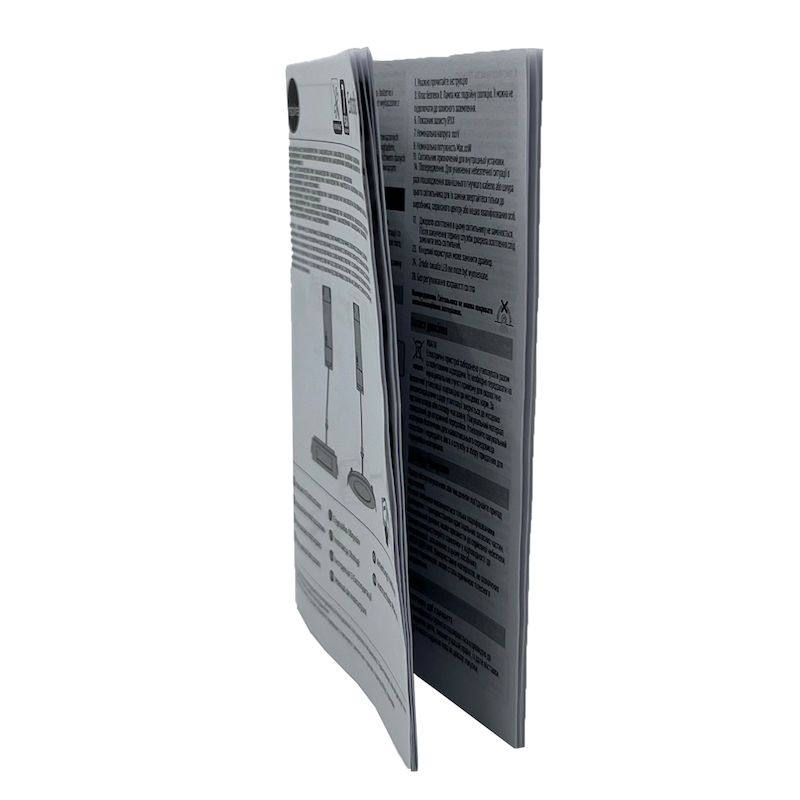
user manuals
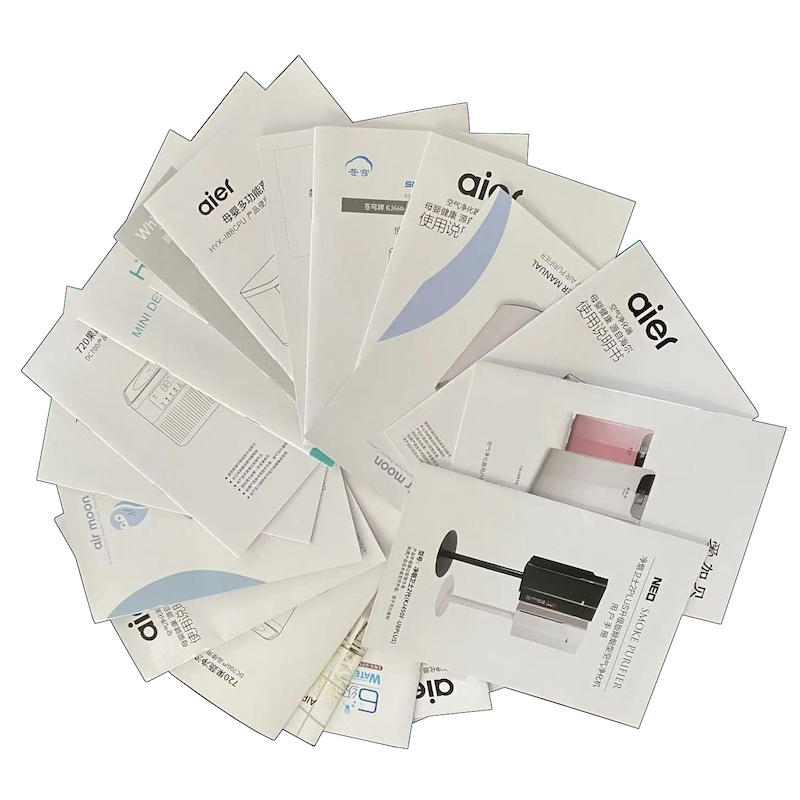
install instructions
When to Choose a Fold Out Brochure
A folded brochure is a single sheet of paper, printed on both sides and folded into a compact format. When opened, it reveals a clean, visual layout perfect for quick reference.
Choose a fold out brochure when:
Your product is simple: Consumer electronics, smart home devices, small kitchen appliances, and furniture typically don't require deep technical manuals. Users just want to get started quickly.
Visual guidance suffices: If a process can be explained with clear diagrams and minimal text, a brochure is ideal. Think of setting up a Wi-Fi speaker or assembling a bookshelf.
Space is limited: Brochures take up minimal space in packaging, reducing material costs and environmental impact. They are also easier for users to store.
You want a quick-start focus: Many products benefit from a simple install guide that covers the basics, with deeper information available online via QR code. The brochure serves as the gateway to that digital content.
For many modern consumer products, the physical fold out brochure has replaced the thick user manuals of the past. Users appreciate being able to see the entire setup process at a glance, without flipping through pages.
The Hybrid Approach
In many cases, the best solution is not an either/or decision but a hybrid strategy. Consider this approach:
Include a fold out brochure inside the product box. This covers the essential safety information and quick-start setup. It answers the question, "How do I turn this on and use it right now?"
Place a prominent QR code on that brochure. This code links to a comprehensive digital manual online, containing full technical details, video tutorials, and FAQs.
Offer a downloadable PDF of the complete user manuals for users who prefer offline digital access or want to print specific sections.
This hybrid model satisfies all user types. The impatient user gets instant visual guidance from the folded brochure. The curious user can explore deeper content online. The traditionalist can still access a full manual.
Factors to Consider in Your Decision
| Factor | Choose Booklet | Choose Fold Out Brochure |
|---|---|---|
| Product Complexity | High (industrial, medical) | Low (consumer, electronics) |
| Page Count Needed | 20+ pages | 1-2 sheets (folded) |
| Safety Requirements | Extensive warnings needed | Basic warnings, online details |
| User Expectation | Comprehensive reference | Quick-start guidance |
| Languages Required | 8+ languages in one book | 1-2 languages, online for others |
| Sustainability Goal | Recycled paper, lightweight | Minimal paper usage |
| Cost per Unit | Higher (more materials) | Lower (less materials) |
Choosing between a booklet and a fold out brochure ultimately comes down to understanding your user's journey. If they need a detailed reference they will consult for years, invest in a quality booklet with comprehensive install instructions. If they simply want to unbox, set up, and start using the product in minutes, a well-designed folded brochure is the superior choice.
By matching the format to the product's complexity and the user's needs, you ensure that your documentation enhances—rather than hinders—the customer experience.

folded brochure
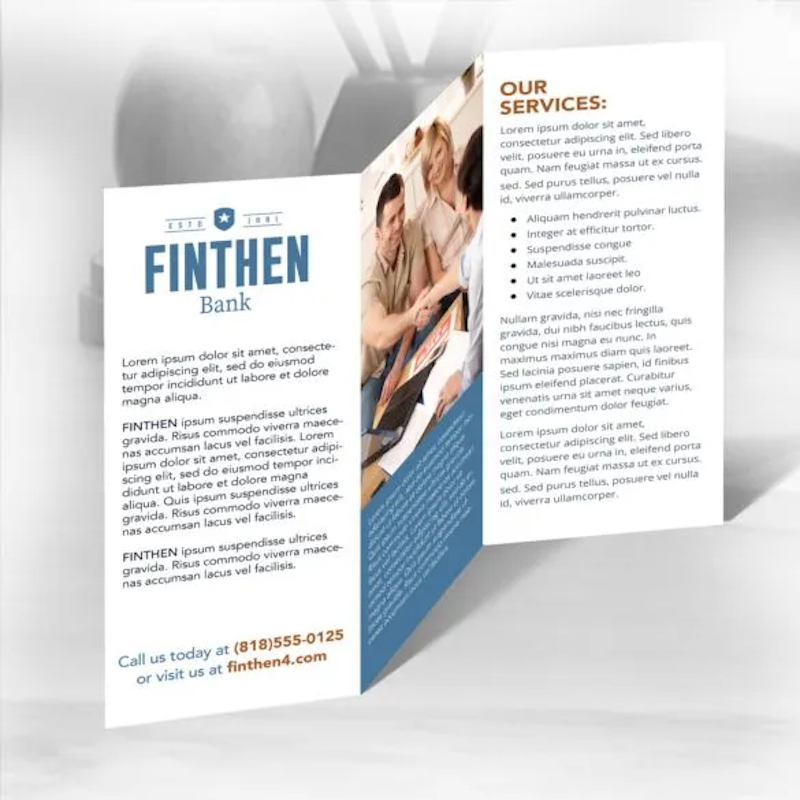
fold out brochure
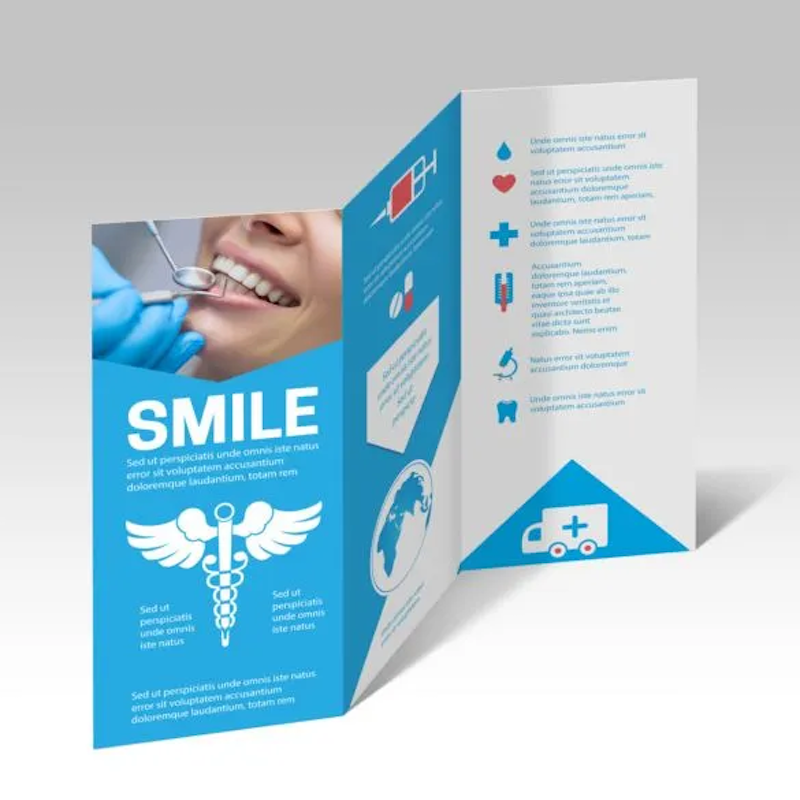
folded brochure
XIAMEN XINLIHONG PAPER CO.,LTD installation guide offer a whole lot of sizes and patterns to pick out from to fulfill the packaging wishes of various items. At the identical time, the company logo, slogan, recipient information, etc. may be imprinted on the user manuals in keeping with consumer wishes to boom the personalization and popularity of the user guide.
