
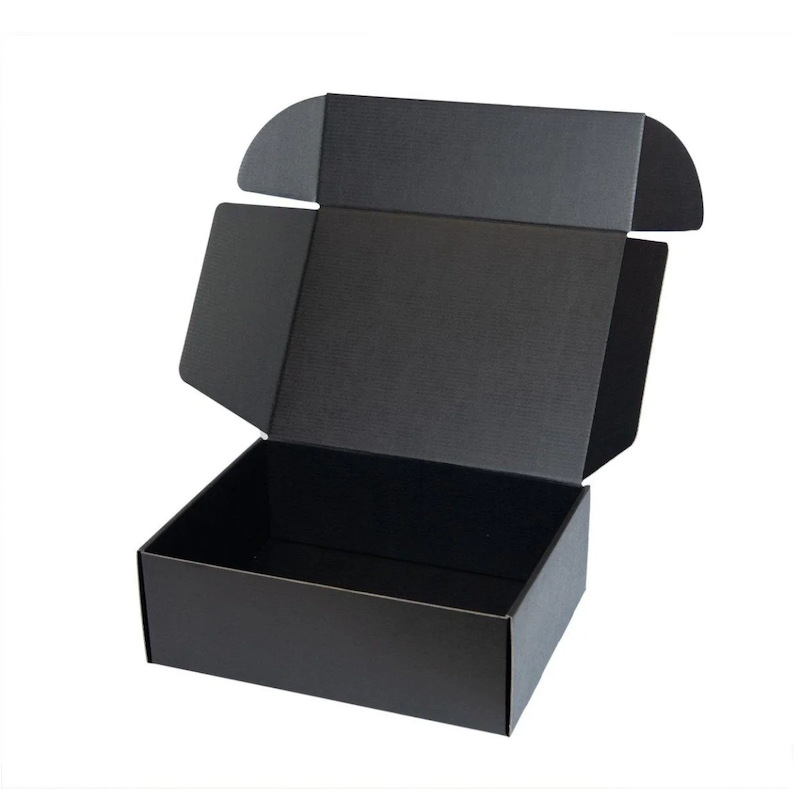
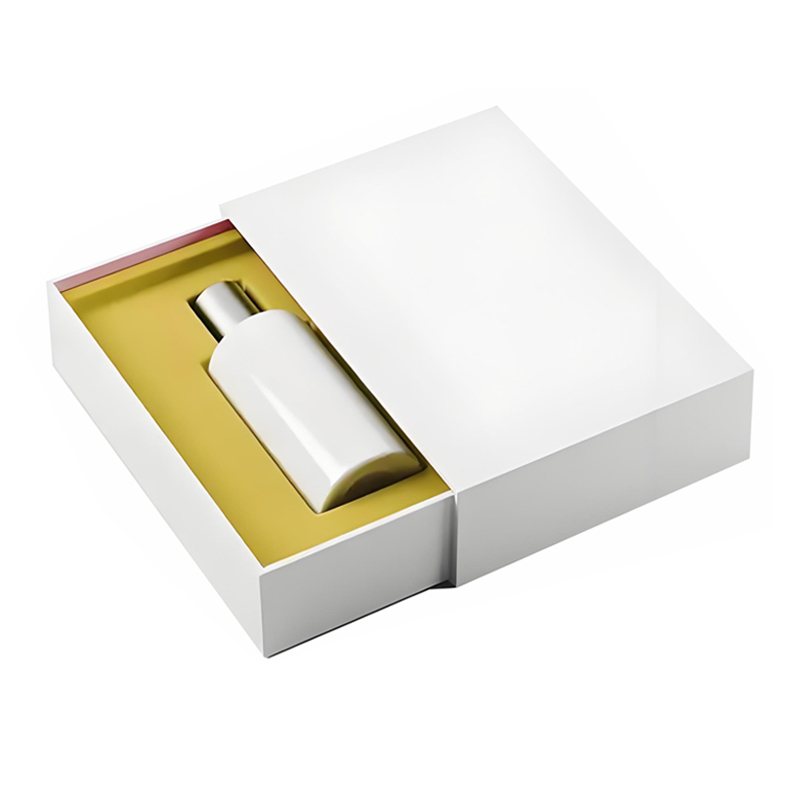
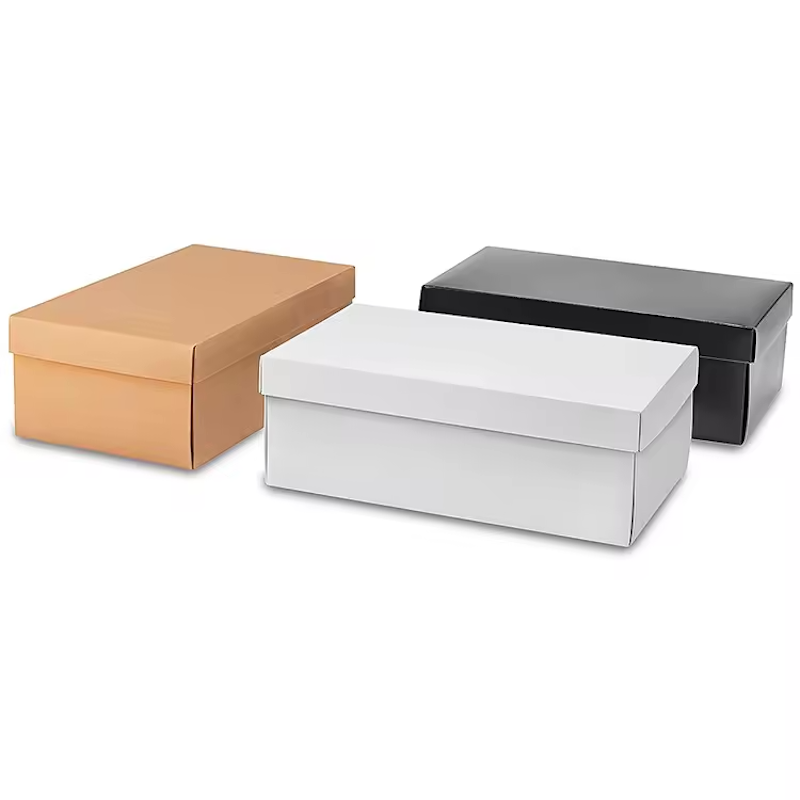
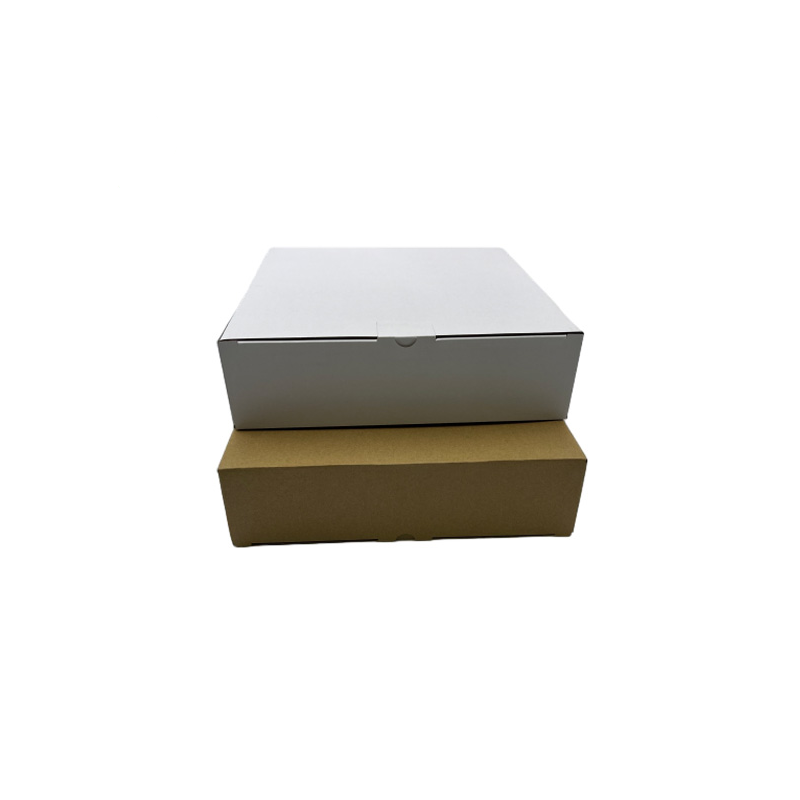
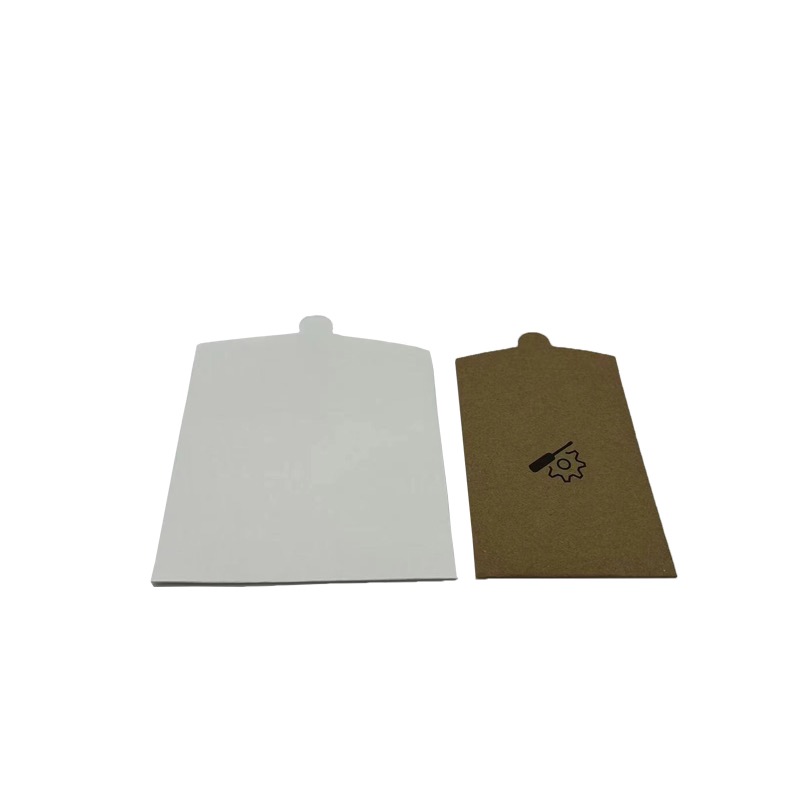
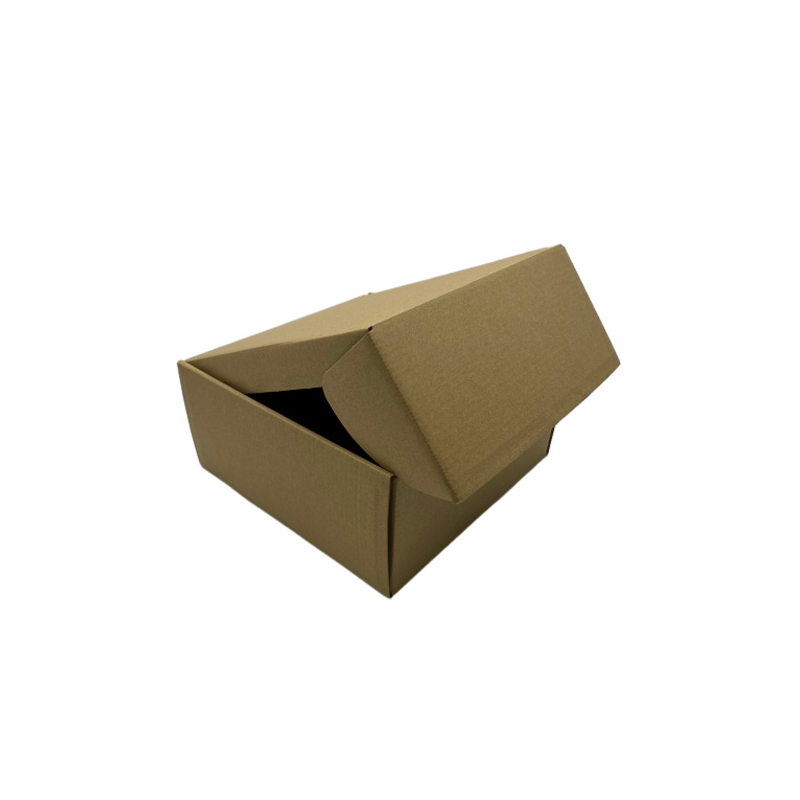
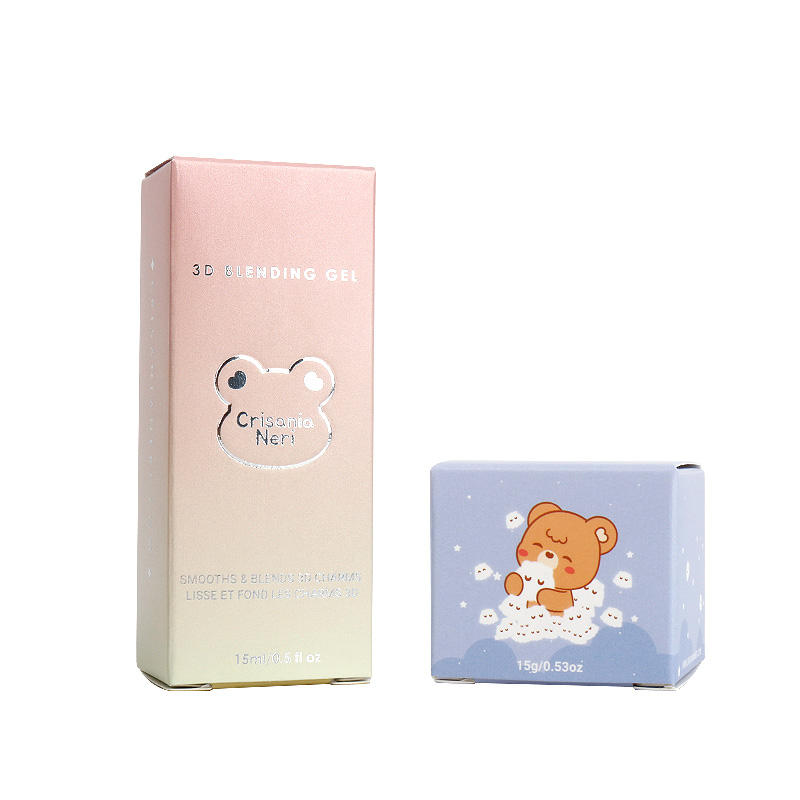
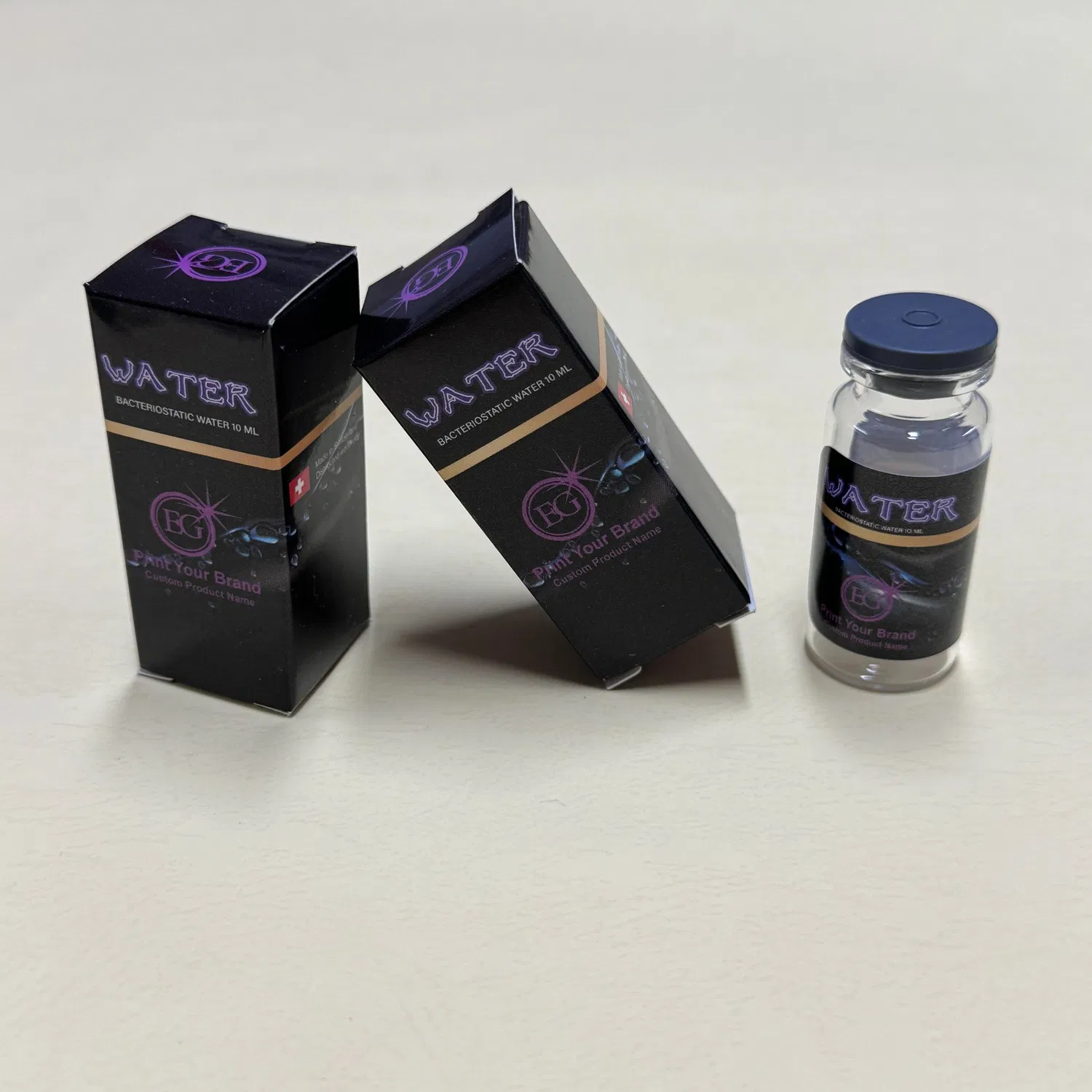
The folding carton boxes that elegantly hold everything from pharmaceuticals to luxury cosmetics are the result of a sophisticated, multi-stage manufacturing process. Far from being simple containers, a foldable packaging box is an engineered product that must balance structural integrity, precise graphics, and efficient production. The journey from a flat sheet of paperboard to a finished, functional printed folding boxes involves a seamless integration of design, material science, and precision engineering. This process, honed over decades, ensures that each foldable cardboard boxes are not only aesthetically pleasing but also reliably protects its contents and functions flawlessly on high-speed packaging lines.
1
Structural Design and Pre-Press
The process begins long before production, with meticulous structural design. Packaging engineers use specialized CAD software (like Esko ArtiosCAD) to create a digital dieline—a flat blueprint that defines every fold, cut, and glue flap of the future folding cardboard boxes. This dieline must account for the board's caliper (thickness), grain direction, and the final package's required strength and assembly method. Simultaneously, graphic designers prepare the artwork for the printed folding boxes. This artwork is separated into the standard printing colors (CMYK) and any special spot colors or varnishes. The dieline and separated artwork are then combined to create printing plates (for offset lithography) or digital files (for digital printing). This stage is critical for ensuring that the vibrant graphics will align perfectly with the structural cuts and folds of the final foldable packaging box.
2
Printing
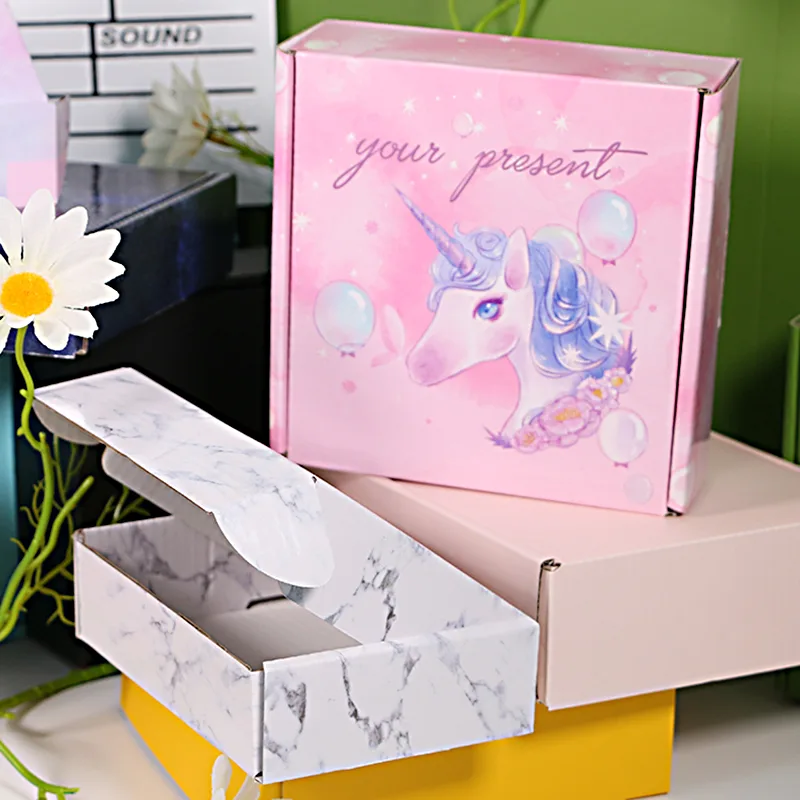
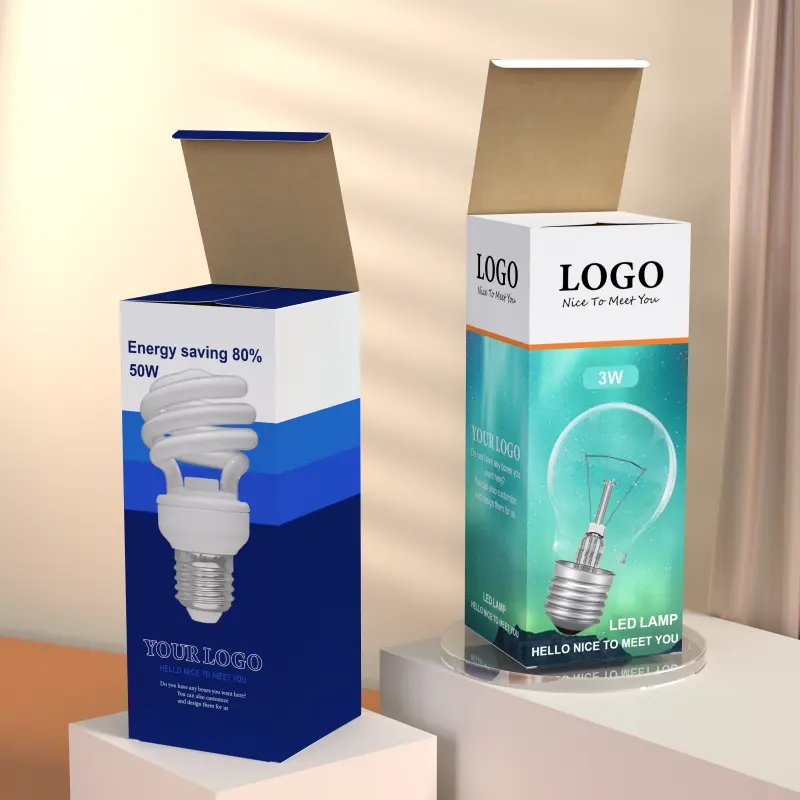
With plates and materials ready, the printing stage commences. For medium to high-volume runs of printed folding boxes, offset lithography is the dominant technology. It offers exceptional color fidelity, sharpness, and consistency. Large sheets of paperboard are fed through the press, where the inked image from the plates is transferred first to a rubber blanket and then onto the board. For short runs or highly variable data, digital printing is increasingly used, offering quick turnaround without the need for physical plates. This stage brings the visual identity of the folding carton boxes to life, applying brand logos, instructional text, and regulatory information with precision.
3
Post-Printing Finishing and Coating
Immediately after printing, the sheets often proceed to a coating unit. An aqueous coating or UV coating is applied inline or offline. This serves a dual purpose: it protects the ink from scuffing during subsequent handling and enhances the visual appeal with a gloss, matte, or soft-touch finish. For premium foldable cardboard boxes, additional specialty finishing processes may follow on separate machines. These can include:
Foil Stamping: Applying metallic or pigmented foil to specific areas for a luxurious effect.
Embossing/Debossing: Creating raised or recessed textures in the paperboard.
Spot UV: Applying a high-gloss varnish to selected graphic elements to make them pop.
These enhancements elevate a standard foldable packaging box into a premium unboxing experience.

folding carton boxes
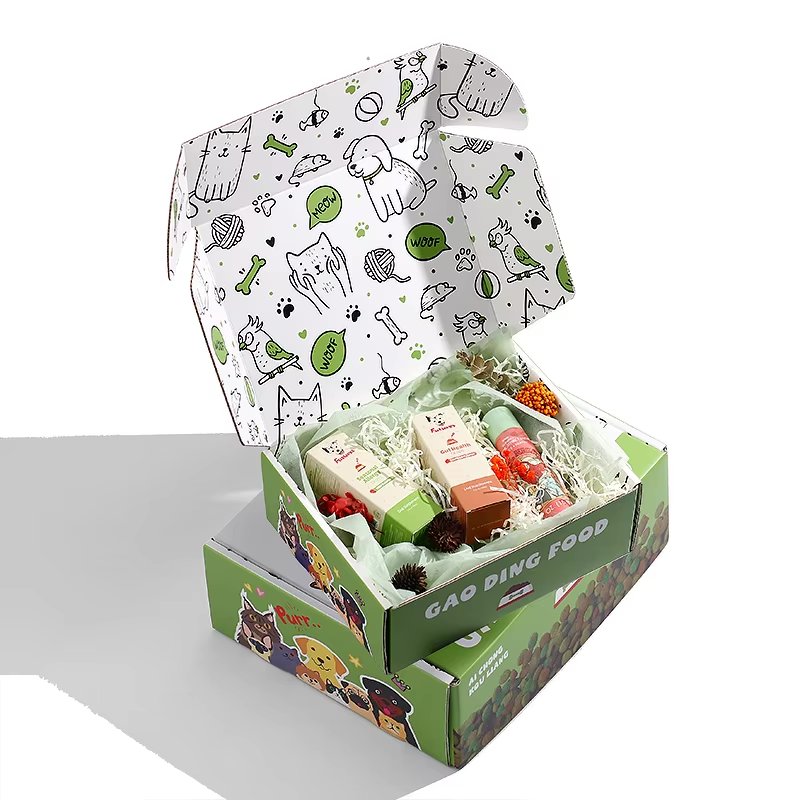
foldable packaging box
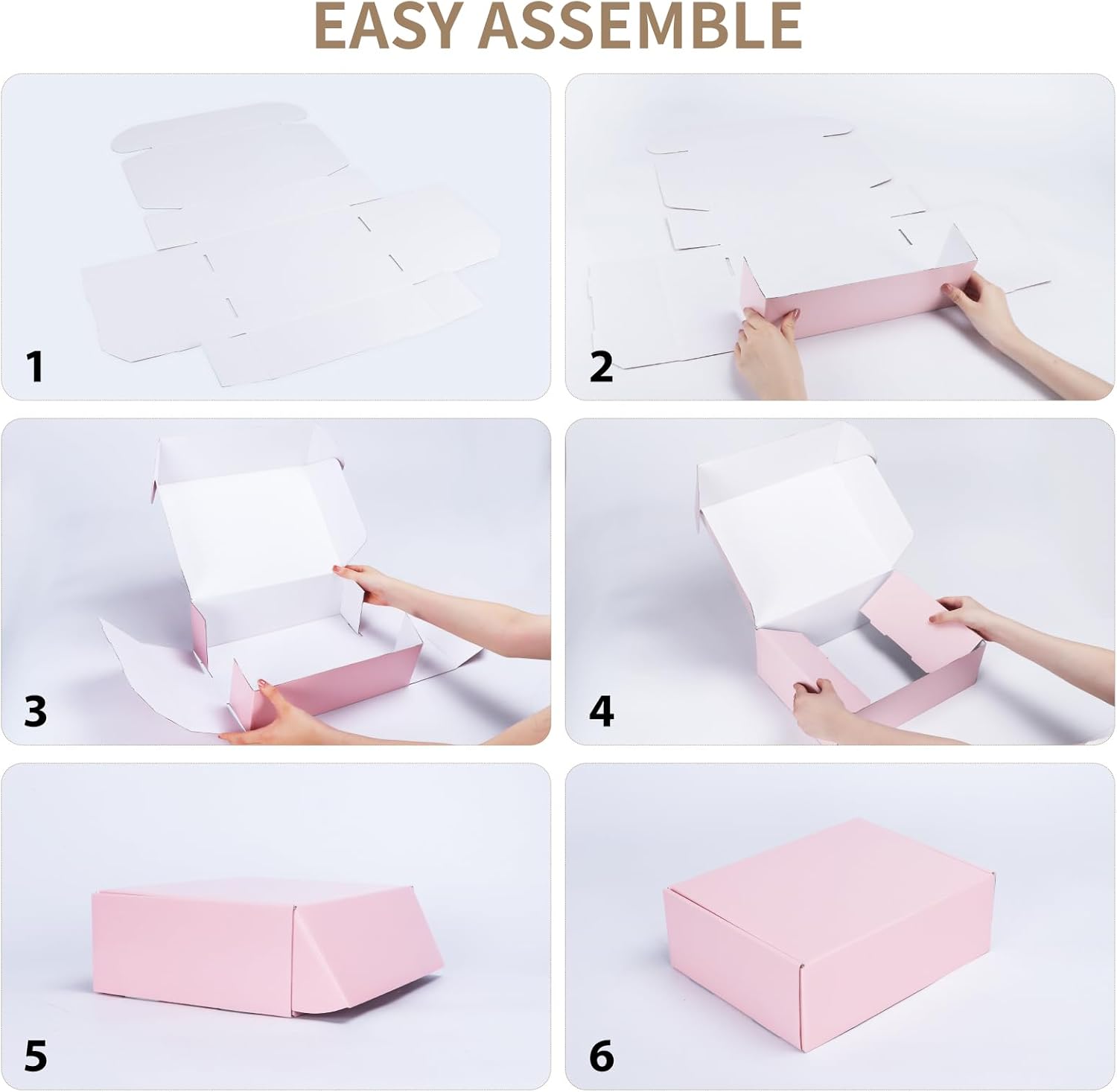
foldable cardboard boxes
folding cardboard boxes
4
Die-Cutting and Creasing
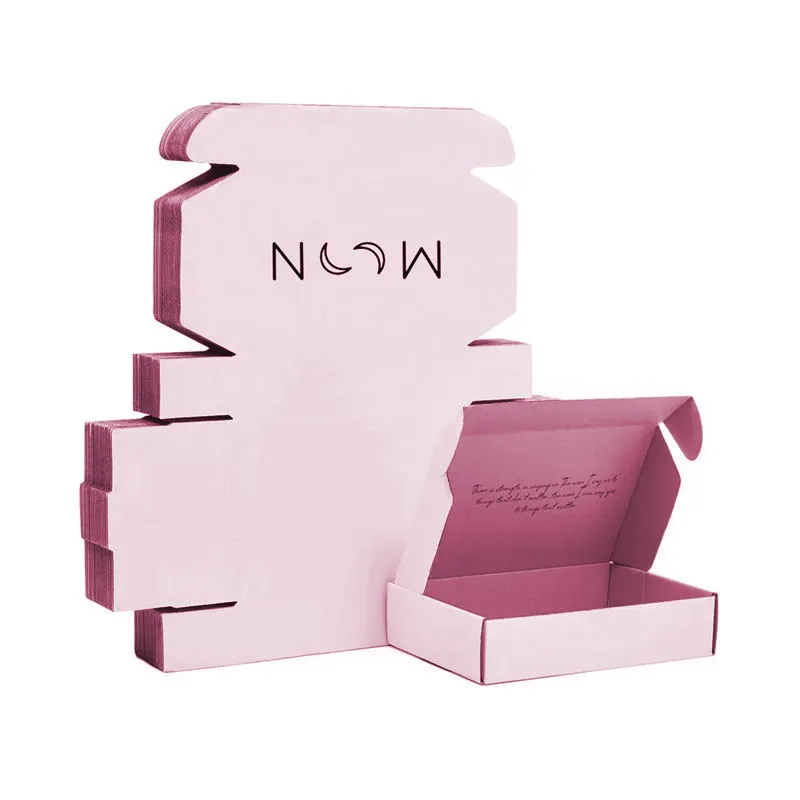
This is the transformative step where flat, printed sheets become the net shape of the folding cardboard boxes. The sheets are fed into a platen die-cutting press. A custom-made steel rule die, fashioned precisely to the dieline, is mounted in the press. In one powerful stroke, the die simultaneously:
Cuts: The steel blades cleanly cut through the paperboard to define the outer contour of the box.
Scores/Creases: Blunted steel rules press grooves into the board at all fold lines. This crucial step fractures the internal fibers along a precise line, allowing for a clean, predictable, and controlled fold without cracking the surface or the printed graphics.
The waste material (the negative space around the box shapes, known as skeleton) is then stripped away, leaving a stack of individual, flat box blanks—now recognizable as folding carton boxes ready for assembly.
5
Folding and Gluing
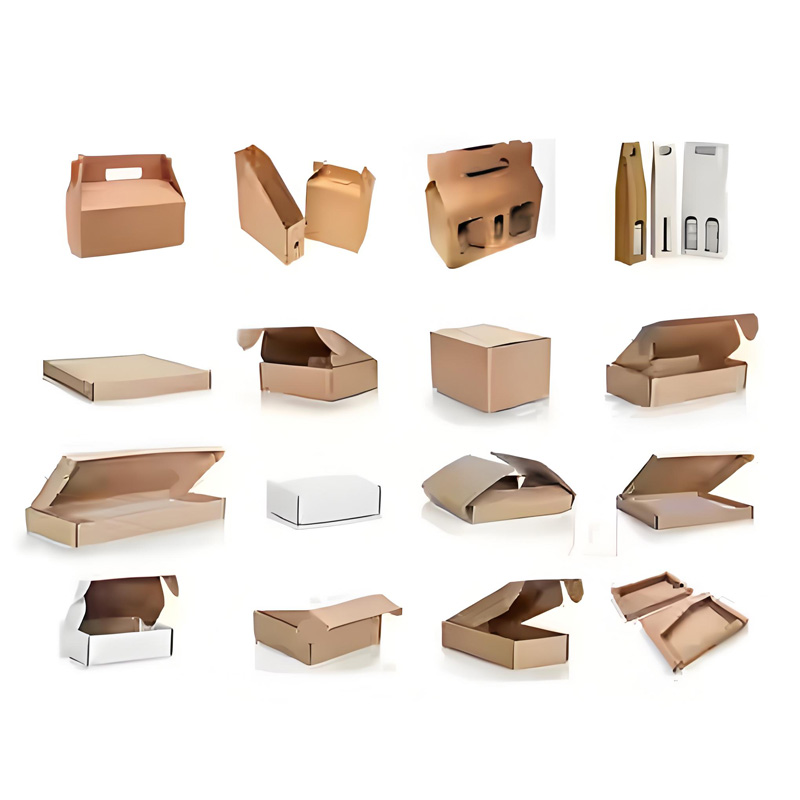
The flat blanks are conveyed to folding and gluing machines. These automated systems, often called folder-gluers, perform a complex series of operations. Mechanical folds are made precisely along the pre-creased lines. A precise amount of hot-melt or cold glue is applied to the designated flaps. The machinery then folds and presses these flaps to form a permanent bond, transforming the blank into a three-dimensional, structurally sound foldable packaging box. The most advanced machines can handle complex styles like automatic bottom boxes, 4- and 6-corner trays, and reverse tuck designs with incredible speed and accuracy.
6
Quality Control and Packaging
Every batch of printed folding boxes undergoes rigorous quality control. Inspectors or automated vision systems check for dimensional accuracy, print registration, glue bond strength, and the integrity of the folds. Finally, the finished foldable cardboard boxes are compressed flat (if designed to be shipped flat) or left upright, counted, and packed into master cartons for shipment to the customer's filling line.
The manufacture of folding carton boxes are a symphony of advanced technology and precise craftsmanship. It is a process that seamlessly integrates graphic artistry with mechanical engineering, transforming a two-dimensional sheet into a three-dimensional, functional, and brand-defining foldable packaging box. From the initial digital dieline to the final automated glue seam, each step is critical in ensuring that the millions of folding cardboard boxes and printed folding boxes produced daily meet the exacting standards of protection, presentation, and performance demanded by the global marketplace.
printed folding boxes
folding cardboard boxes
folding carton boxes
