
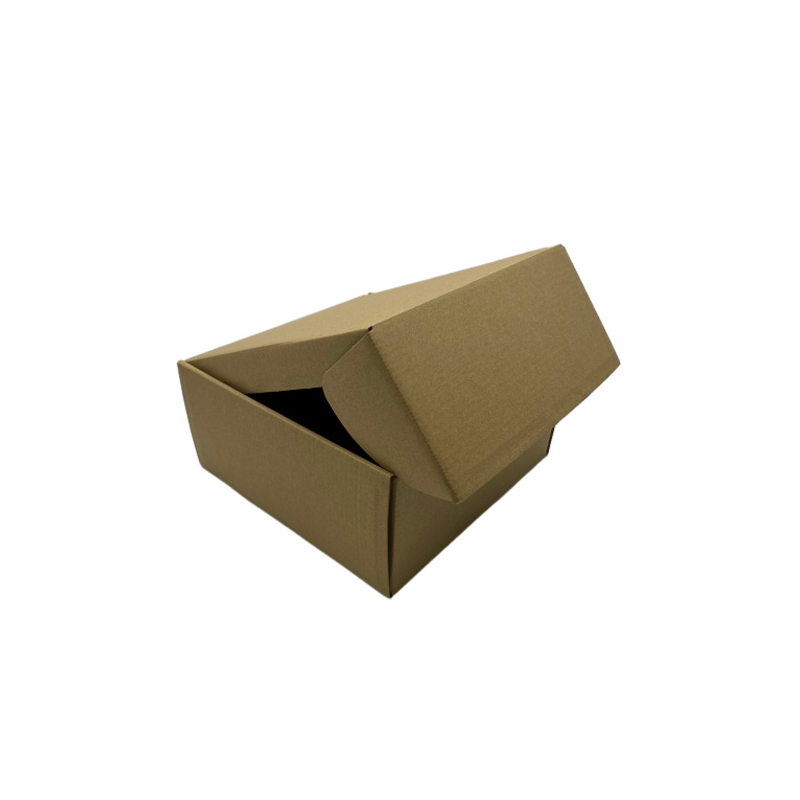
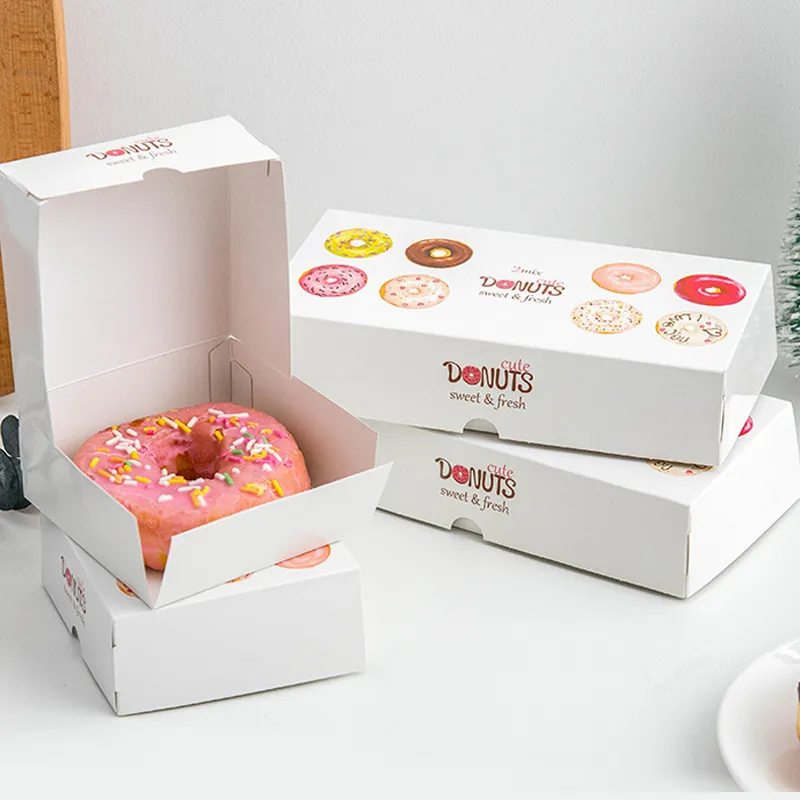

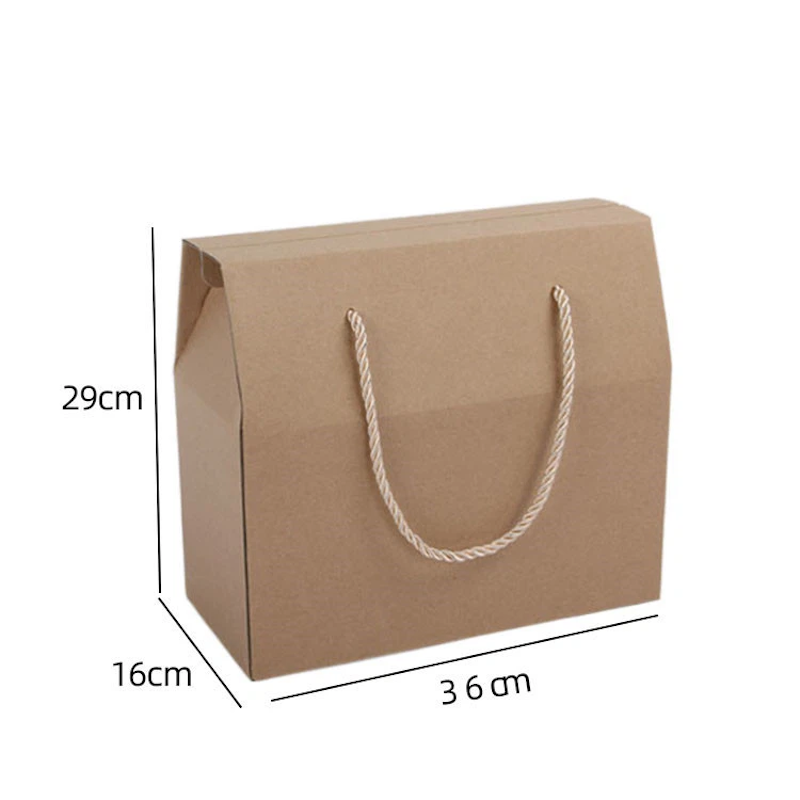
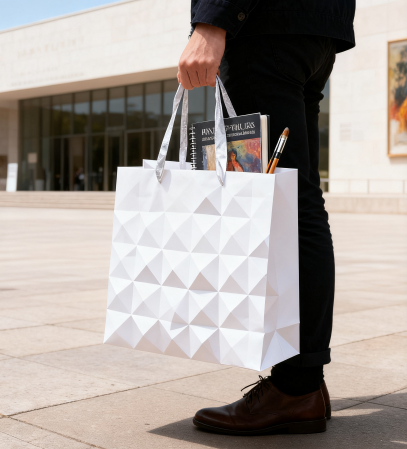
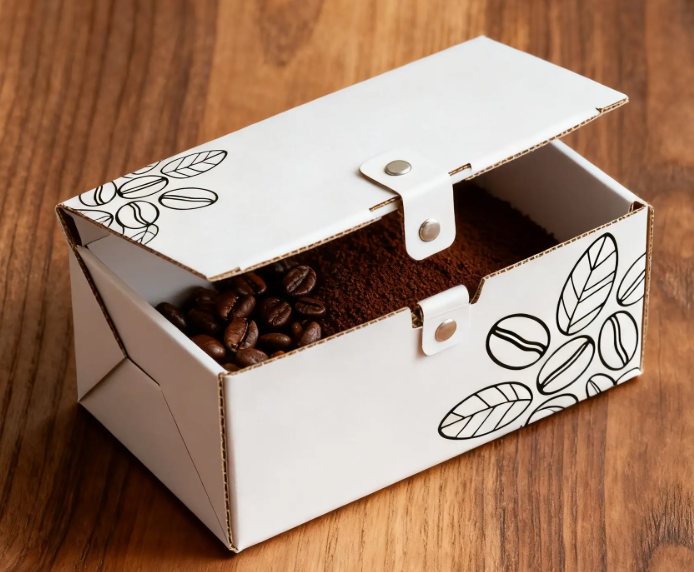
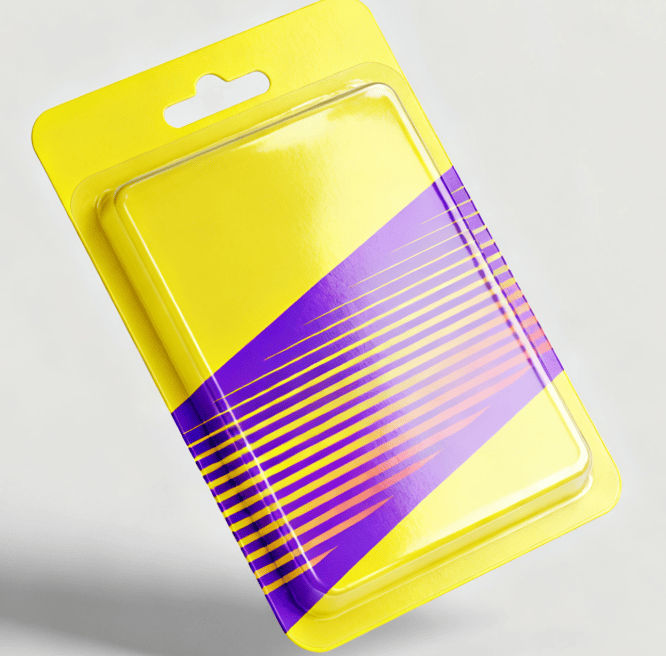


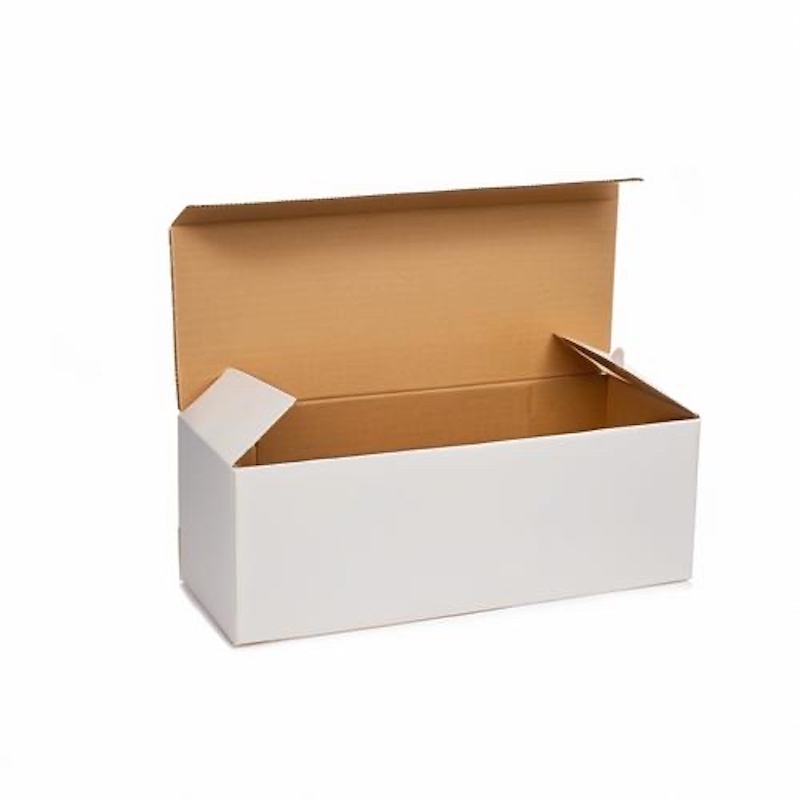
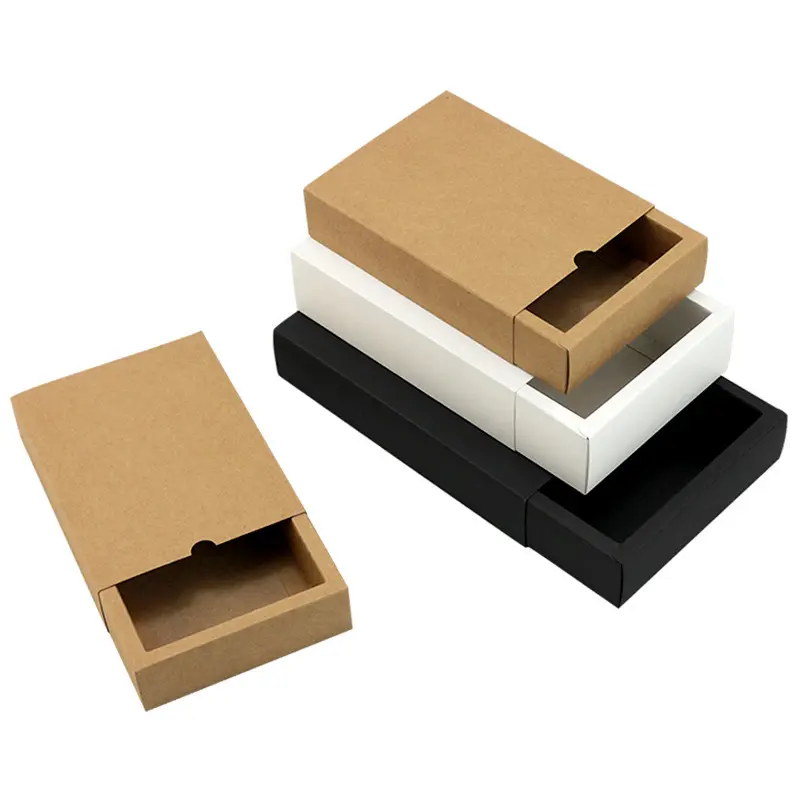
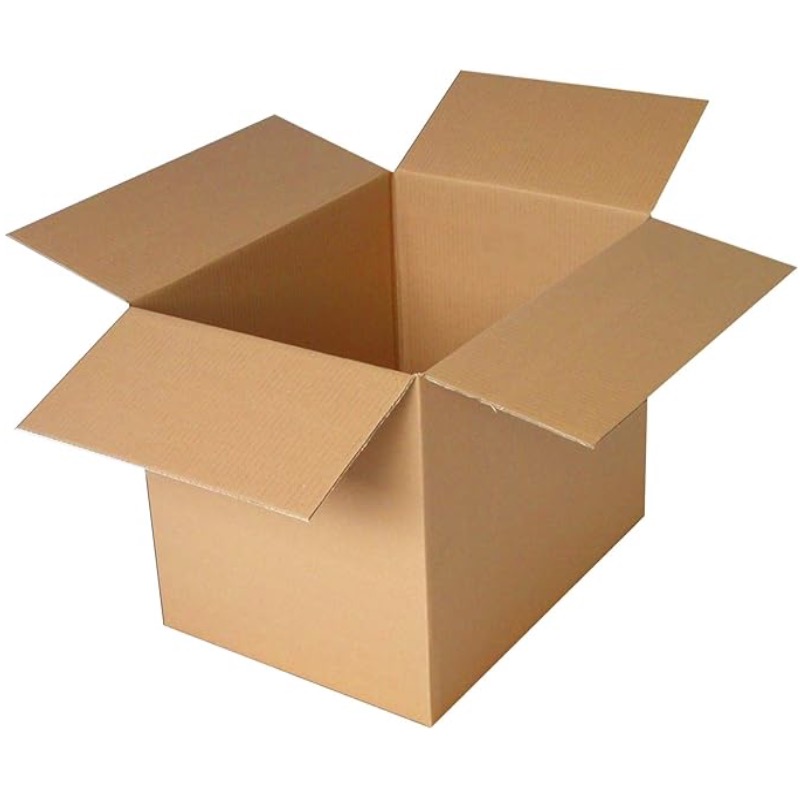
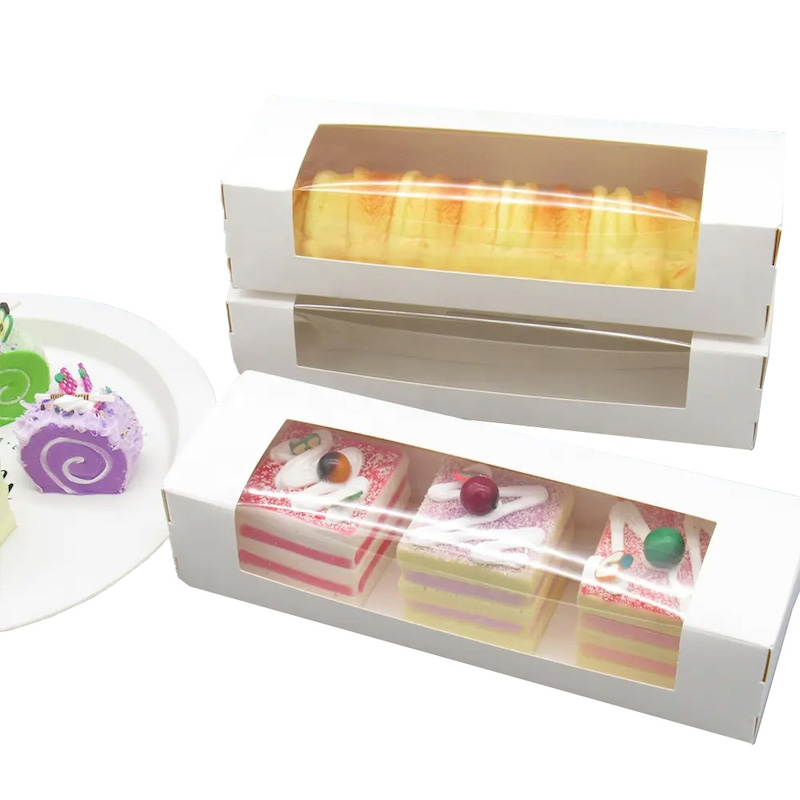

A single jam on a high-speed folder-gluer can halt production for 8–12 minutes, reducing overall equipment effectiveness (OEE) by 15–20% during peak shifts. For manufacturers of folding packaging boxes, these stoppages not only waste material but also damage scores, creases, and glue patterns. Preventing jams requires a systematic approach that addresses board quality, machine calibration, and environmental factors. This guide provides actionable protocols for maintaining uninterrupted flow on lines running at 300+ meters per minute.
1. Board Flatness and Warp Control
The primary mechanical cause of jams is board warp—either upward, downward, or twist. Warped blanks fail to enter the feeder smoothly, causing skewed feeds that trigger jam sensors. For collapsible gift box production, acceptable warp tolerance is less than 3mm per 300mm length. To prevent issues, store foldable cardboard boxes blanks in a climate-controlled area (22±2°C, 50±5% RH) for 48 hours before running. Additionally, rotate the stack direction 180° midway through the hopper to compensate for asymmetric moisture gradients. Regular measurement with a straightedge gauge on every third pallet reduces warp-related jams by over 40%.
2. Scoreline Depth and Fold Accuracy
Insufficient or excessive scoring creates fold resistance or cracking, both of which cause blank misalignment in the folding section. For folding gift box designs, score compression should be 60–70% of the board caliper—measured by a micro-gap gauge. Shallow scores force the folding belts to over-torque, resulting in sudden pop-opens that jam the glue station. Deep scores, conversely, weaken the hinge, allowing the blank to buckle under its own weight. Conduct a score quality audit every 2 hours using a folded sample test; the folded angle must lie perfectly flat at 180° without spring-back. This practice is especially critical for folding corrugated boxes, where the flute direction alters folding resistance significantly.
3. Glue Application and Viscosity Stability
Excessive glue or high-viscosity adhesive creates tacky buildup on the carrier belts and folding rails, causing blanks to stick together or drift sideways. For high-speed lines producing folding packaging boxes, maintain glue viscosity between 18–22 seconds on a Zahn cup #4 at 25°C. Install an automatic viscosity controller that adjusts water addition based on temperature fluctuations. Additionally, check the glue nozzle position daily—misalignment of 0.5mm can deposit adhesive on the fold crease rather than the flap, leading to premature bonding and subsequent tearing that jams the exit conveyor. Clean glue residue from all rollers and plates every 4 hours to prevent crystallization.
4. Belt Tension and Synchronization
Uneven drive belt tension on the upper and lower folding rails produces differential speeds, skewing the blank as it travels through the forming section. For foldable cardboard boxes with complex lock-bottom structures, the speed difference between left and right belts must remain within ±0.3%. Use a laser tachometer to verify belt velocities at the infeed, middle, and outfeed stations. Moreover, check the condition of polyurethane belts—worn or glazed belts lose grip, allowing blanks to slip and collide with upstream blanks. Implement a belt replacement schedule based on run hours (typically 800 hours for heavy-duty operations). Proper synchronization alone can lower jam frequency by 25% for collapsible gift box lines.
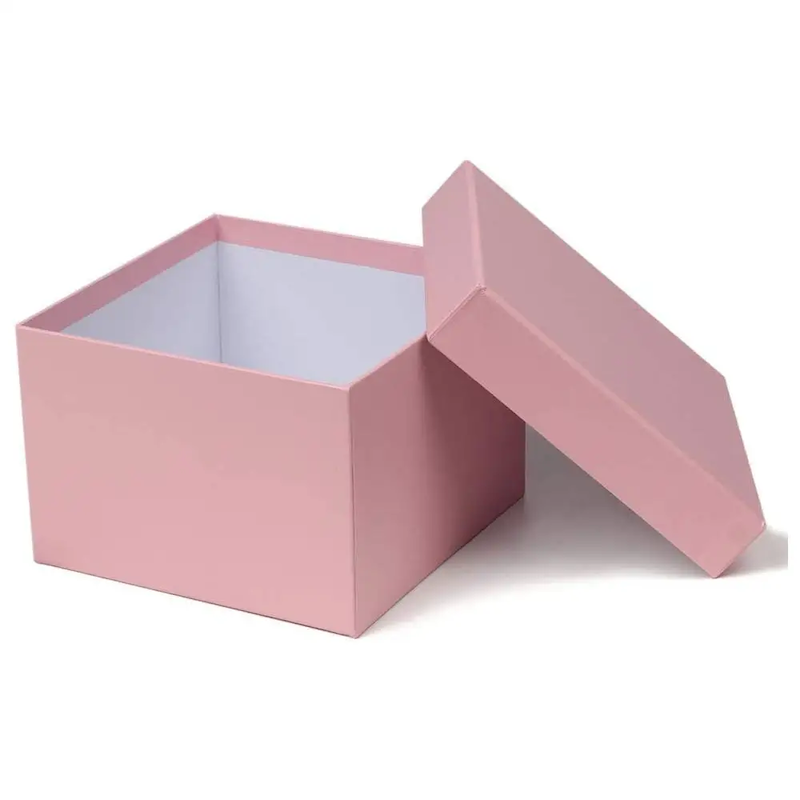
folding gift box
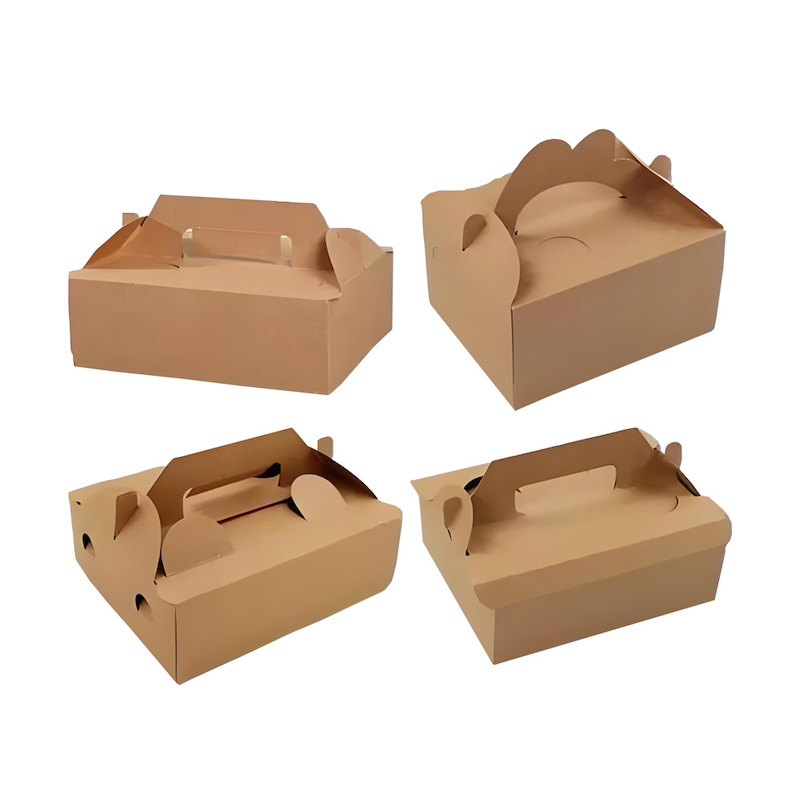
collapsible gift box
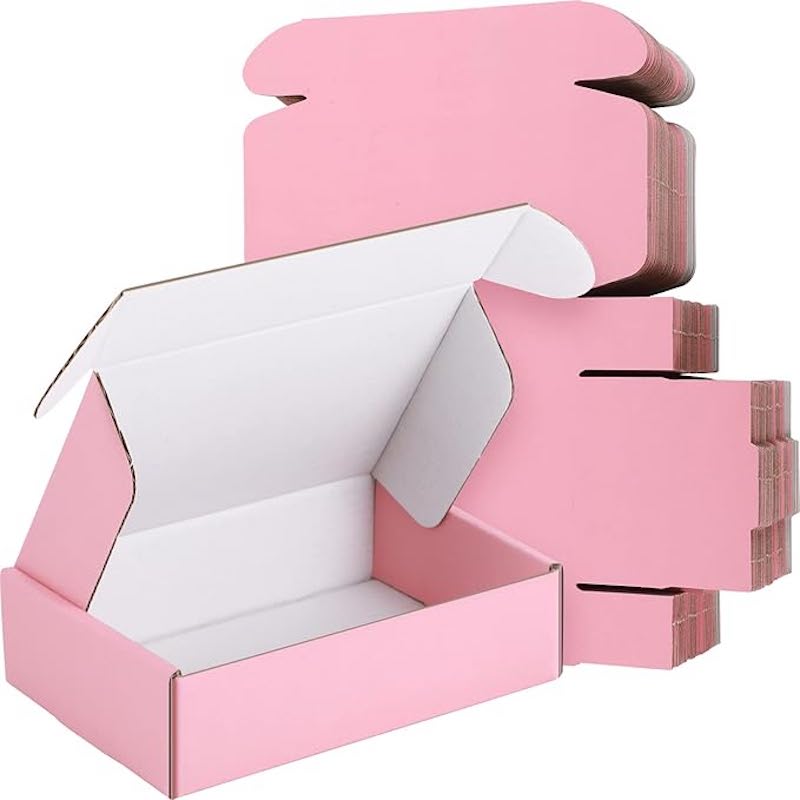
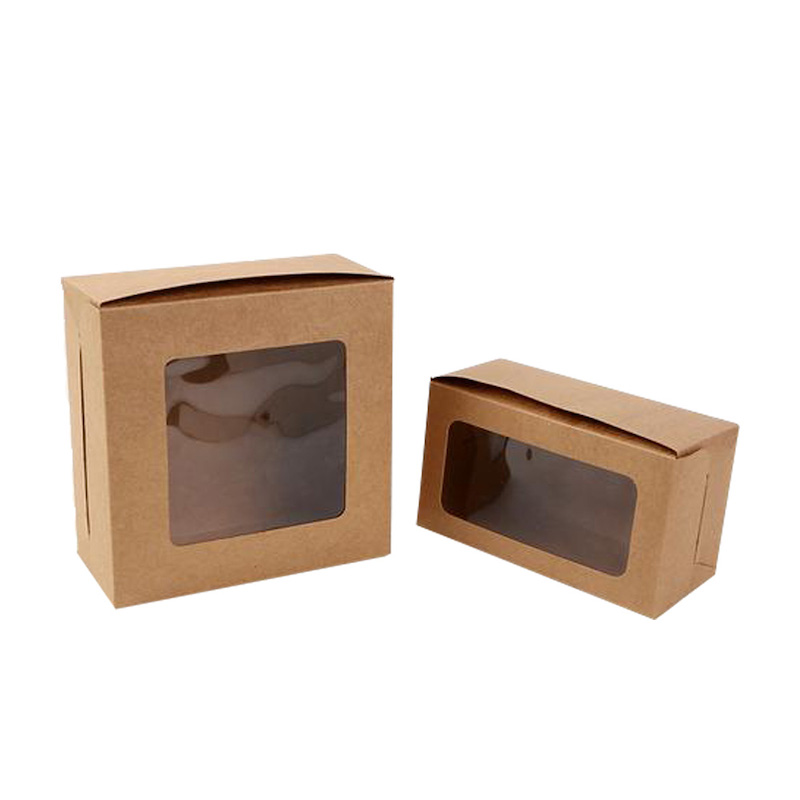
folding packaging boxes
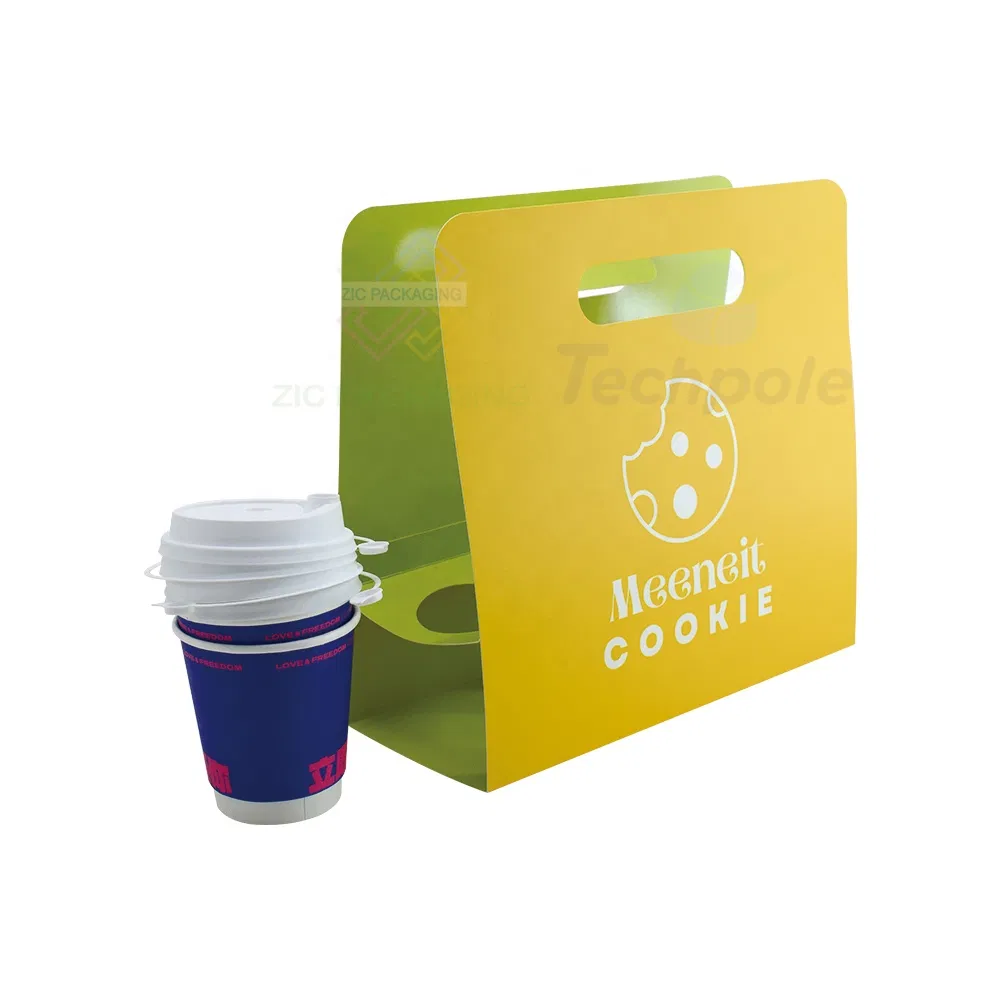
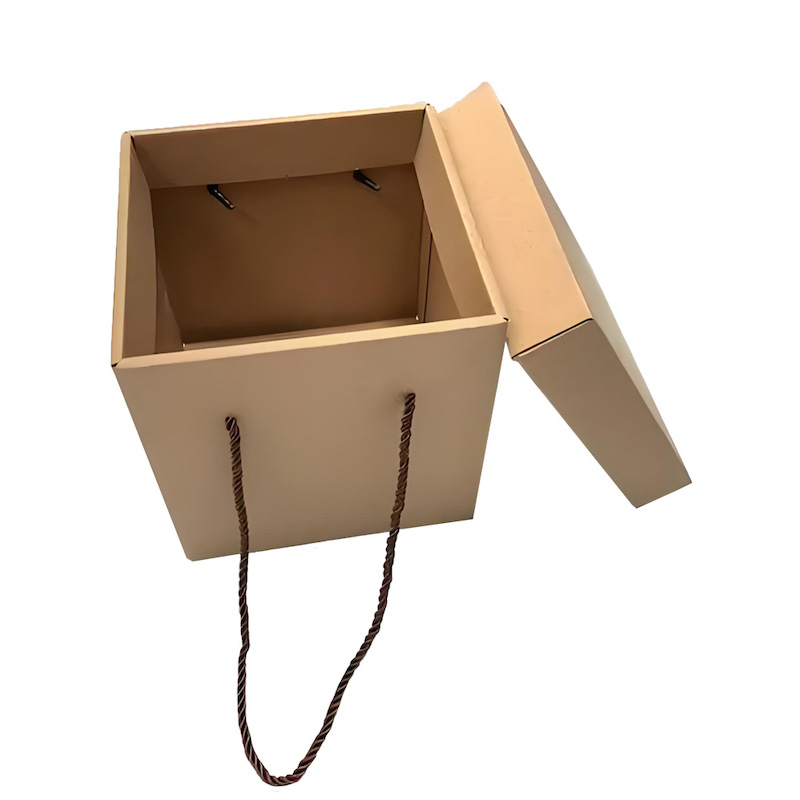
foldable cardboard boxes
5. Feeder Setup and Air Blast Control
The feeder section separates blanks using a combination of suction and air blast. If the air pressure is too low, double-feeds occur—two blanks enter simultaneously, jamming the narrow folding channels. If the pressure is too high, blanks flutter, misaligning the leading edge. For folding gift box blanks weighing 250–350 gsm, set the air knife pressure at 0.4–0.6 bar and the suction wheel vacuum at -0.3 to -0.5 bar. Additionally, ensure the feeder gate gap is precisely 1.5 times the board thickness. Perform a daily calibration using a dummy blank; observe the separation pattern for 20 consecutive feeds—any deviation beyond 2mm requires immediate adjustment.
6. Sensor Calibration and Fault Diagnostics
Modern folder-gluers rely on photoelectric and ultrasonic sensors to detect jams and misfeeds. However, over-sensitive sensors trigger false stops, while under-sensitive ones allow actual jams to escalate. Program a tolerance window that matches the blank’s dimensions: set the arrival time between consecutive sensors within ±5% of the theoretical cycle time. For folding corrugated boxes with varying flute heights (A, B, or E-flute), adjust sensor thresholds separately because the opacity and reflectivity differ. Furthermore, log jam events with timestamp and error codes; analyzing this data reveals recurring patterns—e.g., jams frequently occur at the pre-fold section after a splice joint. Use this intelligence to apply preventive splice-tape smoothing.
7. Operator Training and Standardized Procedures
Even the best-calibrated machine jams if operators load stacks unevenly or neglect regular cleaning. Develop a Standard Operating Procedure (SOP) that includes:
Fanning the stack to separate individual blanks before loading.
Removing any damaged or bent blanks from the hopper.
Performing a weekly rail lubrication schedule to reduce friction.
For folding packaging boxes made of recycled fiber, which generates more dust, increase the cleaning frequency of the optical sensors from daily to every 4 hours. Conduct hands-on drills where operators practice emergency jam clearance within 60 seconds—fast response minimizes downstream damage. Facilities with certified training programs report jam reduction rates of 30–35% over six months.
Professional OEM & ODM Packaging Partner
XIAMEN XINLIHONG PAPER CO.,LTD. is a professional color printing manufacturer, mainly engaged in paper packaging such as corrugated boxes、card boxes、lid and base boxes、instruction manual、 folding box、gift boxes、food packaging box、paper bags、envelope bags etc. Focusing on the development, design and production of paper packaging printing products as the core, it provides a full range of professional OEM & ODM packaging solutions for customers in the lighting, electronics, daily chemicals, food packaging and other industries.
