

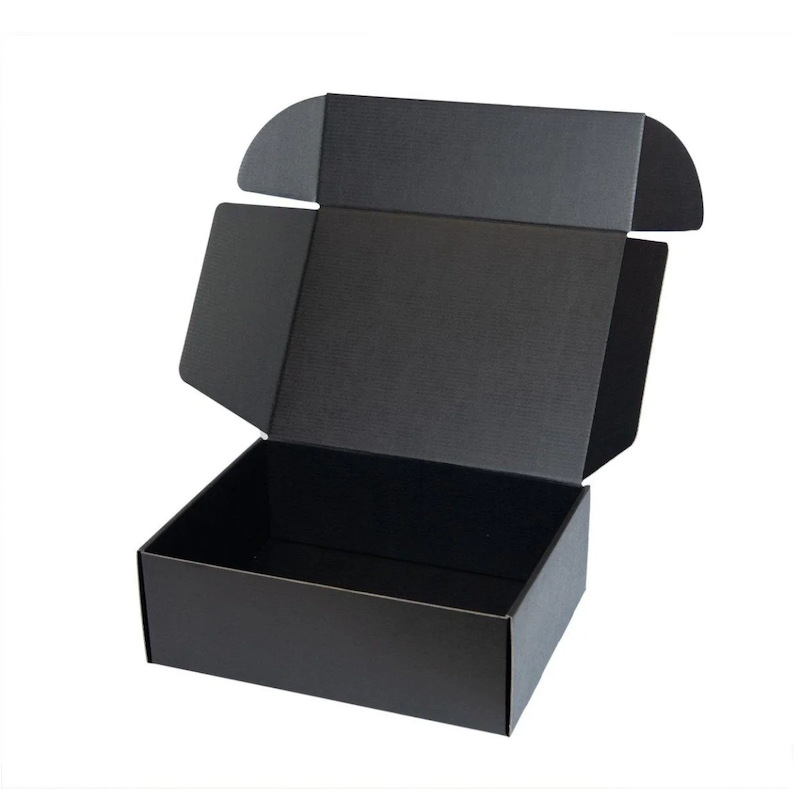

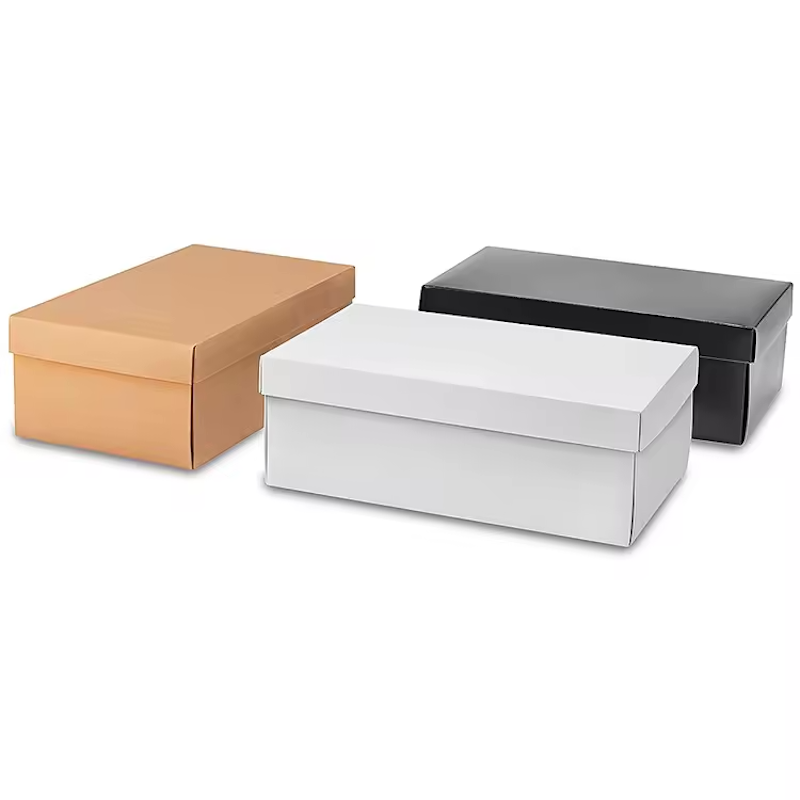
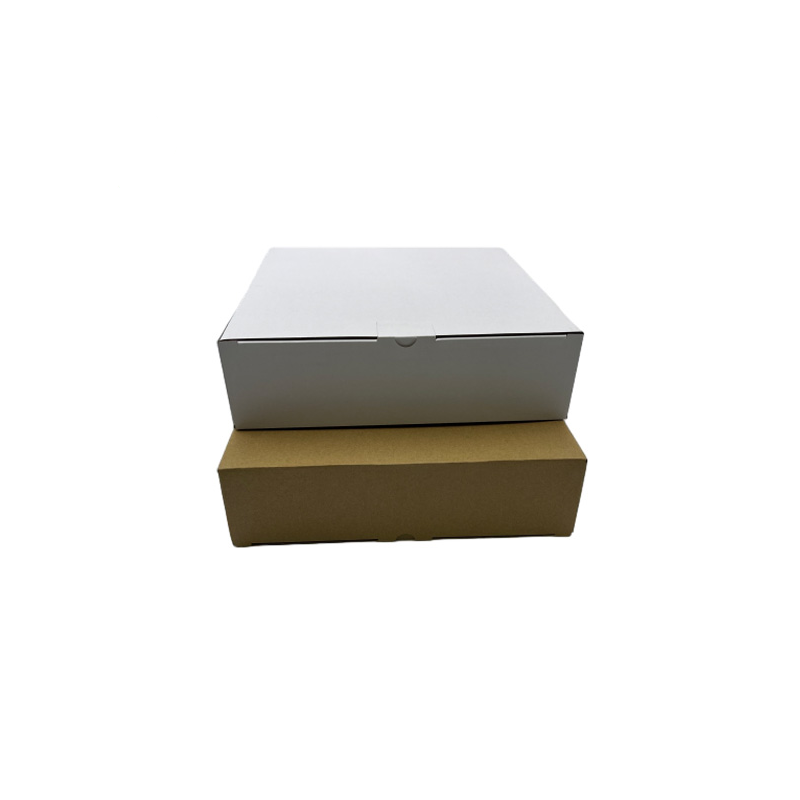
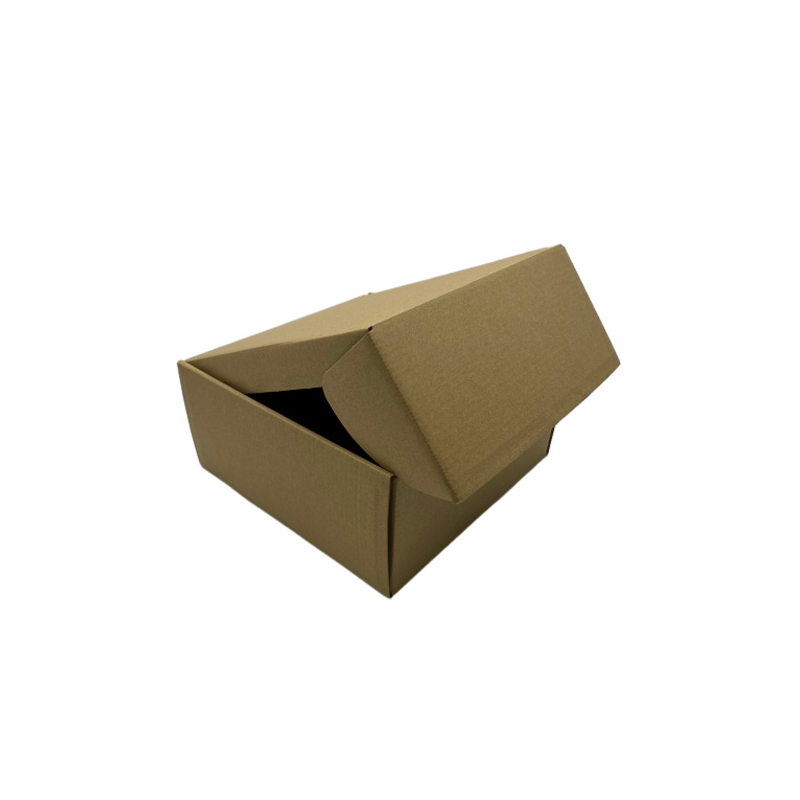
















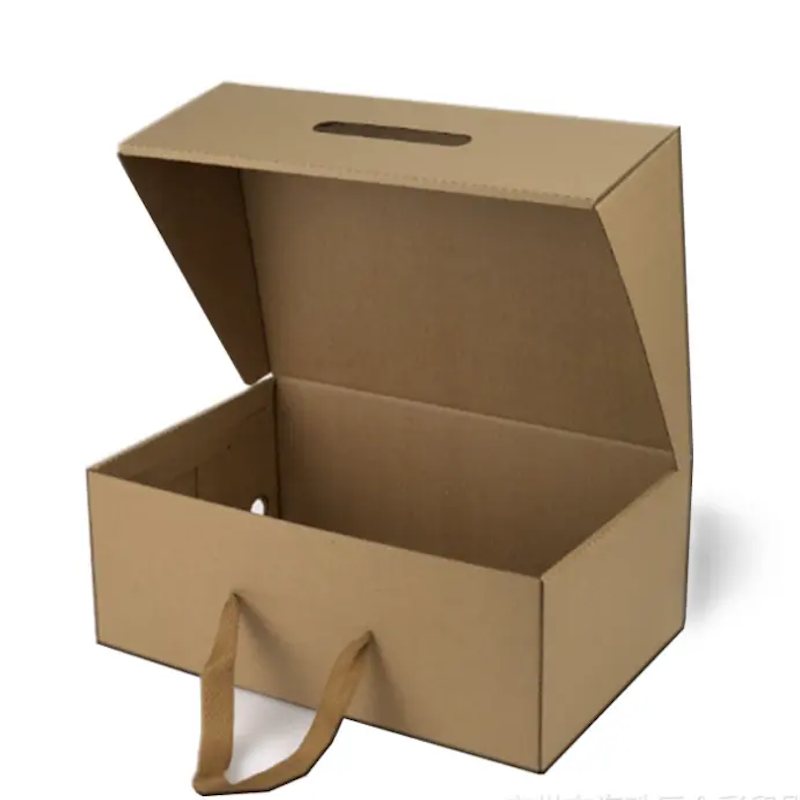



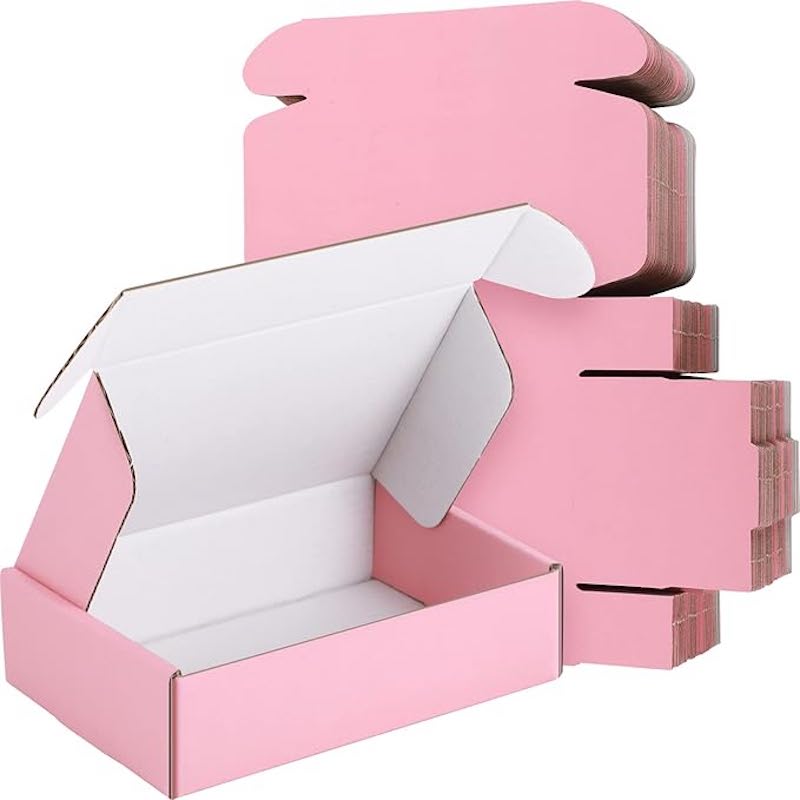
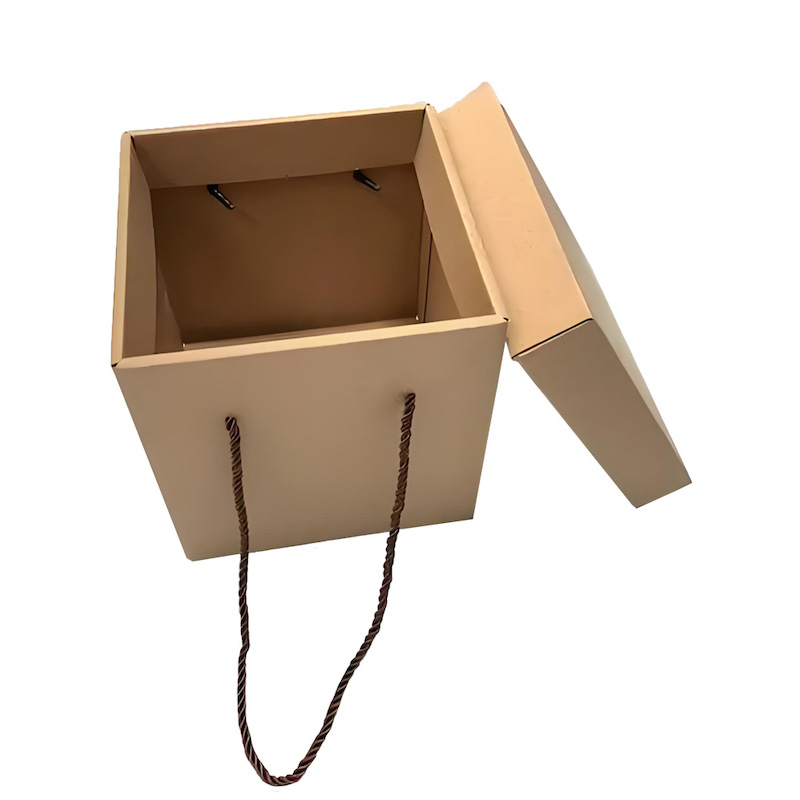
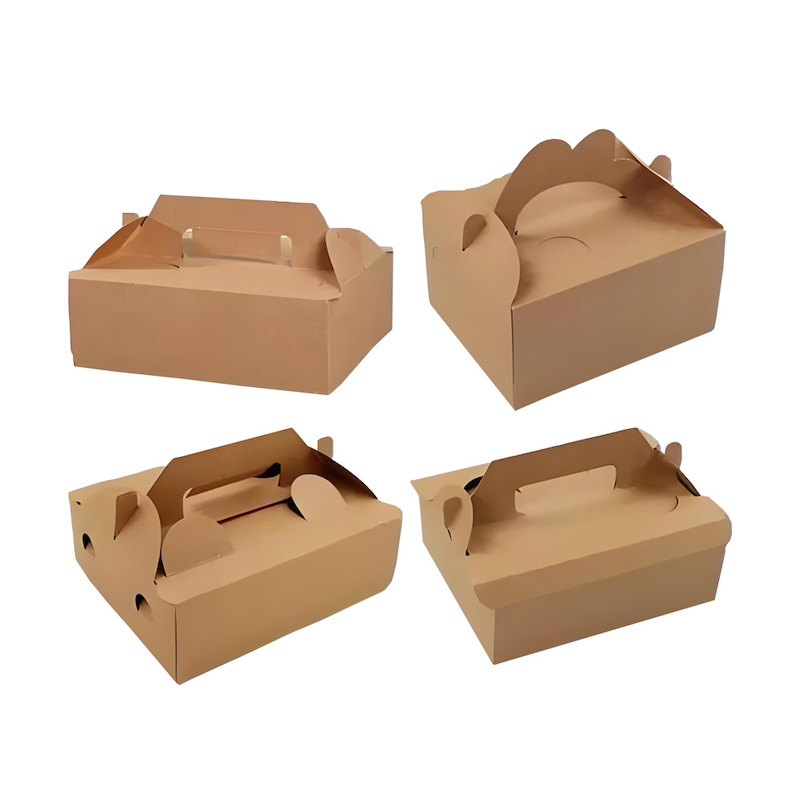
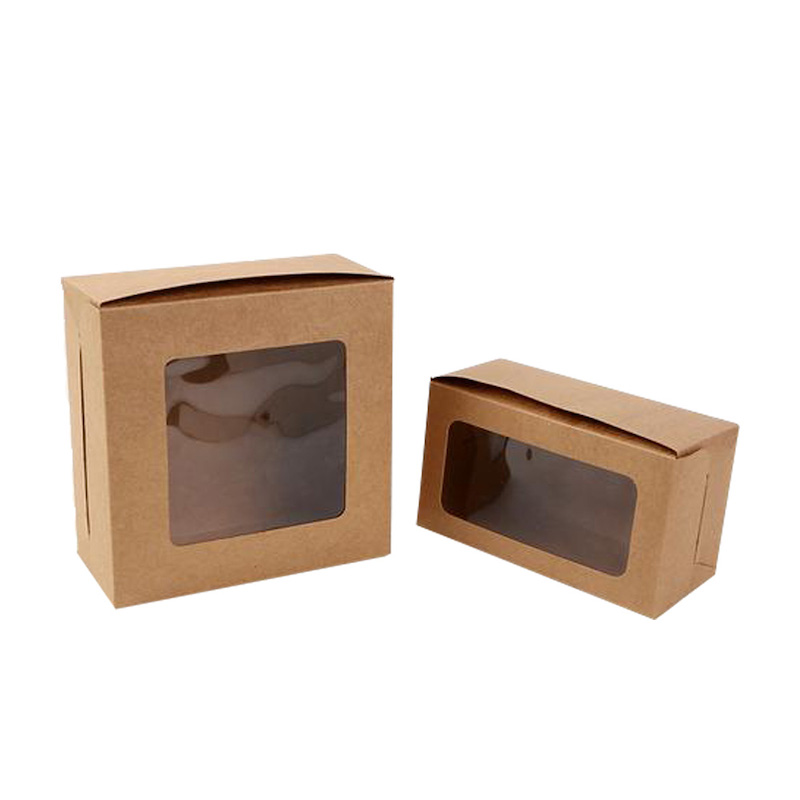
Tear strength is a critical mechanical property that determines a kraft paper box resistance to crack propagation during handling, strapping, and automated filling. Unlike tensile strength, which measures overall rupture, tear strength evaluates the force required to continue a slit once initiated. This parameter directly impacts package integrity in e-commerce and retail environments. Accurate measurement ensures that your paper box survives rough conveyor transfers without catastrophic failure. This guide details the standardized procedures, equipment, and data interpretation for determining the tear resistance of paper-based packaging materials.
1. The Elmendorf Test Method and Its Principle
The globally accepted standard for measuring tear strength is the Elmendorf tear test, defined under TAPPI T-414 and ISO 1974. This method uses a pendulum-type instrument that drops from a fixed angle, tearing the specimen through a pre-cut slit. The energy lost by the pendulum during the tear is directly proportional to the average tearing force. For a typical kraft paper box made of 200–300 gsm linerboard, the test yields values expressed in millinewtons (mN). The principle replicates real-world scenarios where a puncture or scoreline initiates a tear that propagates under load, making it highly relevant for quality control of corrugated boxes.
2. Sample Preparation and Conditioning
Proper specimen preparation is non-negotiable for reproducible results. Cut rectangular samples measuring 63mm × 50mm from the paper box panels, avoiding any creases, prints, or glue lines that would artificially strengthen or weaken the material. For corrugated boxes, separate the liner from the medium and test each component individually, as the flute structure contributes differently to overall tear resistance. Condition all samples at 23±1°C and 50±2% RH for at least 24 hours prior to testing—unconditioned cardboard shipping boxes can yield variability exceeding ±15% due to moisture-induced fiber softening.
3. Instrument Setup and Calibration
The Elmendorf tester must be precisely calibrated before each test session. Mount the pendulum and verify that the zero position aligns with the scale. Use a certified calibration weight (typically 100g) to check the friction-free movement of the pointer. For cardboard boxes with high basis weight, select the appropriate pendulum capacity—light-weight pendulums (0–1000mN) for single-wall boards, and heavy-weight ranges (1000–8000mN) for double-wall or triple-wall constructions. Ensure the clamping jaws are clean and free of debris, as any slippage during the tear will produce falsely elevated readings. Document the ambient temperature and humidity during testing, as these influence kraft paper box fiber behavior.
4. Conducting the Tear Test Procedure
Place the conditioned specimen securely in the pneumatic or manual clamps, with the pre-cut slit aligned exactly with the pendulum knife edge. Release the pendulum smoothly—do not push or impede its swing. The pointer will indicate the tearing force on a graduated scale. Perform a minimum of five repetitions per sample lot, tearing both the machine direction (MD) and cross direction (CD) separately, because paper box fibers orient differently during manufacturing. For corrugated boxes, tear strength in the MD is typically 20–30% higher than in the CD due to fiber alignment along the paper machine. Record each value and calculate the arithmetic mean, discarding any outliers exceeding ±10% from the median.
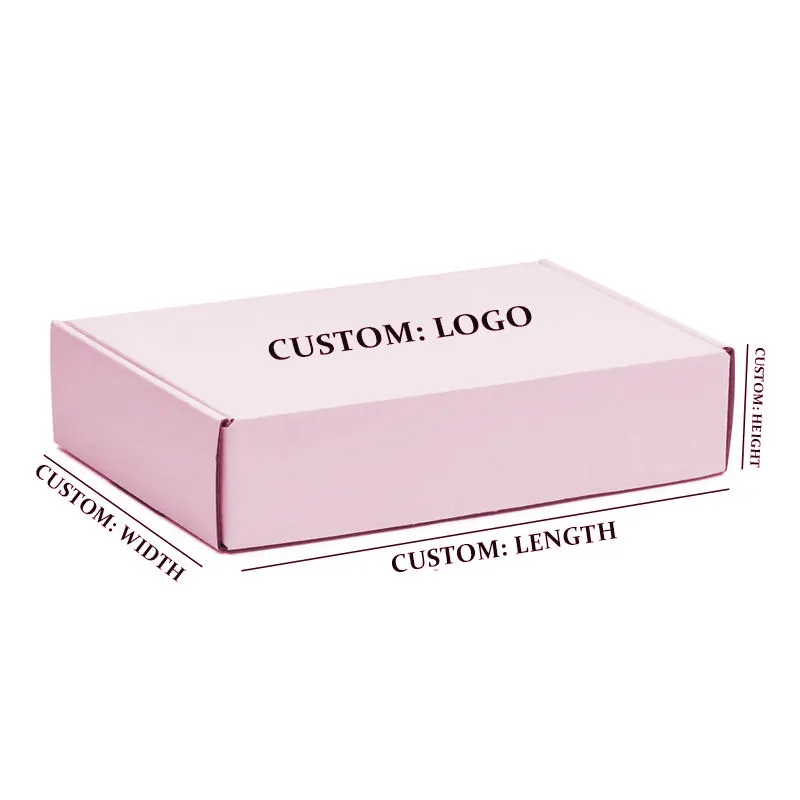
cardboard boxes

kraft paper box
cardboard shipping boxes
cardboard boxes
5. Interpreting Results and Acceptable Limits
Typical tear strength values vary by material grade. A standard 200 gsm kraft liner used in cardboard shipping boxes exhibits MD tear strength of 450–600 mN and CD strength of 350–480 mN. For a robust kraft paper box designed for heavy tools or hardware, minimum acceptance criteria should be set at 500 mN (MD) and 400 mN (CD) to ensure reliable performance during drop impacts. If your results fall below these thresholds, consider upgrading to a higher basis weight, adding wet-strength resins, or specifying a different pulp blend. Comparing your measured values against supplier datasheets provides a quality benchmark for incoming material inspection.
6. Common Pitfalls and Error Sources
Several factors can distort tear strength measurements. Over-tightening the clamps can pre-stress the specimen, artificially lowering the tear force. Conversely, loose clamping allows fiber pull-out rather than clean tearing, inflating the result. Additionally, testing samples with visible wrinkles, folds, or moisture stains must be avoided—these defects act as stress concentrators. For cardboard boxes that have been stored for extended periods, recondition the samples because aging reduces fiber ductility. Always perform a verification run with a reference material (supplied by the instrument manufacturer) to confirm tester accuracy before each batch of paper box samples.
7. Correlation with Real-World Performance
While the Elmendorf test provides a laboratory value, its practical relevance lies in correlating mN readings with field failure rates. A kraft paper box measuring 600 mN in the CD typically withstands a 1.2m drop onto a concrete corner without sidewall tearing, based on ISTA drop test correlations. Conversely, values below 350 mN often result in seam splits during pallet stretch-wrapping. For corrugated boxes used in automated packing lines, a minimum tear threshold of 500 mN prevents catastrophic ruptures when cartons are pushed by ramps or deflectors. Establish an internal specification that translates lab tear data into acceptable handling performance for your specific supply chain.
8. Alternative Methods and Supplementary Tests
For high-precision research or failure analysis, consider the trouser tear method (ISO 6383-1), which uses a tensile tester to tear a forked specimen at a constant crosshead speed. This method provides a force-elongation curve, revealing whether the paper box material tears brittlely or ductilely. Another useful supplement is the puncture resistance test (ISO 3036), which measures the energy needed to penetrate the board—this complements tear data by evaluating initiation resistance. Combining these tests offers a holistic profile of cardboard shipping boxes toughness, especially for heavy-gauge or laminated cardboard boxes.
Professional OEM & ODM Packaging Partner
XIAMEN XINLIHONG PAPER CO.,LTD. is a professional color printing manufacturer, mainly engaged in paper packaging such as corrugated boxes、card boxes、lid and base boxes、instruction manual、 folding box、gift boxes、food packaging box、paper bags、envelope bags etc. Focusing on the development, design and production of paper packaging printing products as the core, it provides a full range of professional OEM & ODM packaging solutions for customers in the lighting, electronics, daily chemicals, food packaging and other industries.
