

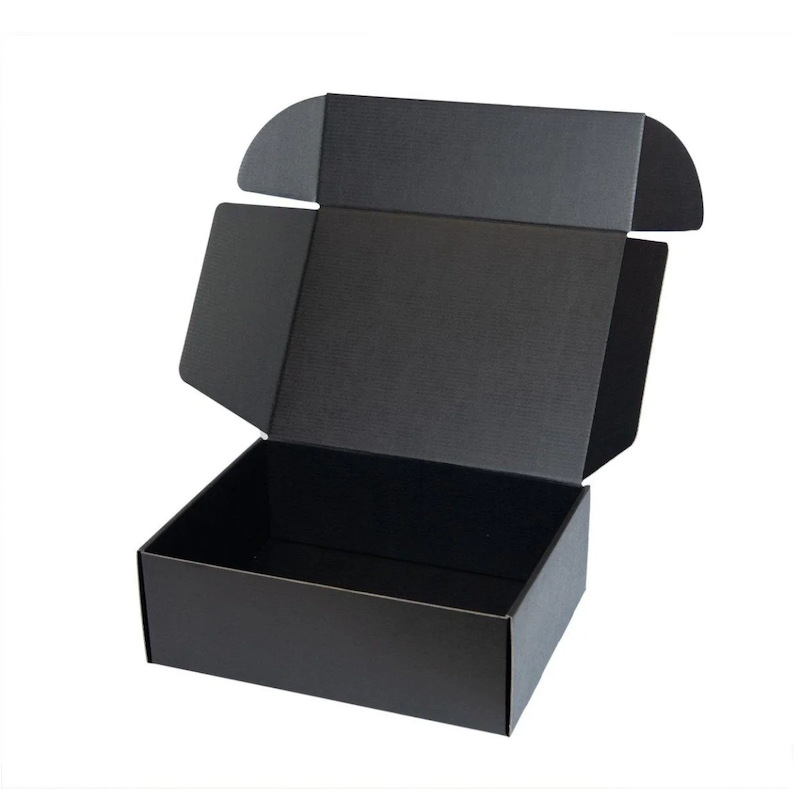

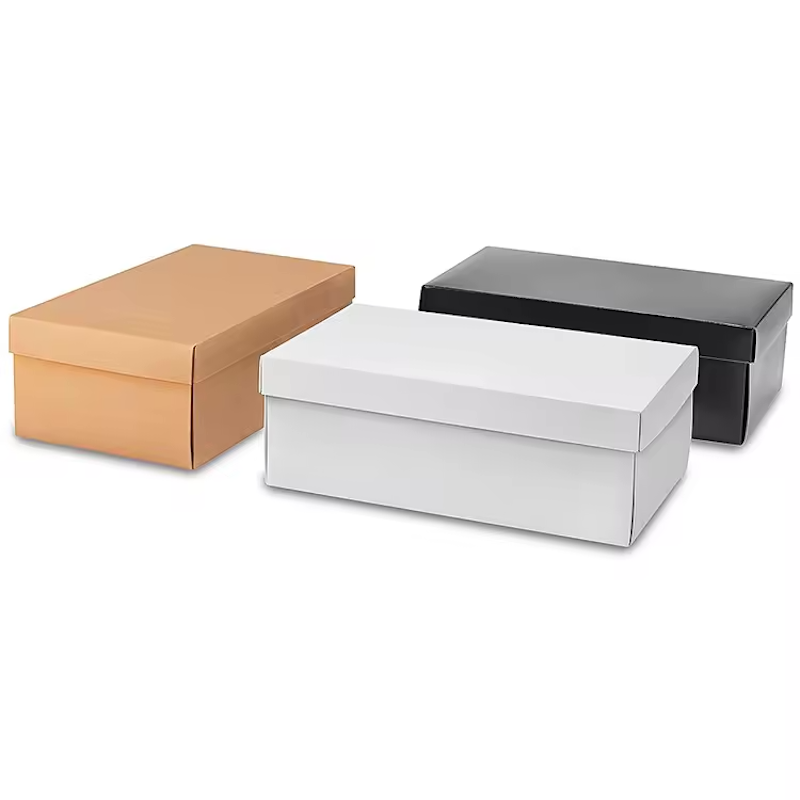
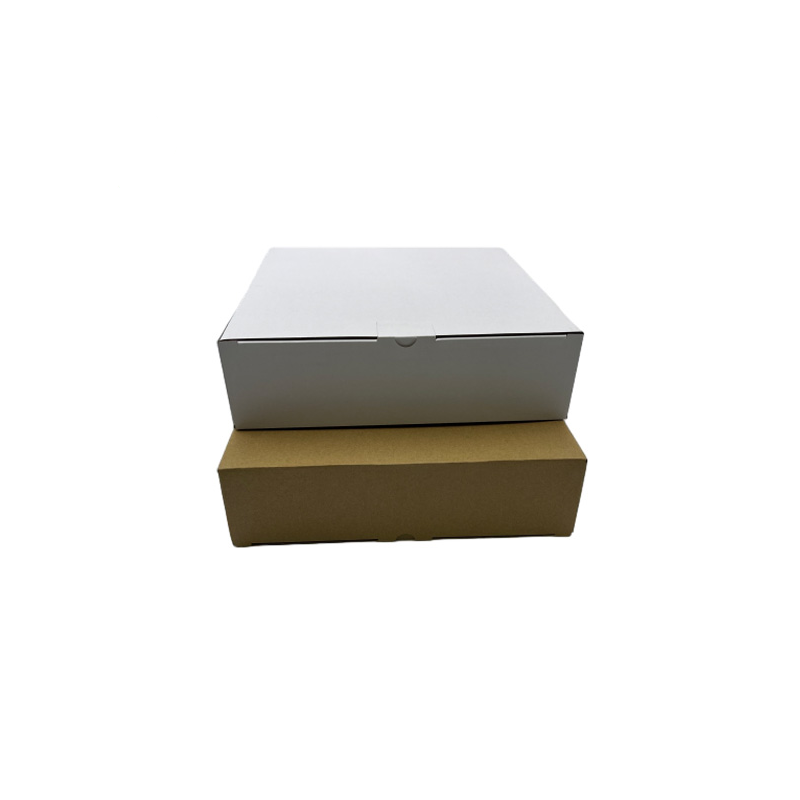
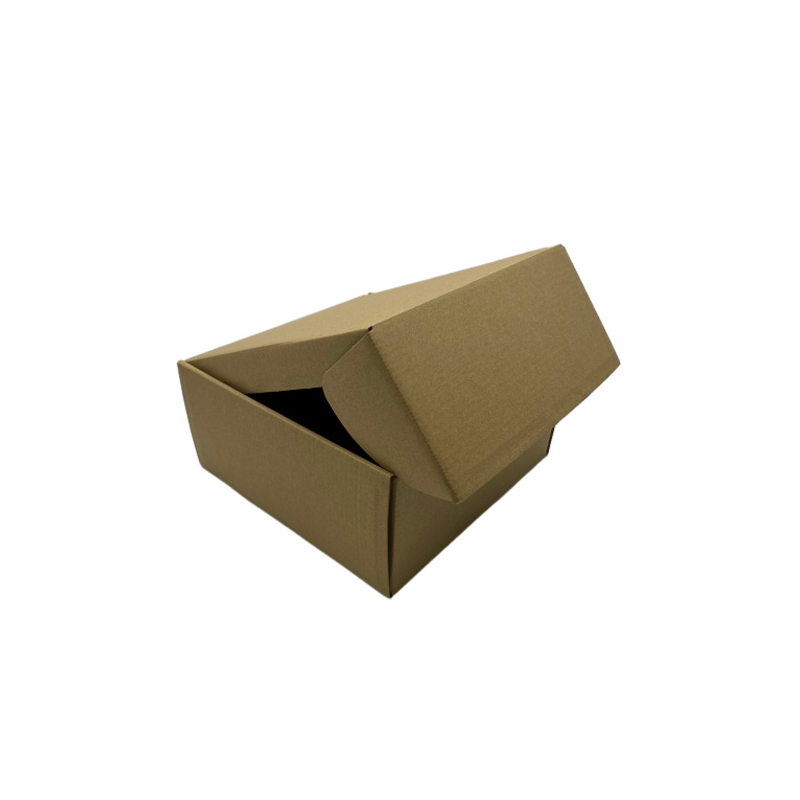
In the precision-driven world of electronics packaging, a silent and invisible threat can render a sophisticated device useless before it even reaches the user: electrostatic discharge (ESD). Standard cardboard folding boxes offer no defense against this hazard. Therefore, designing a specialized foldable packaging box for electronics requires integrating materials and engineering solutions that actively control static electricity, ensuring components are safely transported from the assembly line to the end consumer. The core design objective is to create a structure that provides reliable physical protection while incorporating static-dissipative properties, typically achieving a surface resistance of less than 10⁹ ohms per square (Ω/sq) to safely bleed away charges without generating sparks.
The foundation of an ESD-safe foldable shipping box lies in its material composition. Standard corrugated cardboard is an insulator, prone to triboelectric charging (static buildup from friction). To transform it into a protective solution, manufacturers integrate conductive elements. The most common and effective method is the use of corrugated board with an intrinsic static-dissipative layer or coating. This can be achieved through several advanced material technologies:
Carbon-Loaded Corrugated Medium: The fluting material (the wavy middle layer) is manufactured with embedded carbon particles or carbon fibers. This creates a continuous conductive matrix throughout the board's core, allowing any static charge generated on the surface to be dissipated through the entire structure.
Conductive Polymer Coatings: A more precise approach involves applying a coating of permanent, non-migrating static-dissipative polymer to the interior surfaces of the collapsible gift box or shipping carton. This coating is transparent, does not rub off, and is engineered to maintain its resistivity across a wide range of humidity levels, a critical factor for consistency.
Metalized Film Laminates: For the highest level of protection, especially for highly sensitive components, a layer of metalized film (often aluminum) can be laminated to the interior. This acts as a Faraday cage, shielding the contents from external electrostatic fields.

foldable packaging box

cardboard folding boxes

foldable gift boxes

collapsible gift box
Regardless of the method, the target electrical performance is a surface resistivity in the range of 10⁶ to 10⁹ Ω/sq. This range is crucial: it is low enough to prevent dangerous charge accumulation (which occurs above 10¹¹ Ω/sq) but high enough to avoid a rapid, damaging discharge. The entire foldable gift boxes structure, including flaps and seams, must maintain this property to prevent charge from being trapped in isolated areas. This is why the conductive element is often integrated into the board itself rather than applied as a spot treatment.
Beyond the base material, the structural design of the cardboard folding boxes must complement the ESD-safe properties. Sharp corners and abrasive interior surfaces can generate static through movement and friction. Therefore, designs often incorporate:
Smooth, Sealed Interiors: The use of coated liners or laminated interiors reduces surface friction against the product.
Integrated Corrugated or Foam Inserts: Custom-molded, anti-static corrugated or polyethylene foam inserts are critical. These inserts are made from pink or black polyethylene foam, which is inherently static-dissipative. They cradle the device, immobilizing it to prevent movement-induced charging (tribocharging) and providing cushioning. The insert's resistivity must match or exceed that of the box.
Secure, Non-Abrasive Closure Systems: The closure design, whether a tuck-flap, locking tab, or adhesive seal, must operate smoothly without creating friction that could generate a charge.
The functional design must also consider the full logistics journey. An ESD-safe foldable shipping box must maintain its protective properties under varying warehouse humidity and through potential rough handling. The anti-static characteristics must be permanent and not degrade over time. Furthermore, for consumer-facing products like high-end gadgets, the box often serves a dual purpose: a robust shipping container and an elegant collapsible gift box for unboxing. This requires the conductive layer or coating to be applied to the interior only, preserving the exterior for high-quality, brand-enhancing printing and finishes.
Designing a foldable packaging box for anti-static protection is a multidisciplinary exercise in materials science and structural engineering. It moves far beyond simple containment to become an active, protective system. By integrating conductive mediums or coatings into the corrugated board to achieve a controlled surface resistivity below 10⁹ Ω/sq, and by complementing this with thoughtful design features like smooth interiors and proper conductive cushioning, manufacturers create a safe environment for sensitive electronics. Whether as a durable foldable shipping box for global logistics or as a premium foldable gift boxes for a new smartphone, this specialized packaging is an indispensable component in the modern electronics value chain, silently ensuring that innovation arrives intact and fully functional.
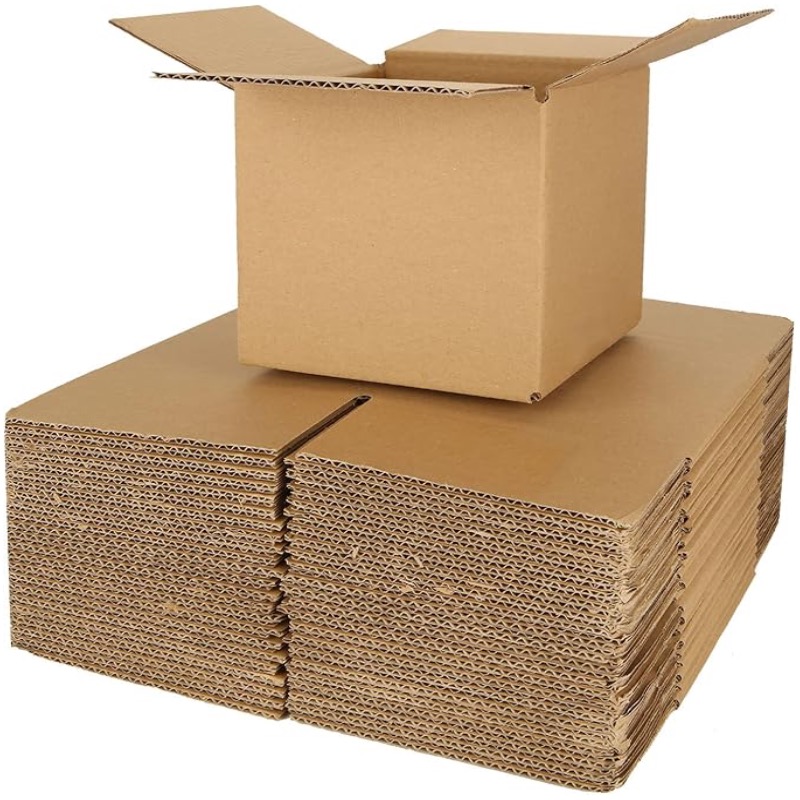
foldable shipping box

foldable gift boxes
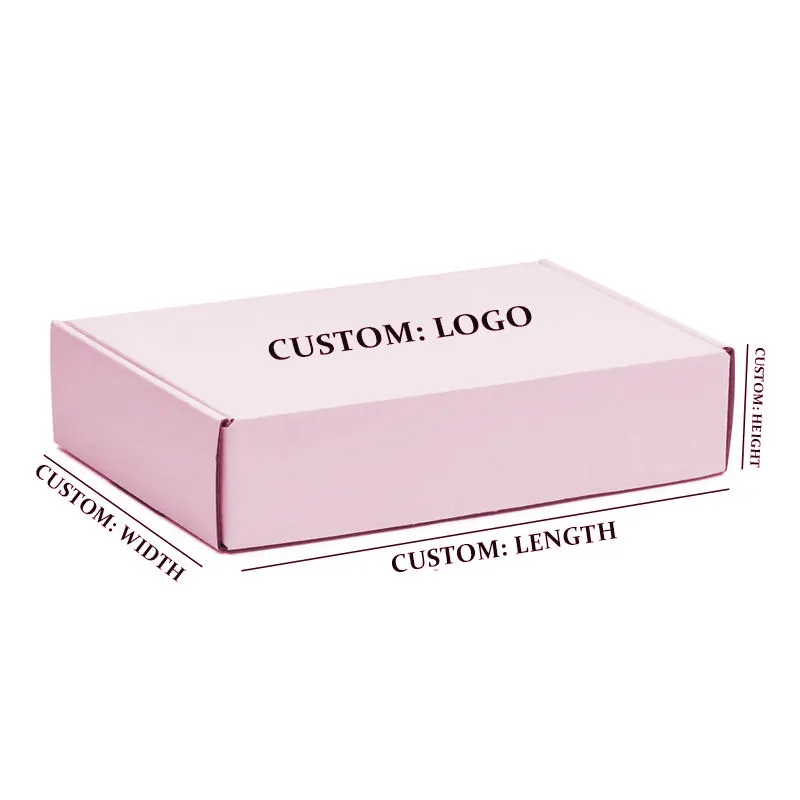
collapsible gift box
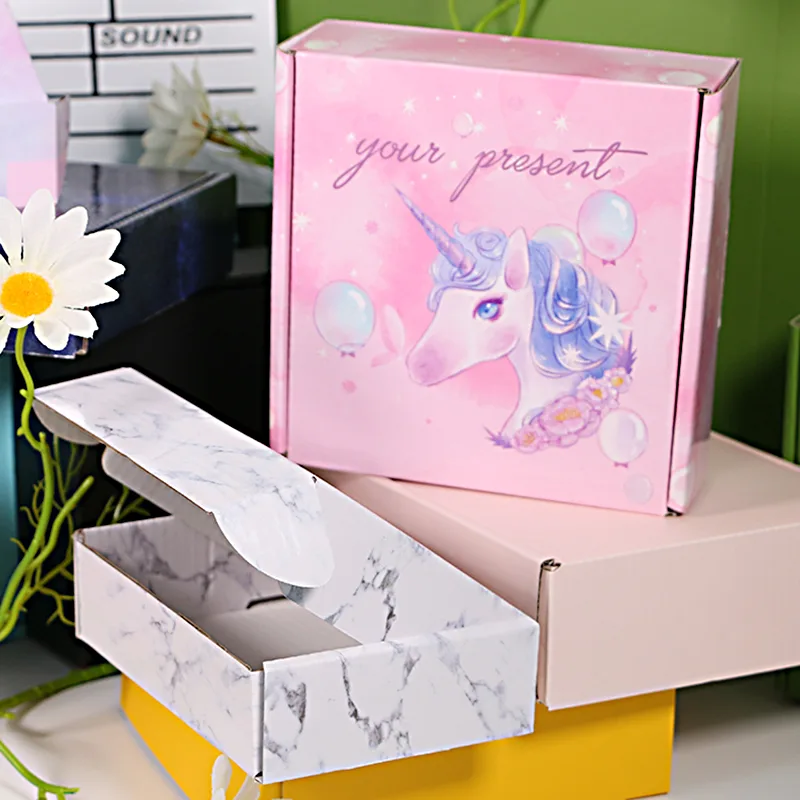
foldable packaging box
XIAMEN XIN LI HONG PAPER CO.,LTD As an experienced manufacturer, we are able to provide customers with a one-stop solution from design to production. We provide professional printing and packaging OEM/ODM services, aiming to meet customers' personalized needs for brands and products.
